5 Key Questions to Ask Before Starting Your Custom Clothing Line
Key Takeaways
- Five questions decide most of the risk in a first custom clothing line: MOQ, sampling, lead times, private label services and quality control.
- Ask how the answer protects your budget and your launch date, not just whether the factory can do it.
- An approved sample becomes the standard the whole bulk order is measured against, so never skip sampling.
- INFULLSAIL is a Dongguan-based OEM and ODM clothing manufacturer with more than 20 years of apparel experience, working with a standard MOQ of 100 pieces per style, per color.
Launching a custom clothing line is exciting, but the difference between a smooth first season and an expensive lesson usually comes down to a handful of questions asked before production starts. Most of them are simple, and most new brands ask them too late — after a deposit is paid, after the launch date is announced, or after the first bulk order has already been cut.
This guide walks through the five questions every brand should ask a custom clothing manufacturer, what a good answer sounds like, and the warning signs that mean you should keep looking. The same questions apply whether you are ordering custom tops, oversized hoodies or a full vintage-washed collection.
1. What Is Your Minimum Order Quantity?
Why buyers ask
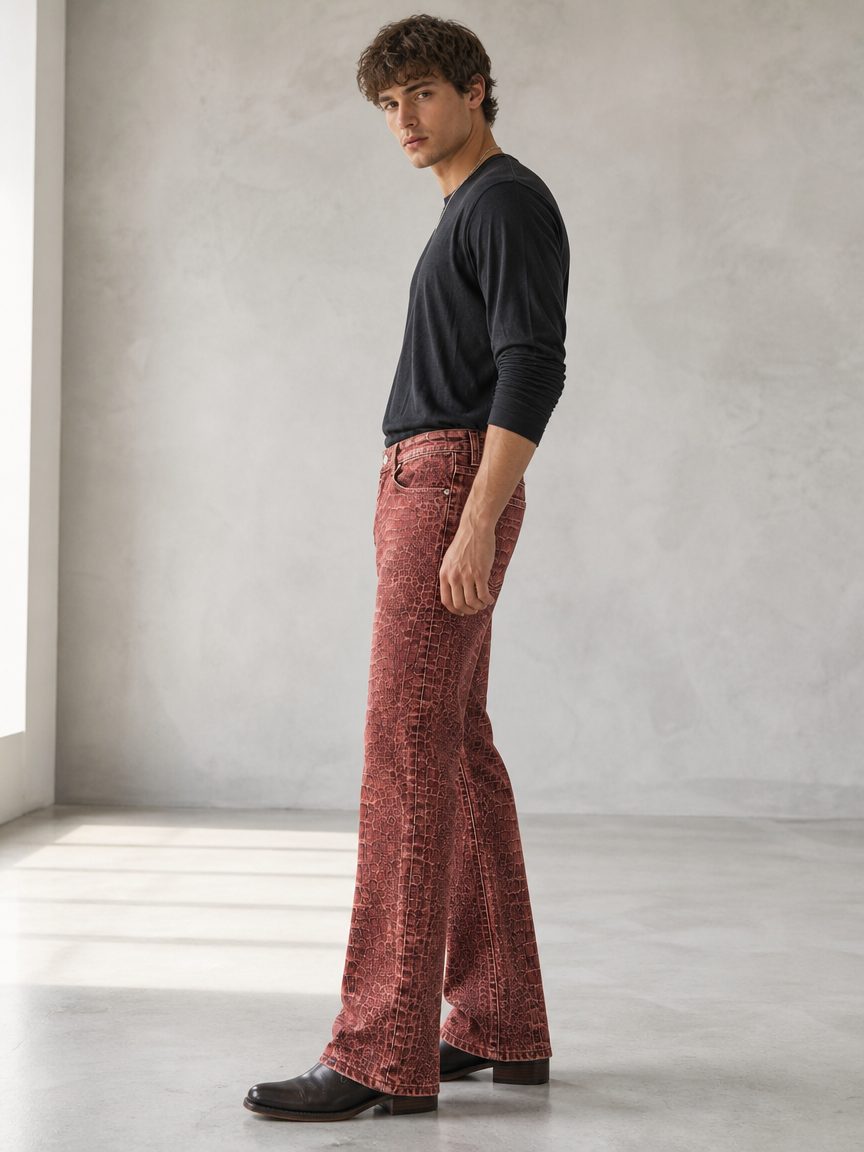
MOQ decides how much cash you tie up before you know what sells. A factory that only runs 1,000 pieces per style forces a young brand to bet its whole budget on one design and then sit on stock if that design underperforms. For a first collection, the minimum order quantity is often the single biggest factor in whether a launch is financially survivable.
How a good supplier answers
A professional manufacturer states the minimum clearly and explains how it is counted. At INFULLSAIL the standard is 100 pieces per style, per color, sizes can usually be mixed within that total, and smaller trial orders are assessed case by case depending on the style and the craftsmanship involved. Just as important, a good supplier tells you what the minimum means for your specific design instead of leaving you to work it out.
Red flags
- The MOQ only appears after you have shared your designs and quantities.
- "We can do any quantity" with no explanation of how small runs are priced.
- Pressure to order your whole size range in the first conversation.
2. Can You Produce a Sample Before Bulk Production?
Why buyers ask
Sampling is the cheapest insurance in apparel manufacturing. A sample lets you check the fit, the fabric hand feel, the color and the workmanship on a real garment before hundreds of pieces are made. Without it, every mistake moves straight into the bulk order, where it is expensive to fix and impossible to hide.
How a good supplier answers
A serious factory expects sampling and charges for it, because pattern making and material sourcing for a single piece carry real cost. At INFULLSAIL sampling fees are quoted clearly in advance, never buried in a later invoice, and samples are typically completed within one to two weeks. A good supplier also explains how many sample rounds your design is likely to need.
Red flags
- Sampling described as unnecessary, or skipped to save time.
- A sample fee that is not quoted until after the sample is made.
- A sample that arrives with the wrong fabric or trims because the factory did not confirm specifications first.
3. How Long Will Sampling and Production Take?
Why buyers ask
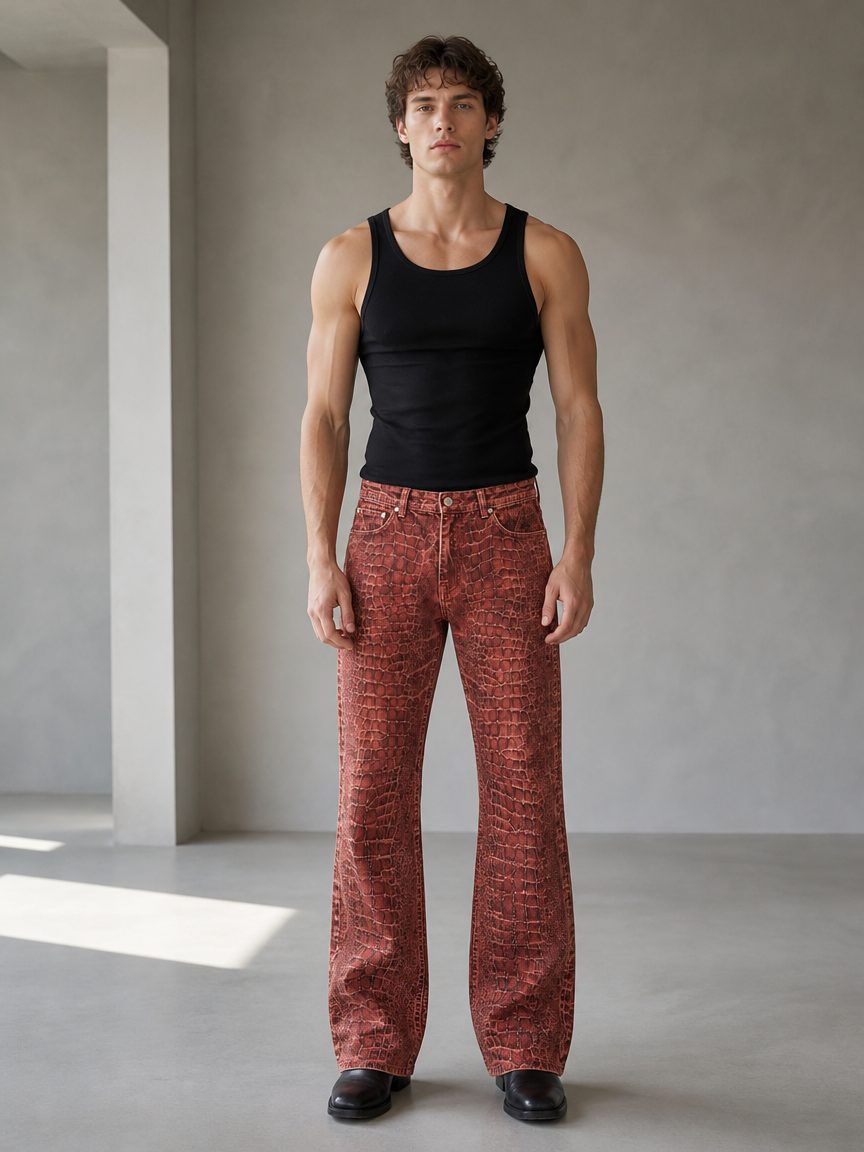
Lead times drive your launch calendar, your marketing and your cash flow. If a factory quotes six weeks of production and delivers in eleven, you miss the season your product was designed for. Realistic timelines matter more than fast ones, because a date you can plan around is worth more than a date that slips.
How a good supplier answers
A reliable partner gives you separate timelines for sampling and bulk, then explains what can move them. As a working reference, INFULLSAIL completes samples in about one to two weeks, and bulk production generally runs three to four weeks after sample approval, depending on the style and order size. A good supplier also tells you what happens if a fabric is delayed, so your calendar can absorb it.
Red flags
- A production timeline with no mention of the sample stage.
- Vague answers such as "it depends" with no breakdown.
- Promises that are far shorter than the industry norm, with no plan behind them.
4. Do You Offer Private Label and Custom Branding?
Why buyers ask
Building a brand means more than printing a logo on a blank. Buyers remember the details: a woven neck label that matches the garment, a hang tag that tells the story, packaging that feels considered. Private label services are how a basic garment becomes your product rather than a generic one.
How a good supplier answers
A capable manufacturer lists exactly what it can customise — woven labels, neck labels, hang tags, embroidery, printed packaging — and tells you which options suit your garment and budget. INFULLSAIL offers OEM and ODM services that cover private label work alongside decoration such as screen printing, DTG, puff print and embroidery.
Red flags
- Custom labels and tags offered only as an afterthought, or not at all.
- No samples of labels or packaging available to review.
- Branding quoted separately for every small element without a clear overview.
5. How Do You Control Quality?
Why buyers ask
One inconsistent batch can undo months of brand building. Buyers expect the second order to match the first, and they notice when stitching, print placement or color drifts. Quality control is the system that keeps a good sample from turning into a disappointing shipment.
How a good supplier answers
Quality control should run through production, not sit at the end of it. A serious manufacturer explains its checkpoints: inspecting fabrics and trims before cutting, checking garments during sewing and decoration, and reviewing finished pieces against the approved sample before packing. At INFULLSAIL those checks are built into every order, so the garments you receive match the standard you approved.
Red flags
- "We check everything at the end" as the whole quality policy.
- No process for handling defects, or no answer about who pays for them.
- Unwillingness to compare finished goods against the approved sample.
A Practical Checklist Before You Commit
Use this list when you compare suppliers, and score each candidate on the same points so the decision is based on evidence rather than first impressions.
- MOQ stated per style and per color, with sizes mixable inside the total.
- Sampling offered and priced before the first sample is made.
- Separate timelines for sample and bulk, in writing.
- Private label options listed with examples you can review.
- Quality checkpoints explained stage by stage.
- A clear quotation that itemises production, materials, sampling, decoration and shipping.
- Responsive replies to your questions during quoting — a good signal for production.
You can read more about how these stages fit together on our manufacturing and production page and in our notes on fabrics and processes, or look at the custom tops we produce for brands.
Frequently Asked Questions
What is a realistic MOQ for a first custom clothing line?
At INFULLSAIL the standard minimum is 100 pieces per style, per color, with sizes usually mixable inside that total. Smaller trial orders can be discussed and are assessed case by case based on the style and craftsmanship.
Do I have to pay for samples?
Yes. Sampling is charged because pattern making and material sourcing for a single garment carry real cost. The fee is quoted clearly in advance, never added later, and samples are typically completed within one to two weeks.
How long before my order ships?
Samples usually take one to two weeks. Bulk production generally runs three to four weeks after you approve the sample, depending on the style and order size. Shipping is arranged worldwide by sea, air or land.
Can you make my garment entirely to my own design?
Yes. We work from tech packs, sketches or reference garments and support both OEM and ODM projects, covering pattern development, fabric sourcing, decoration and private label.
How do I know the bulk order will match my sample?
The approved sample becomes the standard for the order. We inspect materials before cutting, check garments during production and review finished pieces against that sample before packing.
Ready to Start Your Custom Clothing Line?
Send INFULLSAIL your design, reference image or tech pack. Our team will review the construction, fabric and quantity requirements before preparing a tailored quotation with a clear sampling schedule. Request a Custom Quote.
Frequently Asked Questions
What is the MOQ for custom apparel?
Our standard MOQ is 100 pieces per style, per color, and it applies to each individual style you order rather than the total across a collection. Sizes can be mixed within one colorway to reach the minimum, which makes a first production run practical for new brands. Different colours are treated as separate orders, because each colour involves separate fabric or dye lots, cutting and setup. For brands launching a first collection, that means you can start with one or two styles, prove the fit and the fabric with real customers, and expand the range once the data supports it. We confirm the minimum for each style in the written quotation.
Can I start with a small trial order before bulk production?
Yes. With a minimum of 100 pieces per style, per color you can run a focused trial order before committing to larger volumes. This is the approach we usually recommend for a new season: pick one or two core styles, approve the sample, and test how they perform with your customers before scaling. Once a style sells, reorders follow the same minimum, which keeps restocking predictable. Keeping the first run simple, with fewer styles, colours and decoration placements, means faster production and a clearer read on demand. You can extend the range in the next order with confidence.
How is the unit price calculated for different order volumes?
Unit price depends on fabric and weight, construction and fit complexity, decoration such as printing, embroidery or washing, labels and packaging, and the total quantity you order. Fixed elements including pattern development, machine setup and finishing preparation are spread across the number of pieces, so larger volumes normally bring a lower unit price. Because every project uses different materials and processes, we prepare an itemized quotation rather than publishing fixed price tables. Send your design and two or three target quantities and we will show how the unit price changes across those levels so you can plan your budget realistically.
What is the difference between sample and bulk pricing?
Samples are one-off development pieces, so their unit cost is higher than bulk production. A sample involves pattern development, decoration or wash setup and a small run, while bulk pricing spreads those costs across the full order quantity. We quote the sampling fee separately and confirm it before development starts, and the number of included revision rounds is confirmed in the sampling quotation. Once you approve the sample, we quote the bulk unit price for your quantity. If your bulk order qualifies in size, the sample fee can be credited after the bulk order is placed, with the terms confirmed in your quotation.
Have another question? Request a Custom Quote