Acid Wash vs Enzyme Wash: A Guide for Streetwear Brands
Acid Wash vs Enzyme Wash: A Guide for Streetwear Brands
Key Takeaways
- Acid wash and enzyme wash sit at opposite ends of the vintage spectrum: acid wash creates a dramatic, high-contrast marble effect, while enzyme wash produces a soft, even, lived-in fade.
- Fabric choice decides which wash is safe and which finish you can actually achieve, so match the wash to the garment before you fall in love with a sample photo.
- A wash sample is not optional for washed garments: it is the only reliable way to check hand feel, color depth and shrinkage before bulk production.
- INFULLSAIL is a Dongguan-based OEM and ODM clothing manufacturer with more than 20 years of apparel experience, supporting garment washing development for streetwear programs at an MOQ of 100 pieces per style, per color.
When a streetwear brand asks a factory for a "vintage wash," the answer is rarely one technique. Acid wash and enzyme wash are two of the most common garment finishes in the market, and they produce completely different results — different looks, different hand feels, different fabric requirements and different costs. Choosing the wrong one means reworking samples, missing deadlines or launching a product that does not match your artwork. This guide explains what each wash actually does, how they compare side by side, and how to brief your manufacturer so the first sample is close to the target.
What Is Acid Wash?
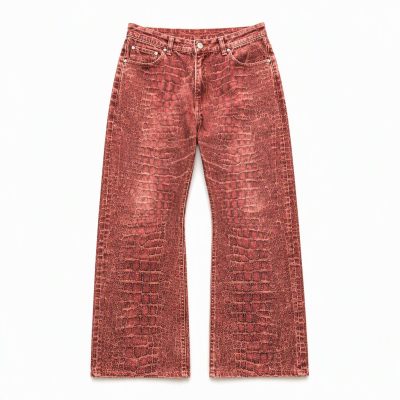
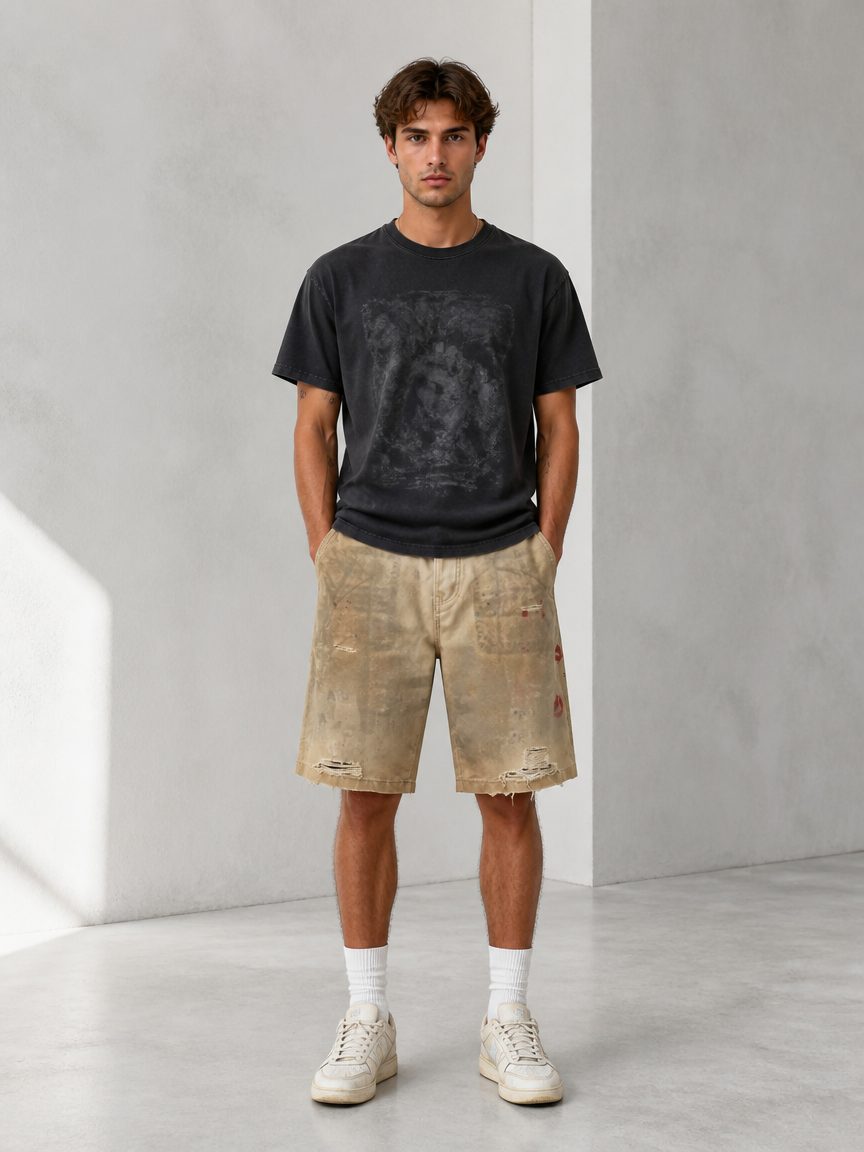
Acid wash is the high-impact end of garment washing. In the classic process, pumice stones are soaked in a chlorine-based solution and tumbled with the garments so the chemical hits the fabric unevenly, stripping color in irregular patches. The result is a dramatic, high-contrast, marbled or mottled surface — the look most people picture when they hear "acid wash denim" from the 1980s, and a staple of rock, grunge and statement streetwear today.
Acid wash is prized for character, not subtlety. No two garments come out exactly alike, which is part of the appeal for limited drops, but it is also why consistency across a whole order needs careful process control. The technique is aggressive by nature: it is best suited to sturdy fabrics such as denim and heavyweight cotton, and it can weaken or distort delicate knits, thin materials and fabrics with high elastane content. If your design uses lighter or stretch fabrics, an acid wash may not be viable — a good manufacturer will tell you this before quoting rather than after sampling.
Because the effect is strong and uneven, acid wash tends to need more processing care and water handling than gentler washes. Treat it as a finish that defines the product, not an afterthought: the artwork, trims and even thread color all need to be chosen with the washed result in mind.
What Is Enzyme Wash?
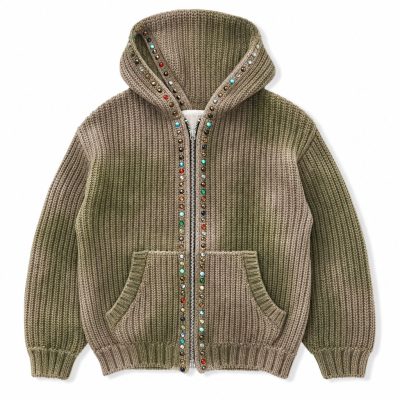
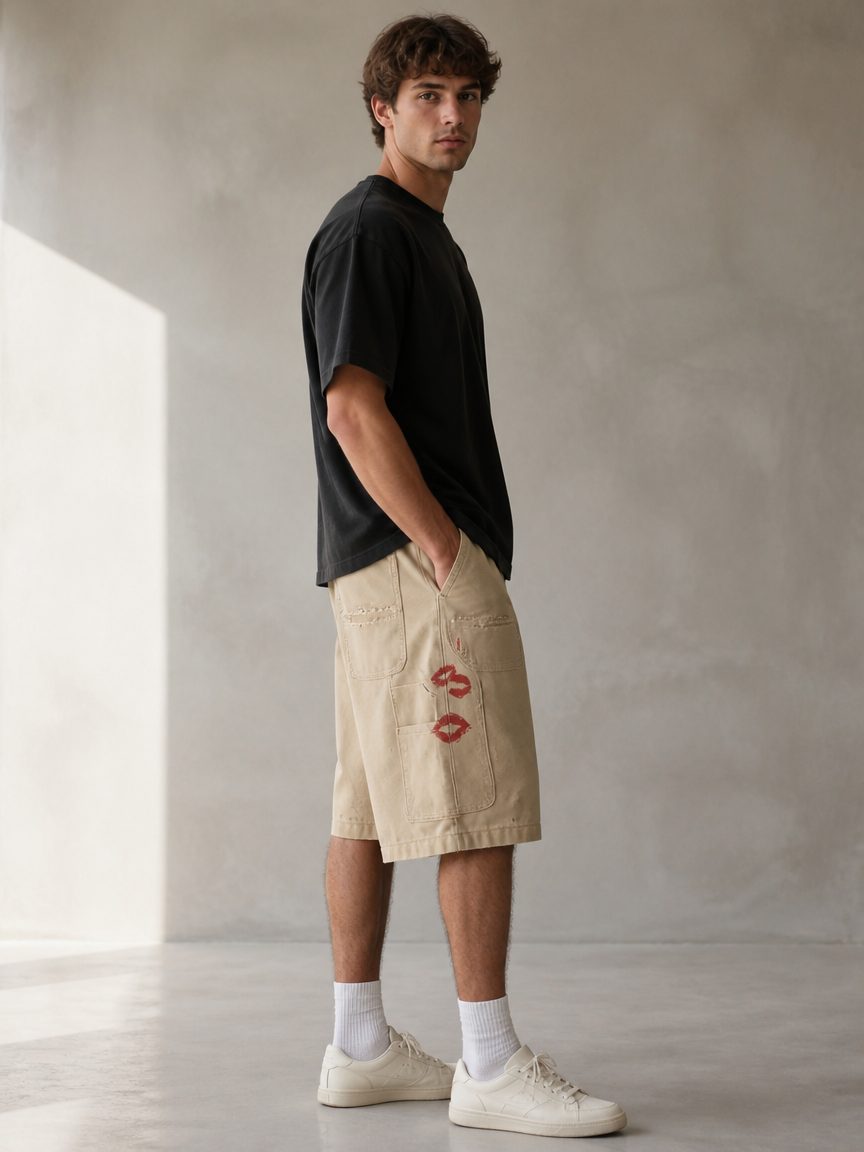
Enzyme wash works on the opposite principle. Instead of aggressively stripping color, enzymes — natural proteins that break down the loose surface fibers of cotton — are used to gently clean and soften the fabric while removing a small, even amount of dye. The result is a uniform, lived-in appearance: slightly softened color, a smoother hand feel and none of the harsh contrast that acid wash produces.
For streetwear brands, enzyme wash is the workhorse of the vintage look. It is the finish behind most soft, faded retro tees, hoodies and denim that feel broken-in from the first wear. Because the process is even and comparatively gentle, it suits a wider range of fabrics than acid wash — heavyweight fleece, French terry, jersey and denim all respond well — and it is a common choice when the goal is comfort and wearable vintage aesthetics rather than a distressed statement piece.
Enzyme wash is also a good base to build on. Many factories combine it with other steps: enzyme first to soften and fade, then stone washing, pigment dyeing or distressed effects on top to push the garment further toward a specific vintage character. If you are not sure how far to go, an enzyme base is a safer starting point than an acid finish because it is easier to control and easier to repeat across reorders.
Acid Wash vs Enzyme Wash: Key Differences
| Comparison | Acid Wash | Enzyme Wash |
|---|---|---|
| Visual effect | High-contrast marbled, mottled, uneven color stripping | Uniform, subtle vintage fade |
| Hand feel | Depends on finishing; can feel harsher | Noticeably softer, broken-in feel |
| Best fabrics | Denim, heavyweight cotton; fragile or stretch knits risky | Cotton knits (fleece, French terry, jersey), denim, most cotton fabrics |
| Process intensity | Strong chlorine-based treatment; needs tight process control | Gentle, even, easy to control |
| Style fit | Rock, grunge, high-impact statement streetwear | Soft retro basics, wearable vintage; easy to combine with other finishes |
| Cost note | More processing and water care; usually higher cost | Closer to a standard wash; final cost quoted per style, per color |
Both techniques belong to the wider family of garment washing that also includes stone washing — which uses pumice stones for mechanical abrasion and sits somewhere between the two in intensity. Which one is right for your collection depends on the look, the fabric and the budget, and the decision steps below walk through that choice.
How to Choose the Right Wash for Your Collection
Choosing between acid and enzyme wash is a four-step decision, and the order matters.
- Define the visual target first. Pull references: if the inspiration is high-contrast, marbled and aggressive, that points to acid wash or stone-heavy treatments. If it is soft, faded and comfortable, enzyme wash is the natural fit. Sending reference images is far more reliable than describing "vintage" in words.
- Match the wash to the fabric. Acid wash needs sturdy, mostly cotton fabrics. Enzyme wash tolerates a much wider range, including heavyweight fleece and French terry. If your garment is a lightweight or stretch knit, plan for enzyme or a milder finish and confirm feasibility with the manufacturer before quoting.
- Check the details that change with washing. Shrinkage, thread and trim color, print and embroidery placement all behave differently after a wash. Fabrics are often pre-shrunk and garments are finished with washing in mind, but your supplier should confirm how the wash affects the specific trims you selected.
- Ask for a wash sample before bulk. A swatch or reference photo tells you little about hand feel and color depth on your actual fabric. A wash sample made from your chosen fabric and wash formula is the only way to approve the finish, and it becomes the benchmark for the whole order.
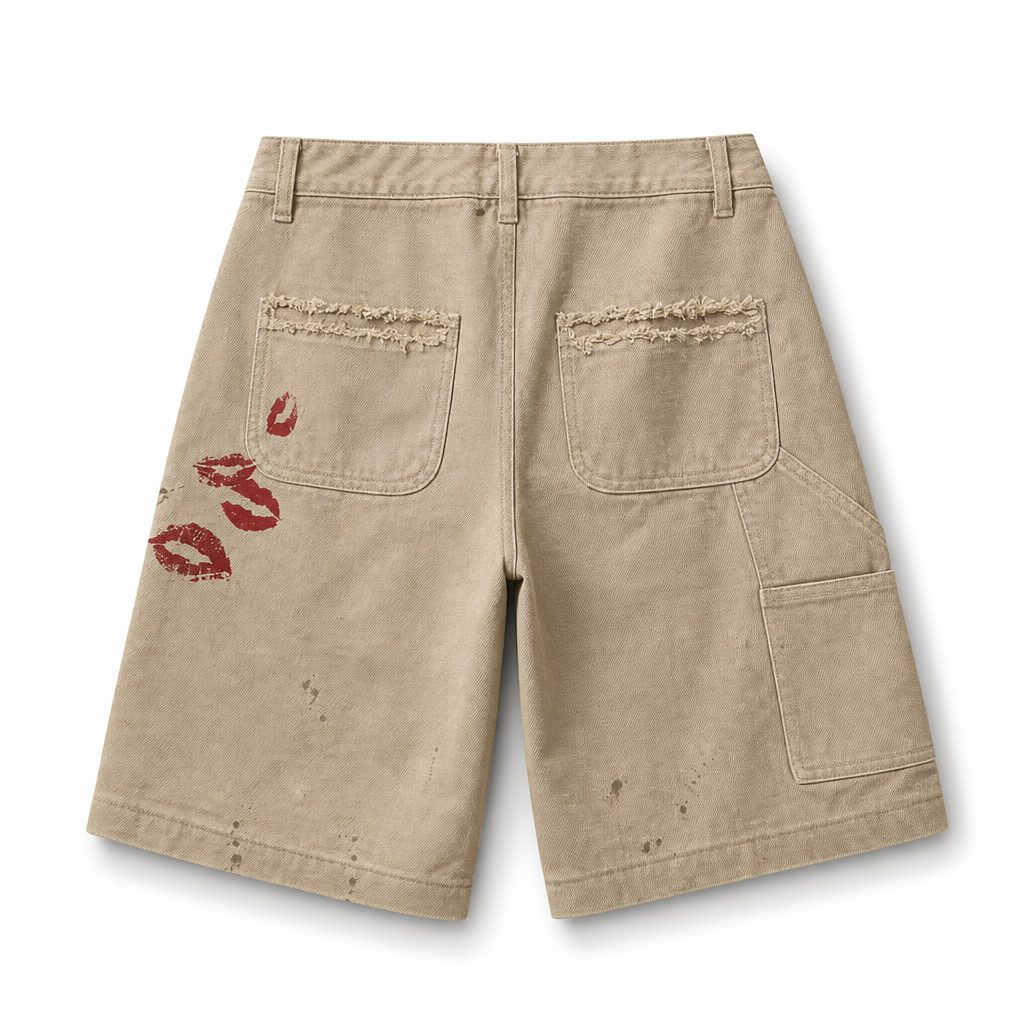
Cost follows these decisions rather than the other way around. Acid wash generally demands more processing and care, which tends to raise the per-piece cost, while enzyme wash is closer to a standard garment wash. Exact figures vary with fabric, garment style and the number of wash steps, so request an itemized quotation for your specific design instead of relying on general rules of thumb.
Sampling and Production With Your Manufacturer
Once the wash direction is clear, the development process is straightforward when you work with an experienced garment manufacturer. INFULLSAIL is a Dongguan-based OEM and ODM clothing manufacturer with more than 20 years of apparel production experience, and garment washing is part of our regular development work: vintage washes, enzyme washing, distressed effects and pigment dyeing are finishes we run for streetwear and retro programs.
The wash sample is the core of the process. Send your reference garment, sample swatch or a clear description of the target effect, and we develop the wash on your chosen fabric first. Sampling fees are quoted clearly in advance — never buried in a later invoice — and wash samples are typically completed within one to two weeks. You review the hand feel, the color depth and the fit, request adjustments if needed, and bulk production starts only after you approve the sample.
For washed garments, plan your calendar around the sample round: bulk production generally runs three to four weeks after sample approval, depending on the style and order size. Our standard MOQ is 100 pieces per style, per color, which keeps wash development practical for startups and established brands alike, and sizes can usually be mixed within that total. We ship worldwide by sea, air or land, and every quotation includes a clear production schedule and shipping breakdown. If you want to explore how washing fits into the wider process, see our pages on Manufacturing and Production and Fabrics and Processes, or read how we develop retro silhouettes in Retro Clothing Manufacturing Solutions.
FAQ
What is the difference between acid wash and enzyme wash?
Acid wash uses a chlorine-based treatment to strip color unevenly, creating a dramatic marbled, high-contrast effect. Enzyme wash uses natural enzymes to soften fabric and remove color evenly, producing a uniform, lived-in fade. Acid wash is a statement finish for sturdy fabrics; enzyme wash is the gentler workhorse of the vintage look.
Does enzyme wash damage the fabric?
Enzyme wash is one of the gentler garment washes: it removes loose surface fibers and a small amount of dye rather than aggressively breaking the fabric down. Heavyweight cotton, fleece, French terry and denim all respond well. As with any wet process, shrinkage and hand feel must be verified on a wash sample made from your actual fabric before bulk production.
Can heavyweight fleece hoodies be enzyme washed?
Yes. Enzyme washing heavyweight fleece and French terry is common and gives hoodies a soft, broken-in feel with an even vintage fade. The key is testing the specific fabric weight and construction on a wash sample first, because fleece reacts differently from jersey, and shrinkage must be confirmed before cutting bulk.
How do I request a wash sample?
Send your reference image, a swatch of the target fabric, or a physical reference garment, and describe the effect you want. The sampling fee is quoted clearly in advance, and wash samples are typically completed within one to two weeks. Once you approve the sample, it becomes the benchmark for the entire bulk order.
Can you match a wash to my reference garment?
Yes. Send the reference garment, a fabric swatch or clear photos, and we develop the wash on your chosen fabric first. You review the hand feel and color depth on the sample and request adjustments before bulk production begins.
Ready to develop a washed collection? Send INFULLSAIL your design, reference image or fabric swatch. Our team will review the fabric, the wash effect and your quantity requirements before preparing a tailored quotation with a clear sampling schedule. Request a Custom Quote
Frequently Asked Questions
What is the MOQ for custom apparel?
Our standard MOQ is 100 pieces per style, per color, and it applies to each individual style you order rather than the total across a collection. Sizes can be mixed within one colorway to reach the minimum, which makes a first production run practical for new brands. Different colours are treated as separate orders, because each colour involves separate fabric or dye lots, cutting and setup. For brands launching a first collection, that means you can start with one or two styles, prove the fit and the fabric with real customers, and expand the range once the data supports it. We confirm the minimum for each style in the written quotation.
Can I start with a small trial order before bulk production?
Yes. With a minimum of 100 pieces per style, per color you can run a focused trial order before committing to larger volumes. This is the approach we usually recommend for a new season: pick one or two core styles, approve the sample, and test how they perform with your customers before scaling. Once a style sells, reorders follow the same minimum, which keeps restocking predictable. Keeping the first run simple, with fewer styles, colours and decoration placements, means faster production and a clearer read on demand. You can extend the range in the next order with confidence.
How is the unit price calculated for different order volumes?
Unit price depends on fabric and weight, construction and fit complexity, decoration such as printing, embroidery or washing, labels and packaging, and the total quantity you order. Fixed elements including pattern development, machine setup and finishing preparation are spread across the number of pieces, so larger volumes normally bring a lower unit price. Because every project uses different materials and processes, we prepare an itemized quotation rather than publishing fixed price tables. Send your design and two or three target quantities and we will show how the unit price changes across those levels so you can plan your budget realistically.
Have another question? Request a Custom Quote