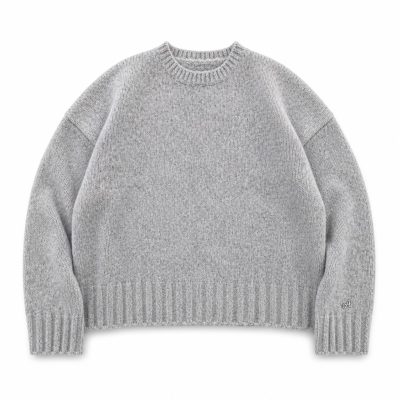
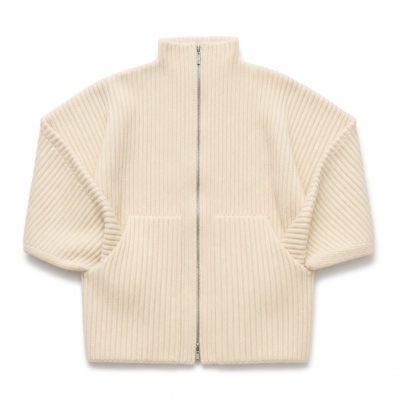
Clothing Manufacturer Quality Control: A Buyer's Guide
Quality control is the part of sourcing brands cannot see in a photograph. A sample arrives looking right, then the first container lands with a sleeve length that drifts across sizes, a dye lot two shades off, or zips that fail in week three. That is rarely bad luck. It is the predictable result of a purchase order that never said what "correct" meant, and a QC process nobody agreed to before production started.
This guide covers what quality control actually involves at a manufacturer, where the checks belong in your calendar, and how to write a QC plan that protects your launch instead of documenting its failure.
Quick answer: quality control at a clothing manufacturer is a sequence of agreed checkpoints — fabric and trims on arrival, pre-production sample approval, in-line checks during cutting, sewing and finishing, and a final inspection before packing. Defects are judged against a written specification and a sampling plan, not personal opinion. The standard MOQ is 100 pieces per style, per color; sampling typically takes one to two weeks, and bulk production runs three to four weeks after sample approval.
Key Takeaways
- QC is a specification problem before it is an inspection problem. If the tech pack does not state the measurement, tolerance, colour reference and defect definition, no inspection can enforce them.
- Checks have to sit inside the calendar, not at the end. In-line QC prevents defective units being made; final inspection only counts them.
- AQL sampling, described in ISO 2859-1 (1999), gives you and your manufacturer a shared language for how many units to inspect and how many defects are acceptable.
- Fabric, trims and labelling cause some of the most expensive failures, and they are the cheapest to catch before cutting starts.
- INFULLSAIL is a Dongguan-based OEM and ODM clothing manufacturer with more than 20 years of apparel experience, producing streetwear at an MOQ of 100 pieces per style, per color, with one point of contact accountable through sampling, bulk and reorders.
What Quality Control Covers at a Custom Clothing Manufacturer
Quality control is broader than the final inspection most buyers picture. In practice it runs the length of the order:
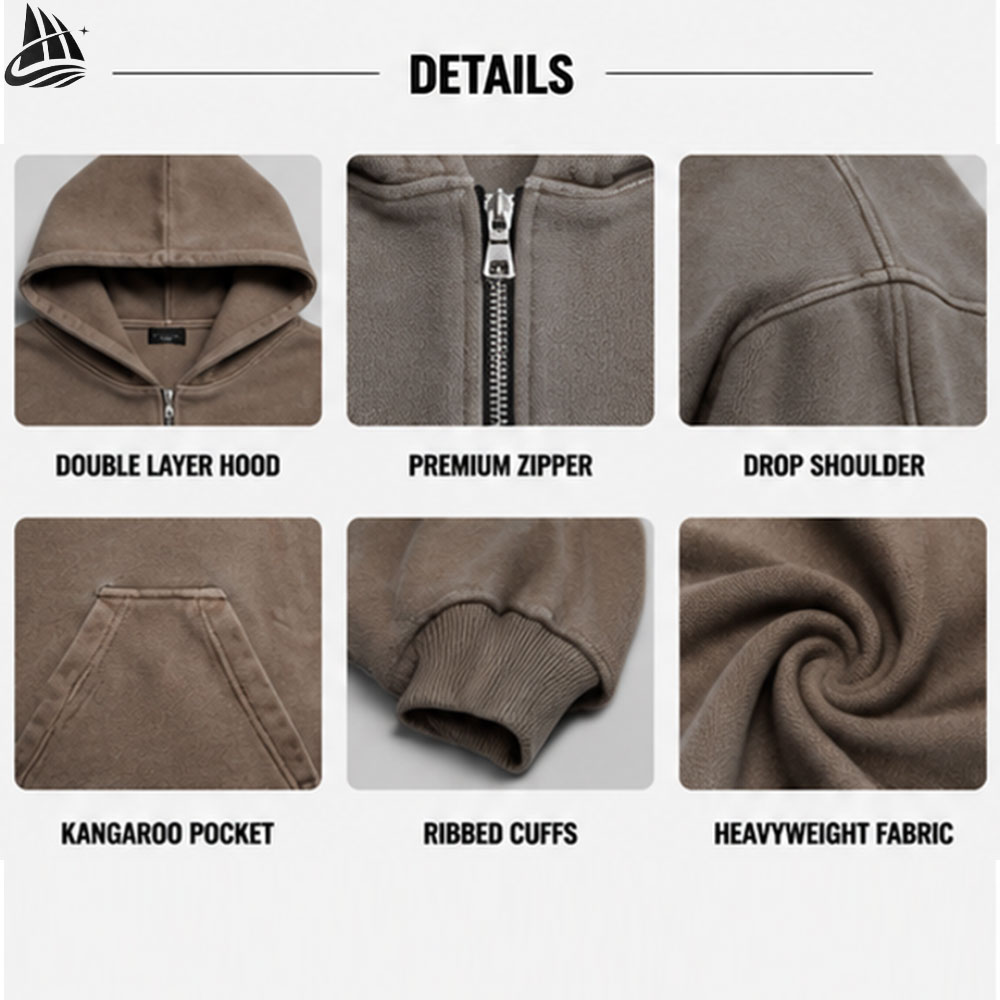
- Incoming material checks on fabric, rib, zips, buttons, drawcords and interlining, including shade, weight, width and hand feel against the approved reference.
- Sample approval, where fit, measurements, construction, wash and decoration are signed off as the standard for bulk.
- In-line checks during cutting, sewing, washing, printing or embroidery, and finishing, catching problems while they can still be corrected.
- Final inspection against the approved sample, with measurement and defect checks recorded before packing.
- Documentation, so a reorder repeats the same result instead of restarting the argument.
The value to your business is straightforward: fewer chargebacks, fewer returns, and a drop that ships when the marketing calendar says it should. It also protects pricing — a garment that must be reworked, discounted or replaced carries a real cost per unit, and that cost lands on the brand, not just the factory.
How production is structured matters too. When fabric, cutting, sewing, washing and decoration run as one programme under one schedule, a defect is caught before the next stage adds cost to it. Our page on Manufacturing and Production shows how those stages are sequenced.
The Four Inspection Points That Catch Defects in Time
Where a check sits in the process decides how much it saves you. These four points cover most of the risk in a streetwear order.
1. Pre-production review. Before bulk begins, confirm the approved sample, fabric lot, trims and measurement chart. This is the last moment when a change costs a sample rather than a run, and where the wash and decoration sequence is fixed, because a garment washed after printing behaves differently from one printed after washing.
2. During cutting. Cutting sets the ceiling on every measurement that follows. Checks cover ply alignment, marker accuracy, shading across the spread, and whether the cut panels match the approved pattern.
3. During sewing and finishing. In-line inspection follows bundles through the line, checking stitch density, seam strength, symmetry, pocket and placket alignment, and clean trims. Because it runs while production is still moving, faults are corrected for the remaining units. A final inspection cannot do that — it only counts them.
4. Final inspection before packing. The check buyers usually mean by QC: measurement against the approved chart, visual defect review, decoration quality, labelling and packing method — done against the approved sample, and recorded.
Wherever the checks sit, write them into the purchase order with names and timings.
AQL: Turning "Good Enough" Into a Number You Both Agree On
"Zero defects" sounds like a strong standard until you try to apply it to a production run of several thousand units. Inspecting every piece is rarely practical, and judging everything by eye leads to disputes at the exact moment you need decisions.
Acceptance sampling solves this by agreeing in advance how many units to inspect from a lot and how many defects are acceptable at each severity level. The method is standardised: ISO 2859-1 (1999) defines sampling schemes indexed by acceptance quality limit (AQL) for lot-by-lot inspection, the framework most apparel buyers reference when they specify an inspection level.
Two things make AQL work for the buyer rather than against them:
- Severity definitions belong to you. Critical, major and minor defects mean nothing until your document says what they are. A seam that opens in wear is critical. A loose thread is not. Write both.
- Measurement tolerances are a separate decision. AQL covers visible defects; it does not decide whether a chest measurement may be plus or minus half a centimetre. Those tolerances go in the tech pack, per measurement, ideally with tighter limits on high-visibility points such as the front rise and chest width.
Agree both before production and inspection becomes a shared standard; leave them open and every shipment becomes a negotiation.
Pre-Production Checks: Fabric, Trims, Labelling and Fit
Some of the most damaging defects are decided long before the sewing line starts, and they are the cheapest to prevent.
Fabric. Confirm the lot you will produce in, not a swatch from a previous order. Check weight, width, stretch recovery, shade under the light you will sell in, and shrinkage after your specified wash. A garment can pass every sewing check and still fail because the fabric shrinks after its first home wash. Where colour performance matters, fastness to laundering and to rubbing can be compared using methods such as ISO 105-C06 (2010) and ISO 105-X12 (2016), so the approved reference and the bulk lot are judged the same way.
Trims. Zips, buttons, snaps, drawcords and elastic fail in wear more often than fabric does. Check them as working components: cycle the zip, test the snap retention, and confirm the drawcord length and tipping finish specified in the tech pack.
Labelling and compliance. Care labels, fibre content, country-of-origin marking, size labels and hangtags are checked against your artwork and for durability after washing. Wrong or missing care content drives returns and audit problems, and it is prevented by comparing artwork to applied labels.
Fit and sizing. Approve grading, not just one size. A medium that fits correctly tells you nothing about how your pattern grades to a 3XL, so request measurement charts across the full range and check the points that shift in wear.
Fabric choice drives most of these downstream decisions, and our page on Fabrics and Processes explains how wash and finish interact with the material you select.
Building a QC Plan That Protects Your Launch and Your Reorders
A working QC plan fits on one page and is agreed before the order starts. The elements that matter most:
- A current approved sample — signed, dated, and kept by both sides, with the fabric lot and colour reference recorded.
- A measurement chart with tolerances per size, flagged for critical points.
- Defect definitions split into critical, major and minor, with examples.
- Inspection stages and sampling plan, including who attends the final inspection and what happens if the lot fails.
- Decoration and wash specifications, with the printing, embroidery or washing sequence fixed in writing.
- A named contact and a reporting route, so a mid-run issue reaches you the same day instead of at the container.
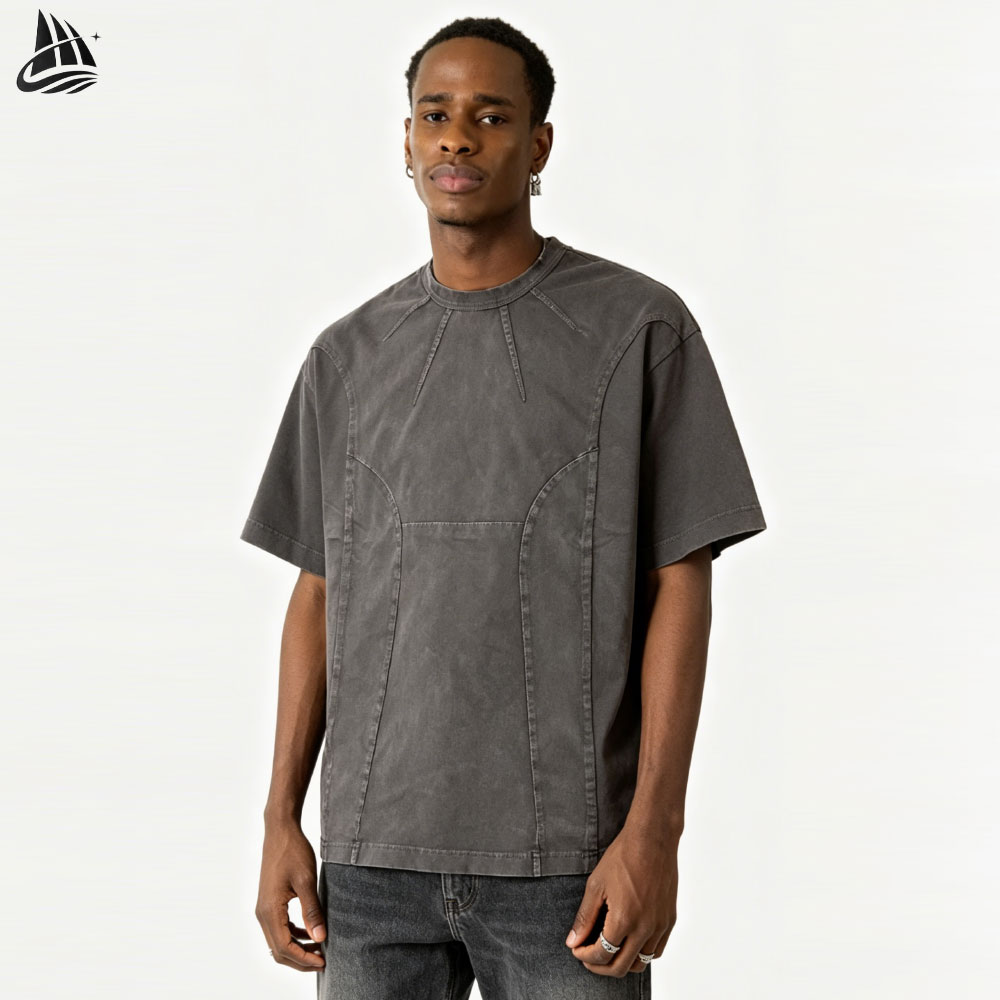
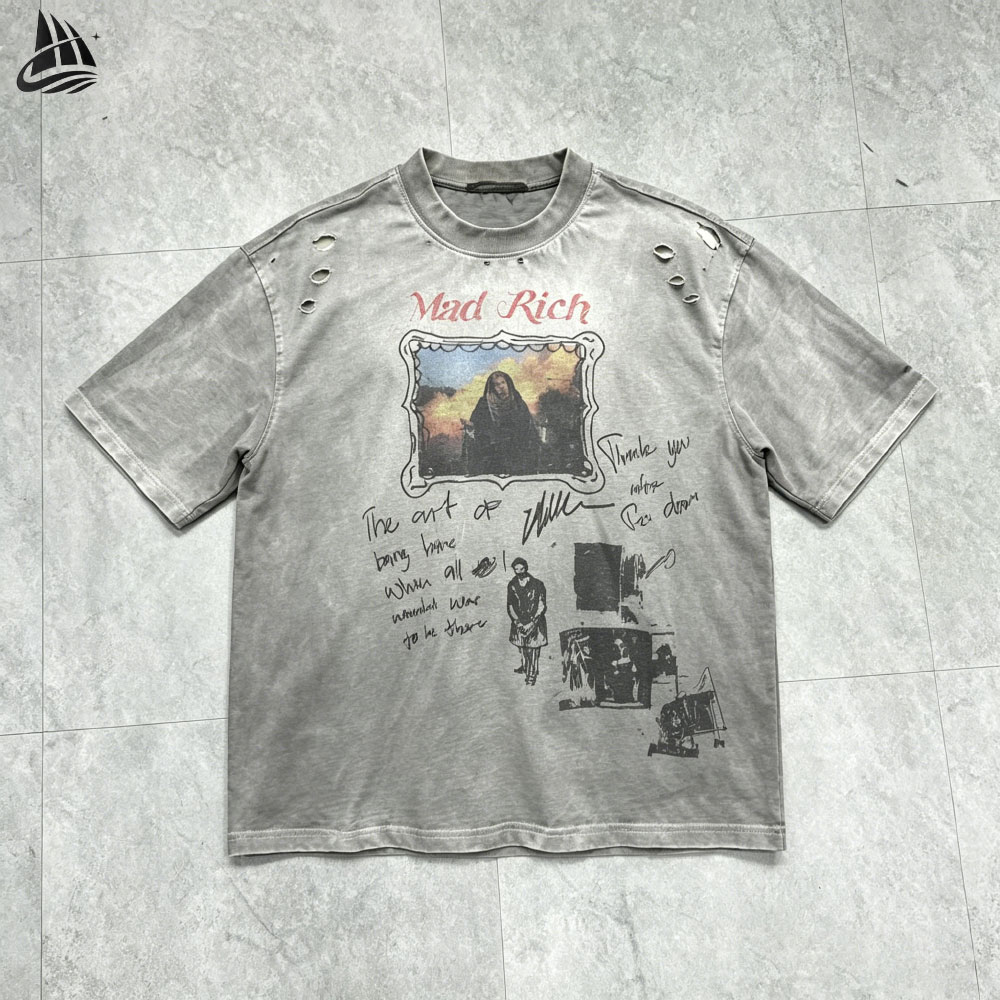
Where quality problems recur, the fix is usually upstream: a pattern that grades poorly, a fabric that was substituted, or an instruction that was never written down. Because we build streetwear with washed and vintage finishes as part of the same programme, decoration and finishing sequence is settled at sampling rather than adjusted later. Our Retro Clothing Manufacturing Solutions page covers how washed styles are handled.
A clean QC plan is what makes a reorder repeatable, keeps your return rate predictable, and lets you hold a retail price instead of discounting damaged stock.
At INFULLSAIL, sampling is a paid step and the fee is quoted clearly in advance, so nothing appears on a later invoice. Samples are typically completed within one to two weeks, and bulk production typically runs three to four weeks after sample approval, depending on the style and quantity. The standard MOQ is 100 pieces per style, per color, and lower-volume trial orders can be discussed case by case depending on the style and the processes involved. Reorders run to the same minimum, using the approved specification already on file. We ship worldwide by sea, air or land, and quotations set out the production schedule and shipping options so you can plan a launch date with confidence.
FAQ
How does quality control work if I am ordering from overseas?
Your order runs to the approved sample and a written specification, with checks at agreed stages — materials, cutting, in-line production and final inspection. That written reference defines defect and measurement standards across distance. Ask for the inspection record before shipment, and agree in advance how a failed check will be corrected.
What is AQL and should I use it?
AQL stands for acceptance quality limit. ISO 2859-1 (1999) describes sampling schemes indexed by AQL for lot-by-lot inspection, which lets you and the manufacturer agree how many units to inspect and how many defects are acceptable at each severity level. It is a practical alternative to inspecting every piece, and it removes argument as long as your critical, major and minor definitions are written down.
Can I approve a sample and still get inconsistent bulk?
It happens when the sample was made in a different fabric lot, or when the specification lived in messages rather than a document. Approving the sample against the production fabric, recording the colour reference, and confirming the bulk lot matches prevents most of it.
Do you inspect garments before packing?
Yes — the final inspection covers measurements, visual defects, decoration quality, labelling and packing against the approved sample, with results recorded before shipment. Defect and tolerance definitions are agreed at the start so both sides check against the same standard.
Can a smaller first order still go through the same QC process?
The standard MOQ is 100 pieces per style, per color, and lower-volume trial orders can be discussed case by case depending on the style and the processes involved. The checks themselves do not change with order size: sample approval, in-line control and final inspection apply to a small run as much as to a large one.
Get a Clothing Quality Control Quotation
Send us your tech pack, measurement chart with tolerances, fabric and colour references, decoration and wash specification, size range and target market, plus any defect definitions you already work to. We will reply within one business day with a development plan, a clear quotation including sampling cost up front, and the QC checkpoints we propose. Share your project through our contact page and we will take it from there.