Consistent Vintage Fade: Scaling a Wash Across a Bulk Run
A vintage fade is easy to approve on one pair of jeans and hard to repeat across a hundred. That gap is where most bulk denim orders go wrong: the sample looks right, the production run arrives slightly different, and the difference is not a defect anyone can point at. It is a process that was never pinned down.
Key Takeaways
- The base fabric decides how a wash behaves, so the fabric is locked before the wash is developed.
- Wash consistency is a tolerance question, not a yes-or-no question; the tolerance is agreed on the approved sample.
- Hand work introduces variation that machine work does not, so the specification has to say how much variation is acceptable.
- The minimum is 100 pieces per style, per color, and each additional wash counts as its own colourway.
- Sampling typically takes 2–3 weeks; bulk production for an order of around 100 pieces typically takes about 3 weeks, depending on production requirements and scheduling.
Why the Same Recipe Produces Different Fades
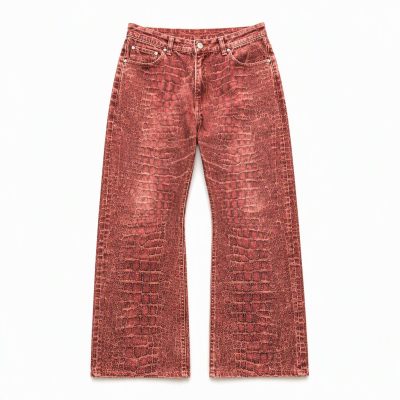
A wash is a recipe applied to a specific fabric, not a colour chosen from a card. Two denims with the same nominal weight can respond differently because the yarn, the weave density, the indigo depth and the finishing history differ. Change any of those and the same process produces a different result.
That is why wash development starts with the fabric rather than the reference photo. The base fabric is selected first, then the process is tuned against it. If the fabric changes later, the wash has to be redeveloped, and a redeveloped wash is a new approval cycle rather than a tweak.
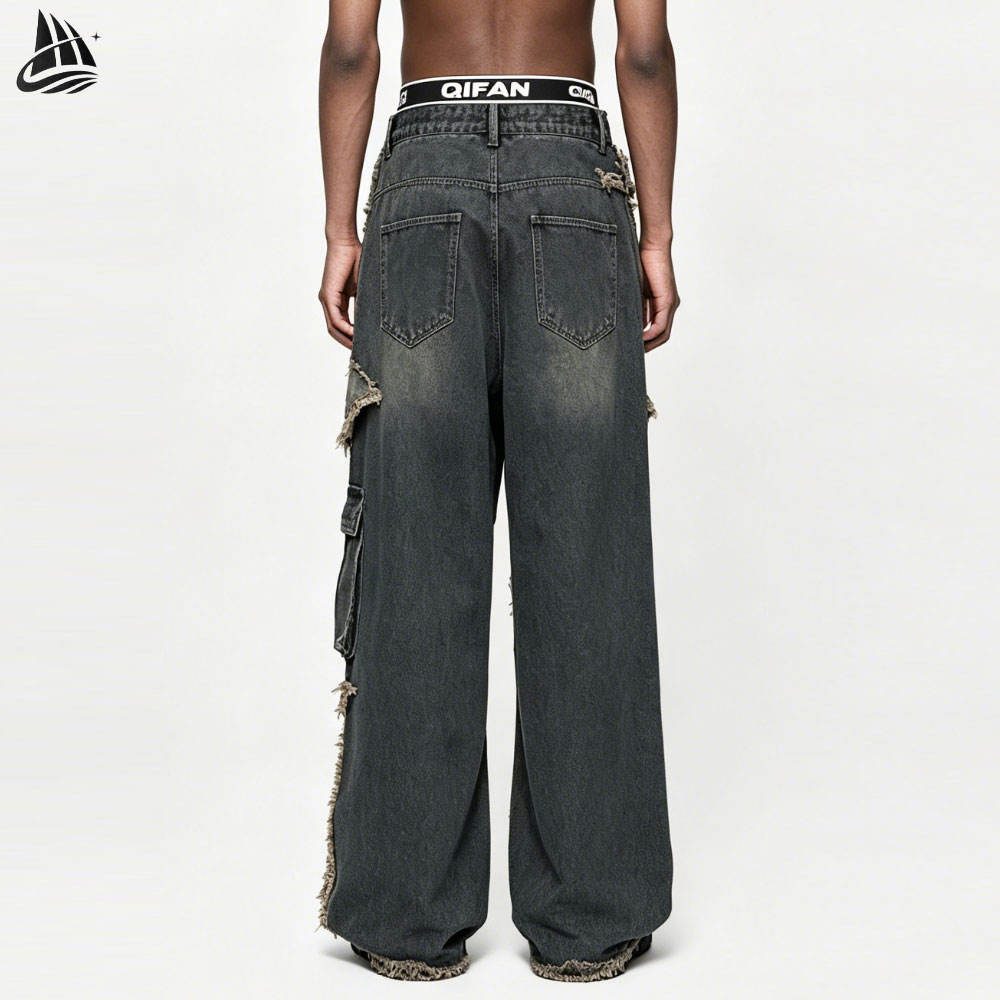
Fabric consistency matters between orders as well. Reorders draw on the specification and records from the original run, so the shade, weight and construction can be matched rather than re-specified. Where the mill lot changes, that is worth flagging before production rather than after delivery.
Setting a Tolerance Instead of Chasing a Perfect Match
No two washed garments are identical, and asking for identical is asking for something the process cannot deliver. The useful specification states a range: how much shade variation is acceptable across a run, how pronounced the localised fading should be, and which areas are allowed to differ.
This is agreed on the approved sample. The sample becomes the reference document, and both sides judge production against it rather than against memory or a photograph. Photographs are misleading for wash because lighting changes the reading of the same garment, so the physical sample is the only reliable anchor.
Where a finish involves hand work — sanding on seams, local abrasion at pockets, whiskering — variation is inherent to the method. The specification should say how much is acceptable, because "some variation" left undefined becomes a dispute at delivery.
Where Consistency Is Won or Lost in Production
Most drift happens before the wash drum. Cutting from different fabric lots, batching garments of different sizes together, or running a mixed load of two fabrics all change the outcome. Keeping a run on one fabric lot and washing comparable batches together reduces variation before any process tuning is applied.
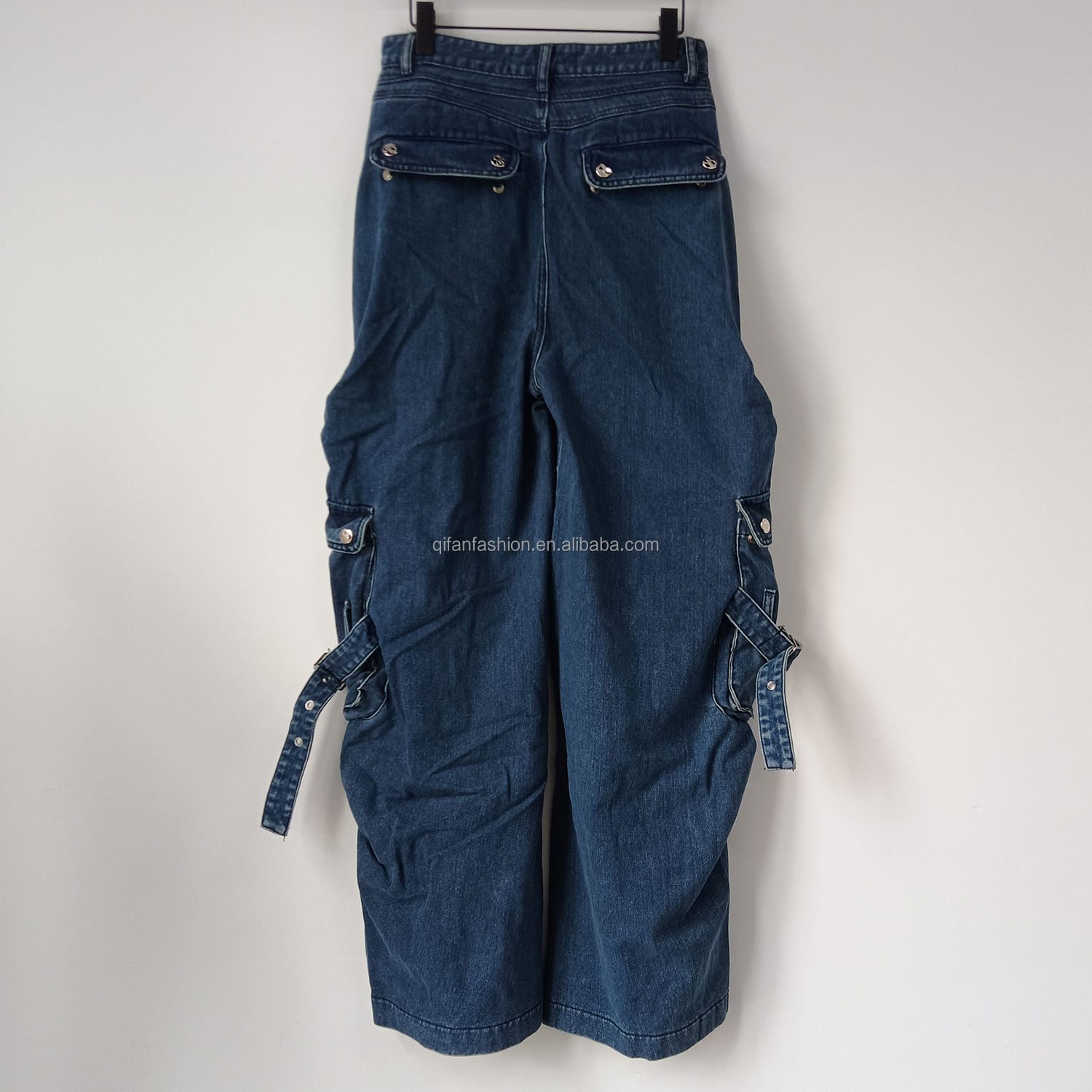
The process itself has variables worth controlling: load size, cycle time, temperature, the amount of abrasive medium and the order of operations. A recipe written only as "stone wash" leaves all of those open. A recipe recorded with parameters can be repeated; one that lives in an operator's memory cannot.
Checking happens during the run rather than only at the end. Comparing pieces from the first batch against the approved sample while production is still running allows correction; discovering drift after packing means either accepting it or reworking it.
Planning the Order Around the Wash
The minimum is 100 pieces per style, per color, with sizes mixable inside one colourway. Because a wash is effectively a colour decision, two washes on one style means two minimums — a different wash is a different fabric reservation and a separate process setup.
Sampling is quoted individually based on the fabric, production techniques and any performance-fabric requirements, so the fee reflects the actual development work rather than a flat rate. Sampling typically takes 2–3 weeks. Bulk production for an order of around 100 pieces typically takes about 3 weeks, depending on production requirements and scheduling, and freight by sea, air or land is arranged against the confirmed schedule.
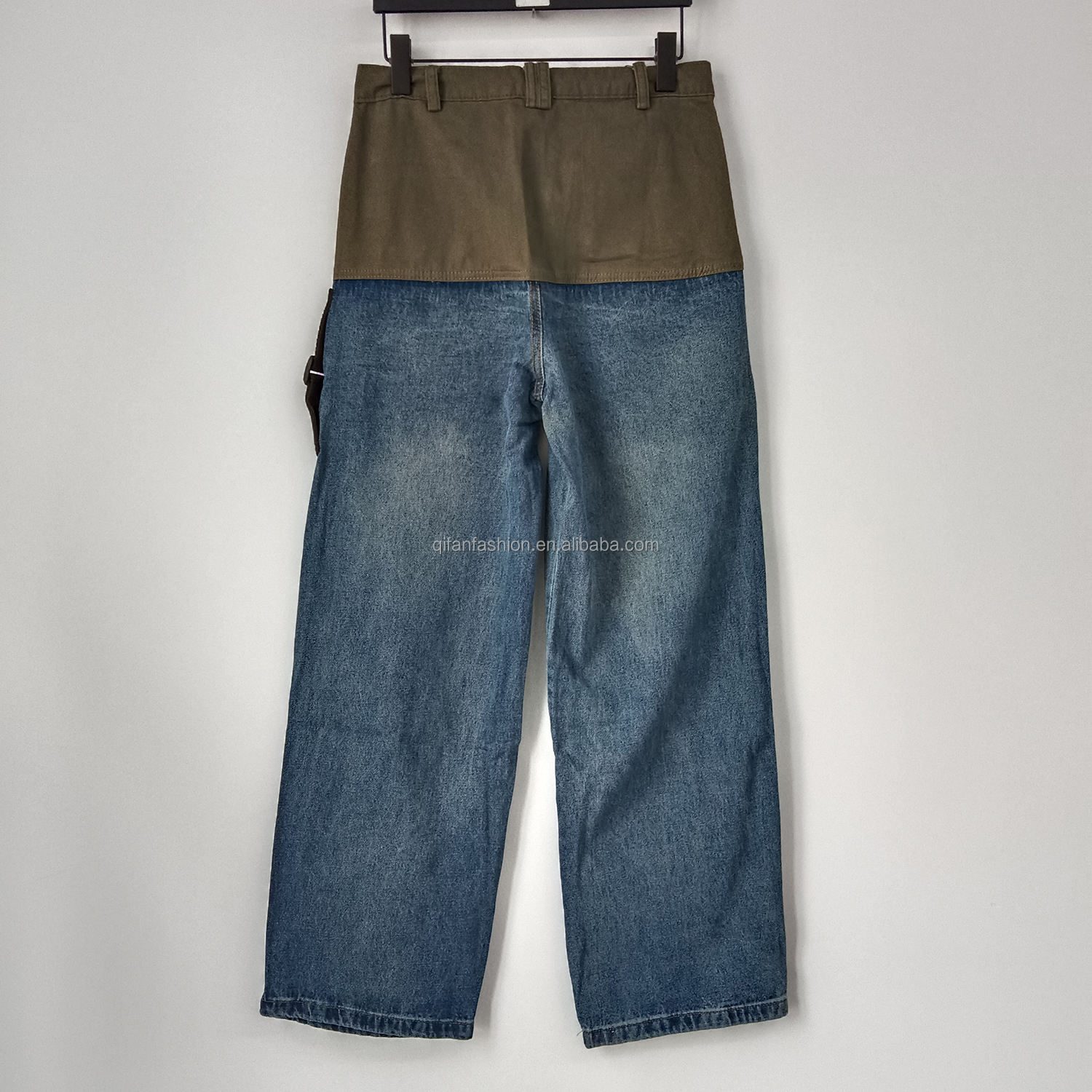
A practical first order launches one wash, proves the sell-through, then extends into a second wash as a reorder. That keeps the first run manageable and means the second wash is developed with the first one's records already in hand.
What to Send With a Wash Brief
A reference garment is more useful than a photograph, because the fabric, the fade pattern and the hardware can all be examined directly. Alongside it, the brief should state the intended base fabric or hand feel, the fade direction, which areas should show wear, and any areas that must stay clean.
Quantity per style and colour, the size spread and the intended launch window complete the picture. With those, the development work can be scoped properly and the schedule checked before anything is cut — which is the point where a wash problem is cheap to solve.
Frequently Asked Questions
Can you match a vintage fade to a pair of jeans I already own?
Yes, and a physical reference is the most reliable starting point. The base fabric is shortlisted against it, then the wash is developed on a sample. Because the result depends on the fabric, a worn reference with years of natural fading cannot be reproduced exactly; the sample is where the achievable match and the tolerance are agreed.
How much variation should I expect across a bulk run?
Some variation is normal, and the amount depends on the method. Machine-driven processes on a fixed recipe hold closer than finishes that involve hand sanding or local abrasion. The specification should state what is acceptable, and the approved sample is the reference both sides judge against during production and at final inspection.
Does a second wash double the minimum order?
Effectively yes. The minimum is 100 pieces per style, per color, and each wash is treated as its own colourway because it means a separate fabric reservation and a separate process setup. Many brands launch one wash first and add the second as a reorder once the first has sold.
How long does sampling and bulk take?
Sampling typically takes 2–3 weeks. Bulk production for an order of around 100 pieces typically takes about 3 weeks, depending on production requirements and scheduling. Freight is arranged against the confirmed production schedule, by sea, air or land depending on urgency and volume.
What causes a fade to drift mid-production?
Usually a change upstream of the wash: a different fabric lot, mixed sizes batched together, a load that is too large, or process parameters that were not recorded. Keeping a run on one fabric lot, washing comparable batches together and checking pieces against the approved sample during the run prevents most drift.
How is the sampling cost handled?
Sampling is quoted individually based on the fabric, production techniques and any performance-fabric requirements, so the figure reflects the development work involved. It is confirmed at quotation stage before development begins, which keeps the scope and the cost visible on both sides.
Fix the fabric first, then let the wash follow.
If a vintage fade is part of the plan, send the reference garment, the intended fabric and the areas you want to show wear. Contact our team to discuss a denim wash development, review the custom bottoms range for jeans and denim, and see the fabrics and processes used for washes and finishes. The manufacturing and production page explains how a sample becomes a bulk run.