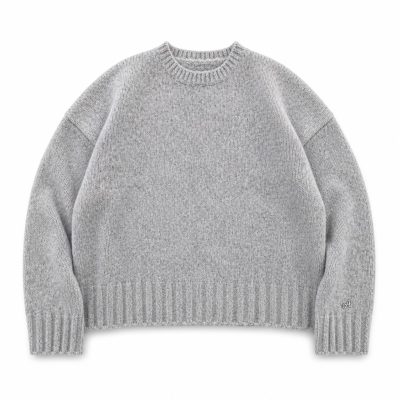
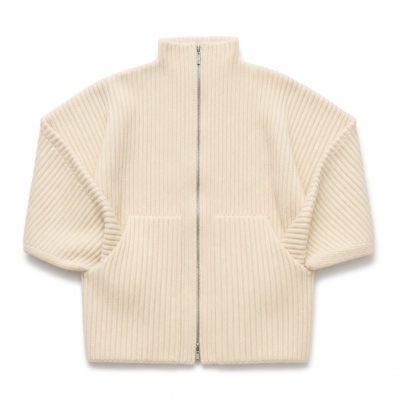
Custom Embroidery Manufacturer: A Streetwear Buyer's Guide
Key Takeaways
- Embroidery is one of the most durable decoration methods in streetwear: contrast logos, chest badges and sleeve hits that survive repeated washing when the artwork and backing are specified correctly.
- The technique you choose — flat embroidery, 3D puff, chenille or appliqué — changes the artwork requirements, the look of the finished piece and how the design has to be prepared for production.
- Digitizing is where most embroidery problems are decided. A file built for the fabric and the final size of the logo prevents distortion, puckering and thread breaks later.
- INFULLSAIL is a Dongguan-based OEM and ODM clothing manufacturer with more than 20 years of apparel production experience, supporting streetwear brands at an MOQ of 100 pieces per style, per color, with samples typically completed within one to two weeks.
Embroidery is one of the few decoration methods that makes a garment feel more valuable the closer you look at it. Raised lettering, a dense chest logo, a chain-stitch detail on a hoodie cuff — these are the signals buyers read as quality, and they are also what makes a streetwear piece recognisable from across a room.
But embroidery is a production process with its own rules, and most of them have to be respected long before the sewing line starts. This guide covers what a capable custom embroidery manufacturer actually does for a brand, how the main embroidery techniques differ, what your artwork needs, and how to check quality so that the first bulk order matches the sample you approved.
What Custom Embroidery Offers Streetwear Brands
Embroidery gives a brand a mark that is part of the garment rather than sitting on top of it. A printed graphic can fade, crack or peel with wear; embroidery holds its shape, colour and relief through repeated washing, which is why heritage sportswear and streetwear alike keep returning to it for logos, wordmarks and small graphic hits.
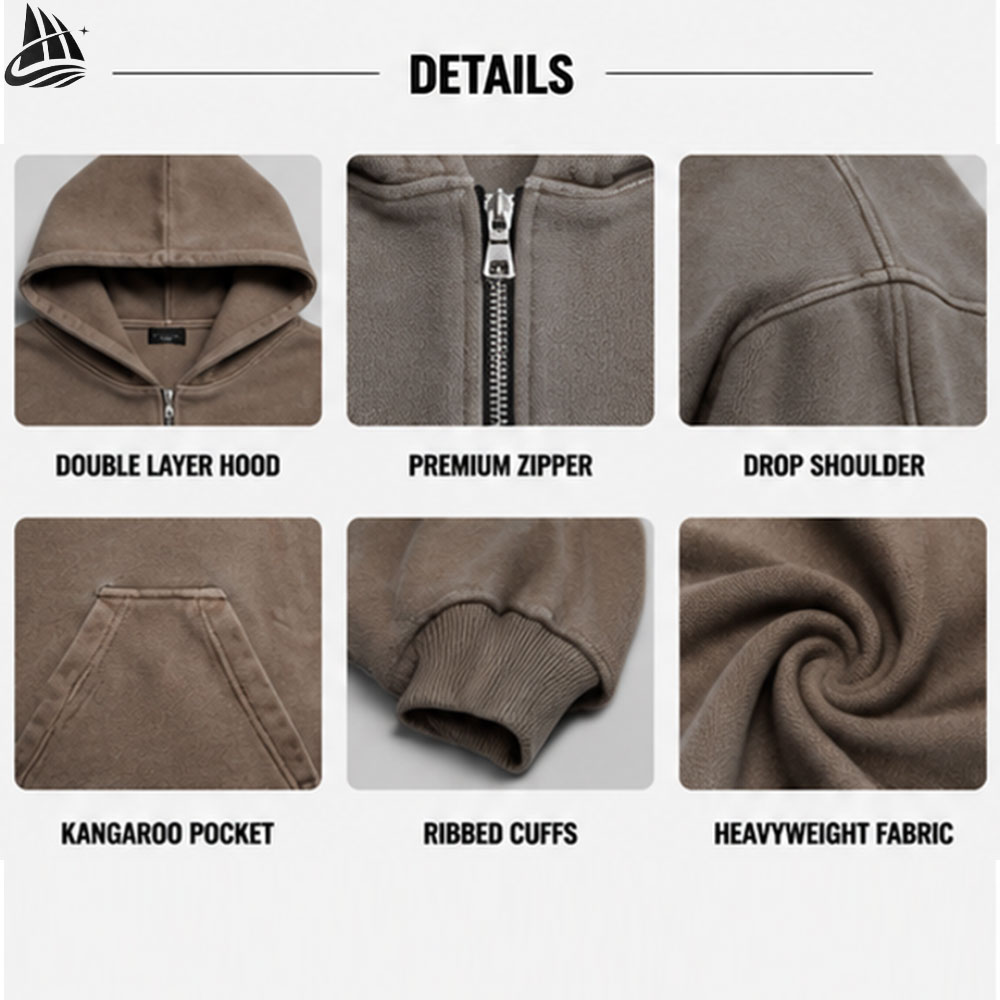
For an apparel manufacturer, embroidery also opens up design options that printing cannot reach. Stitched logos work on heavyweight fleece, brushed interiors, ribbed cuffs, caps and woven panels — surfaces where a flat print sits awkwardly. Embroidery pairs naturally with the vintage and washed finishes many streetwear programmes use, because a slightly faded garment with a dense embroidered logo reads as intentional rather than accidental.
The trade-off is preparation. Embroidery is built from stitches, so the design must be cut down to what a needle can reproduce: fine lines, small lettering and photographic gradients need to be simplified, thickened or replaced with a different technique. Understanding that in advance saves a revision cycle later.
Embroidery Techniques to Know Before You Order
Most streetwear decoration falls into four families. Each one has different artwork requirements, a different visual effect and a different set of quality risks.
- Flat embroidery. The standard choice for logos, wordmarks and small graphic marks. Thread sits directly on the fabric, so it is the most flexible option for curved lettering and detailed line work. Ask how the design will be stitched at its smallest approved size — the same artwork that works on a back panel can lose its counters and thin strokes on a chest placement.
- 3D puff embroidery. A foam layer sits under the stitches to raise the design above the surface. It creates the bold, projecting logo look common on hoodies and caps. Puff suits simple, blocky shapes with generous strokes; thin lines and tight detail are usually simplified, and the foam edge has to be considered from the artwork stage onward.
- Chenille and patch-style embroidery. Chenille gives a soft, raised, almost varsity-jacket texture, while stitched border patches produce a clean badge look. Both are effective for lettering and mascot-style marks, and both add weight to the garment, so placement and garment weight matter.
- Appliqué with embroidery. A fabric shape is stitched onto the garment and finished with embroidered edges. It allows large shapes, colour blocks and fabric-on-fabric contrast that flat stitch alone cannot produce.
Within each family, the practical questions are the same: how dense should the stitching be, what backing is used underneath, how many thread colours are involved, and how the design scales across sizes. Discussing all four before sampling prevents the most common surprise — an approved small-format logo that cannot be reproduced at a larger size without redrawing it.
Preparing Artwork for Embroidery Production
Your artwork file and the embroidery machine do not speak the same language. Digitizing translates one into the other, and it is the most important technical step in the whole process.
A digitizer builds a stitch file from your artwork: the stitch type for each element, the direction and density of the fill, the underlay that stabilises the fabric, the thread sequence and the pull compensation that keeps a shape from distorting. A file digitized for a lightweight woven shirt will not behave the same way on heavy fleece, so the file should be built for the specific fabric and the exact final size of the logo.
Here is what your brief should include before production starts:
- Vector artwork or high-resolution files. Clean, editable artwork avoids guesswork and rework; a low-resolution image may need to be redrawn first.
- Exact dimensions and placement. State the width of the logo and where it sits — centred on the chest, offset, on the left sleeve, above the hem. Small decisions about placement change the look of the finished garment more than most brands expect.
- The size range the logo must work on. If a design appears on both XS and 2XL, confirm how it scales, or whether it stays a fixed size across the range.
- Thread colours. Give colour references and let the factory match them to available thread shades; a near match on a washed garment is often better than a hard contrast.
- Fabric and finish details. Fabric weight, knit structure and whether the garment is garment-dyed or washed all affect how the embroidery sits on the surface.
Reading artwork this way takes an hour of work and typically prevents a full sample redo. It also makes the quotation more accurate, because stitch count and thread changes are part of how embroidery work is priced.
Where Embroidery Quality Goes Wrong
Most embroidery defects trace back to a small number of causes, and nearly all of them are visible before the order ships.
- Puckering. The fabric pulls around the stitched area because the design is too dense for the material or the backing is too light. More stitches are not better; the correct backing and density matter more than volume.
- Distortion and mismatched registration. Shapes drift, counter spaces close up or multi-colour elements fall out of alignment. This usually starts in the digitized file rather than at the machine.
- Gaps and exposed backing. Poor underlay or insufficient coverage leaves fabric or stabiliser visible inside the design, which shows up clearly on darker garments.
- Thread breaks and trims. Loose tails and broken stitches signal a badly sequenced file or poor tension control, and they will multiply across a bulk run.
- Placement drift across a bulk order. A logo that sits a few millimetres higher on one garment than another is the defect buyers notice first when two pieces are worn side by side. Placement should be fixed by a template or jig, not by eye.
- Wash performance. Thread colour, shrinkage of the stabiliser and the interaction between embroidery and a washed finish should be checked on a washed sample, not only on a freshly stitched one.
A manufacturer that inspects at the embroidery stage rather than only at final packing catches these issues when they are still cheap to fix.
From Embroidered Sample to Bulk Production
Once the digitized file is approved, the sample becomes the reference for everything that follows. Ask to see the embroidery on the actual garment fabric if possible, in the actual thread colours, at the actual size, because that combination is what your customer will receive.
At INFULLSAIL, sampling is part of the standard development process. The sampling fee is quoted clearly in advance — never added later as a surprise — and samples are typically completed within one to two weeks. Bulk production typically runs three to four weeks after sample approval, depending on the style and order size, and the standard MOQ is 100 pieces per style, per color. Sizes can usually be mixed within that total, and reorders are supported at the same minimum. We ship worldwide by sea, air or land, and quotations set out the production schedule and the shipping breakdown.
If you are working through decoration options alongside the garment itself, our pages on Manufacturing and Production and Fabrics and Processes describe how we handle the different stages, and Retro Clothing Manufacturing Solutions covers the washed and vintage programmes embroidery is often paired with.
FAQ
Do you handle both embroidery and printing on the same order?
Yes. Decoration is planned per style during development, and different placements on the same garment can use different methods — for example a printed back graphic with an embroidered chest logo. Bringing both into the same sampling round keeps the look and the timeline aligned.
What artwork do I need to send for embroidered logo development?
Vector artwork or a high-resolution file is the most reliable starting point, along with the logo dimensions, its placement on the garment, the size range it must work across and your thread colour references. If you only have a sketch or a reference photo, that is still enough to start the conversation.
Can I approve the embroidery before a bulk order is produced?
Yes. A sample is produced before bulk production as a standard part of development. You review the embroidery on the garment fabric, request changes if needed, and production begins only after you approve it.
What is the minimum order quantity for embroidered streetwear styles?
The standard MOQ is 100 pieces per style, per color. Sizes can usually be combined within that total, and reorders are supported at the same minimum, which keeps embroidered programmes workable for growing brands.
How long does an embroidered sample take?
Samples are typically completed within one to two weeks, with the sampling fee quoted clearly in advance. Bulk production typically follows three to four weeks after sample approval, depending on the style and order size.
Get a Quotation for Your Embroidered Programmes
Send us your artwork, the base garments you have in mind and the placements you want, and we will come back with a sampling plan and a clear quotation — sampling costs included up front. Share your project through our contact page and we will take it from there.