Custom Sweatpants and Joggers: Tapering, Cuffs and Weight
Sweatpants are the garment buyers most often approve from a photo and then complain about after the first wash. The reason is simple: the piece is almost entirely defined by three things you cannot judge from a flat image — the leg line, the cuff construction, and the fabric weight.
Get those right and a jogger becomes a repeat order. Get them wrong and the same pattern produces a pair that bags at the knee, rides up at the ankle, or feels like a different garment after two weeks of wear. This guide covers the decisions worth locking before a sample is made.
Key Takeaways
- The leg line — taper, rise, and knee position — decides whether a sweatpant reads as streetwear or as gym wear.
- Fabric weight changes the silhouette as much as the pattern does. A heavier loopback holds a taper; a light fleece collapses into it.
- Cuff and waistband construction are the two failure points on bulk orders: they either recover or they stay stretched.
- Approve the sample after washing it, not before. Recovery is what the customer experiences.
- Standard minimum is 100 pieces per style, per color, with sizes mixable inside a color. Sampling is quoted per style and typically runs 2–3 weeks.
Start With the Leg Line: Taper and Rise
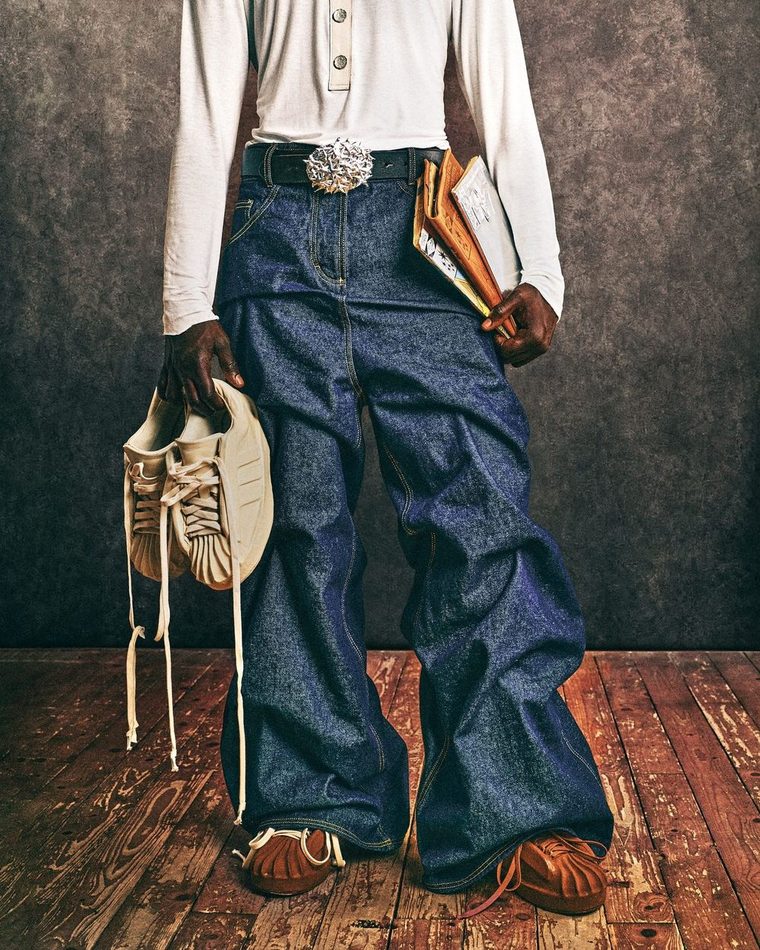
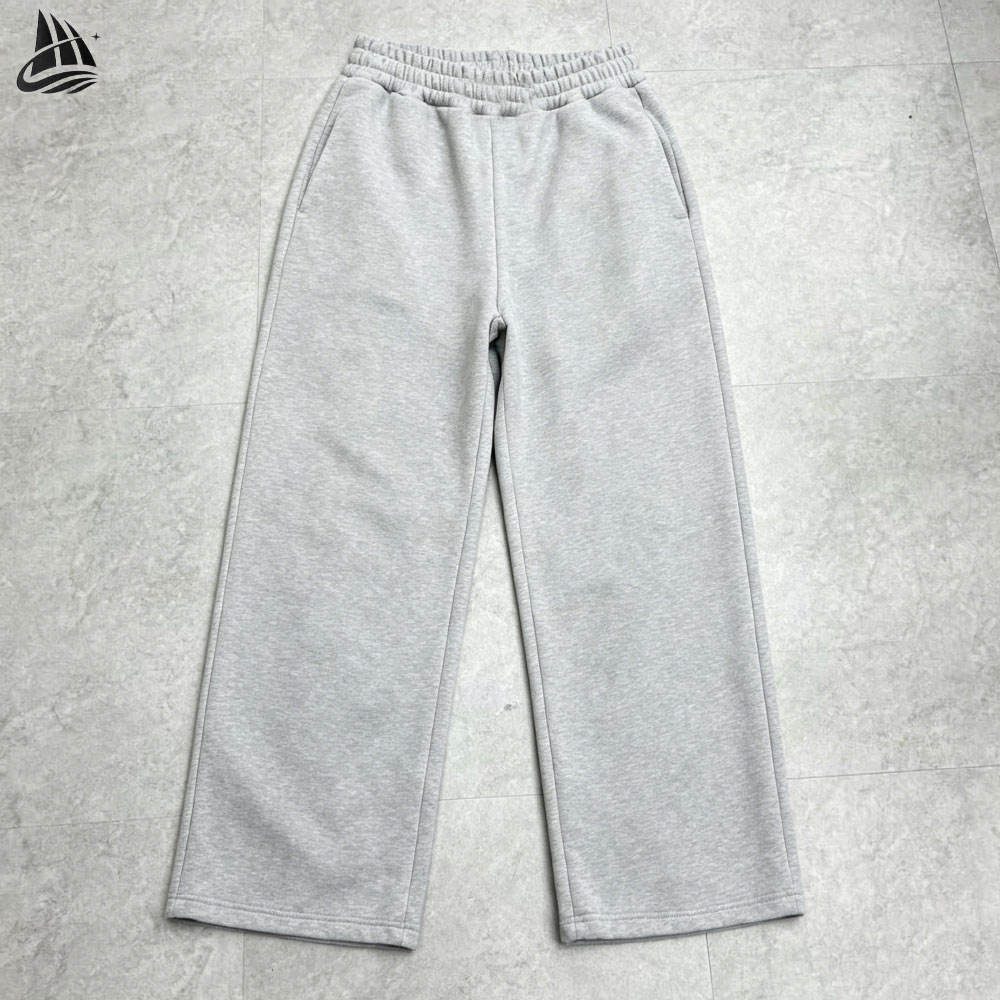
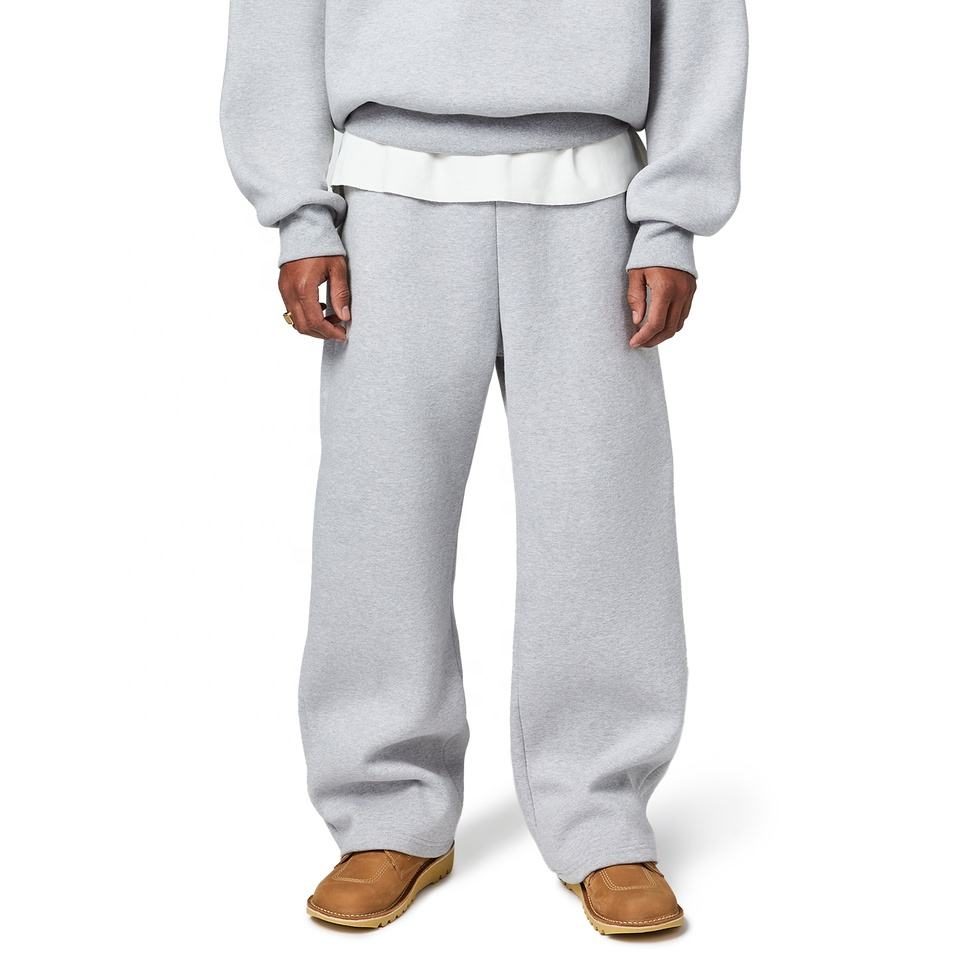
Taper is the single decision that sets the character of a sweatpant. A straight leg from hip to hem reads relaxed and retro. A taper from the knee down reads athletic and modern. A wide, boxy leg reads as fashion and needs heavier fabric to hold the shape.
What matters in production is where the taper starts. Taper that begins too high — above the knee — creates a carrot shape that looks odd on most body types and gets worse when the fabric is light. Taper that begins at or just below the knee keeps the thigh volume intact and narrows toward the ankle, which is the shape most streetwear programmes want.
Rise is the second variable. A mid rise sits at the hip and works with most of the market. A high rise changes the proportion of the whole outfit and needs a longer body to avoid looking compressed. Whichever you choose, the rise has to be specified in the measurement chart, not left to the sample room's interpretation of a reference photo.
Two more measurements decide whether the piece fits real customers:
- Thigh width — the number buyers forget, and the one that causes most size complaints. A taper that is right at the knee but tight at the thigh will not sell through.
- Inseam and outseam — both should be measured on the finished garment, because a cuff pulls the hem up and changes the apparent length.
Grading deserves attention here too. Sweatpants are often graded on the waist and hip, with the leg following automatically, and that is how the largest size ends up with a leg that looks narrow and the smallest with a leg that looks wide. Ask for the leg opening to be graded deliberately rather than inherited.
Fabric Weight and Loopback vs Fleece
Loopback and fleece are both cotton knit, and the difference is what happens on the inside. Loopback has a visible loop structure on the reverse, which makes it breathable and gives it a drier hand. Fleece is brushed on the inside, which traps air and feels softer against the skin.
For sweatpants, loopback is the more common choice for year-round programmes because it holds a crease and recovers well. Brushed fleece feels warmer and heavier, which suits winter ranges and heavier silhouettes, but the brushing can pill in high-friction areas if the fabric quality is not controlled.
Weight does more than warmth:
- Lighter weights drape and move, suit warm markets, and show every pattern shortcut. A light fabric in a tapered leg can cling at the calf.
- Mid weights are the workhorse range for streetwear: enough structure to hold a taper, enough drape to look relaxed.
- Heavier weights give the boxy, weighted look that premium streetwear uses, but they also need stronger waistband and cuff elastic to stop the garment from sliding down.
Shrinkage is the risk that connects fabric to fit. Cotton knit moves in the wash, and a sweatpant that loses length at the inseam and width at the waist becomes a different size. Confirm whether the fabric is pre-shrunk, and whether the finished garment is washed before packing. Our fabric and washing processes page explains how wash programmes are matched to a fabric lot.
Cuffs, Waistbands and Drawcords
These three components are where a bulk order either holds up or fails, and they cost far less to specify correctly than to fix.
- Cuff rib — the rib quality decides recovery. A rib with a lower elastane content relaxes after a few washes and the cuff starts to hang. Specify the rib composition and the finished cuff height.
- Waistband elastic — the width and the tension both matter. A wide, firm elastic holds a heavy garment; a narrow one rolls. For heavier weights, an internal drawcord plus elastic is the practical combination.
- Drawcord — cord type, thickness, tip finish, and whether it is stitched through the channel or free. Free cords pull out in the wash; stitched cords cannot be adjusted.
- Eyelets or buttonhole — if the cord exits through the front, the exit has to be reinforced. This is a common failure point on washed garments.
- Pocket bags — side pockets on a tapered leg pull the seam if the bag is too deep or the fabric too light. Specify bag depth against the leg width.
Consistency is the other half of the job. On a hundred pieces, cuffs are attached by several operators; if the cuff height, the stretch applied during attachment, and the stitch allowance are not written down, the legs end up different lengths across the run. That is a defect a customer notices immediately.
Fit Testing and Sample Approval
A sweatpant sample should be tested the way the garment will be worn, not just measured on a table.
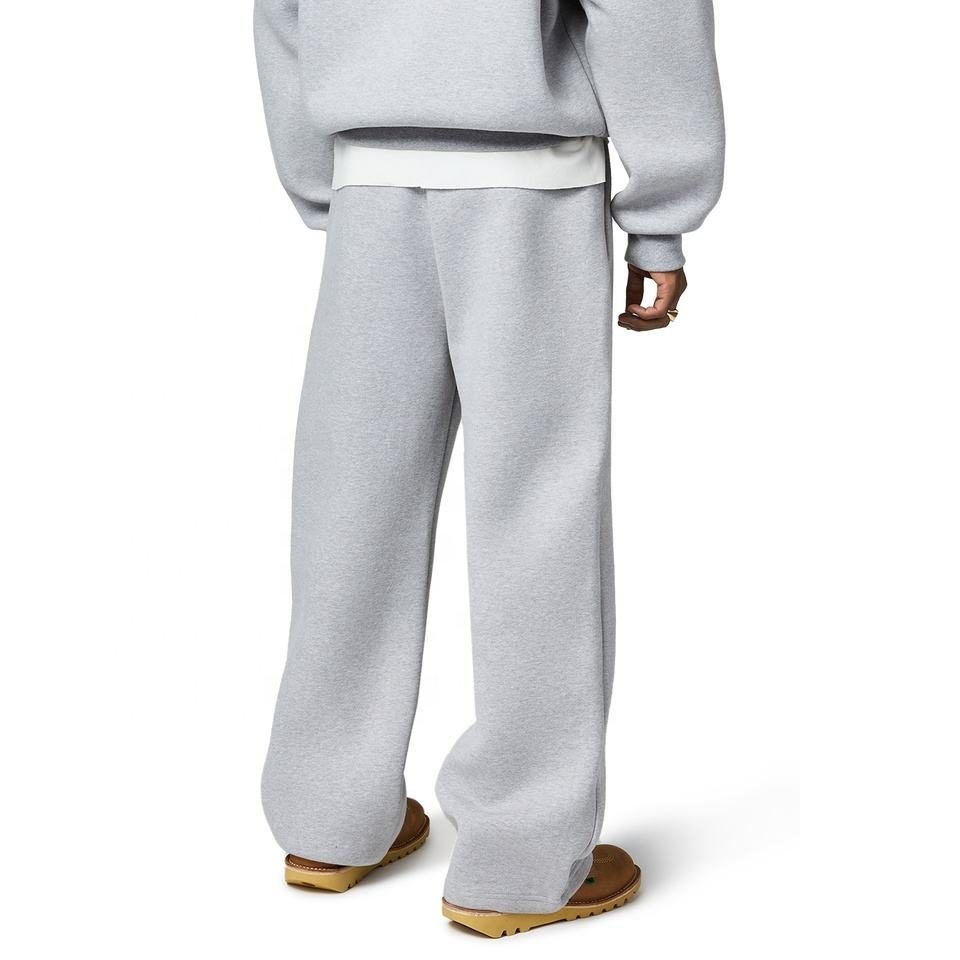
- Wear it for an hour and look at the knee — bagging shows whether the fabric has enough recovery
- Squat, sit, and climb stairs; check whether the waistband rolls or the crotch pulls
- Wash and dry it the way the care label instructs, then re-measure waist, inseam, and leg opening
- Check the cuff after washing: it should return close to its original height
- Compare the outside leg seam on both legs — a twisted seam is a cutting or sewing issue that repeats across a run
Recording those measurements before and after washing gives you a tolerance document, which is what a reorder should be checked against. Without it, "same as last time" is a verbal agreement and the second run drifts.
The full sequence from pattern to packing is covered in our manufacturing and production workflow, and the wider bottoms range, including denim and cargo, sits under custom bottoms manufacturing.
Building the Range Around One Block
Most successful sweatpant programmes start with one block and vary the details, rather than developing a new pattern for every style. A single block with a mid rise and a knee-down taper can carry an open-hem version, a cuffed version, and a heavier winter version without new fitting work.
What changes between them is fabric weight, cuff height, pocket treatment, and finish — garment wash, enzyme wash, or a pigment dye. Keeping the block constant also keeps sizing consistent across the range, which matters when a customer buys two styles in the same size and expects them to fit the same way.
Timeline. Sampling is quoted per style and typically takes 2–3 weeks. Bulk production for around 100 pieces usually runs about 3 weeks after sample approval, depending on the requirements and the factory schedule at that moment. Sampling fees are quoted separately, and can only be offset against bulk when the bulk volume is large enough, which is confirmed at quotation. International shipping is arranged by sea, air, or land. Both OEM and ODM development are supported from our Dongguan facility, which has more than 20 years of apparel production experience.
Frequently Asked Questions
What fabric weight works best for custom sweatpants?
Mid-weight loopback is the most versatile choice for streetwear: it holds a taper, recovers well, and suits most seasons. Brushed fleece suits heavier winter ranges, and lighter weights work for warm markets but need a straighter leg to avoid clinging.
Should the leg be tapered or straight?
It depends on the look you are selling. A knee-down taper reads modern and athletic, a straight leg reads relaxed and retro, and a wide leg needs heavier fabric to hold its shape. The taper point matters more than the amount of taper.
How do I stop cuffs from stretching out?
Specify a rib with adequate recovery and a fixed finished cuff height, then check both again after washing the sample. Cuffs that relax usually come from a low-recovery rib or from inconsistent stretch during attachment.
Do sweatpants need to be pre-shrunk?
Either the fabric is pre-shrunk or the finished garment is washed before packing. Without one of those steps, the garment changes size after the first home wash, which shows up as a length and waist complaint.
Can I use one pattern for several styles?
Yes, and it usually improves consistency. A single block with a mid rise and a knee-down taper can carry open-hem, cuffed, and heavier versions, with the differences handled through fabric, cuff height, and finishing.
What is the minimum order for custom sweatpants?
100 pieces per style, per color, with sizes mixable inside a color. Smaller trial runs can be discussed case by case depending on the style and construction.
How long does sampling take?
Sampling is quoted per style and typically takes 2–3 weeks. New patterns, custom rib development, or a wash programme can extend that window.
Next step. Send the leg line you want, your measurement chart, and the fabric weight, and you will get a quotation with a sampling plan. Contact our team and you will get a reply within one working day.