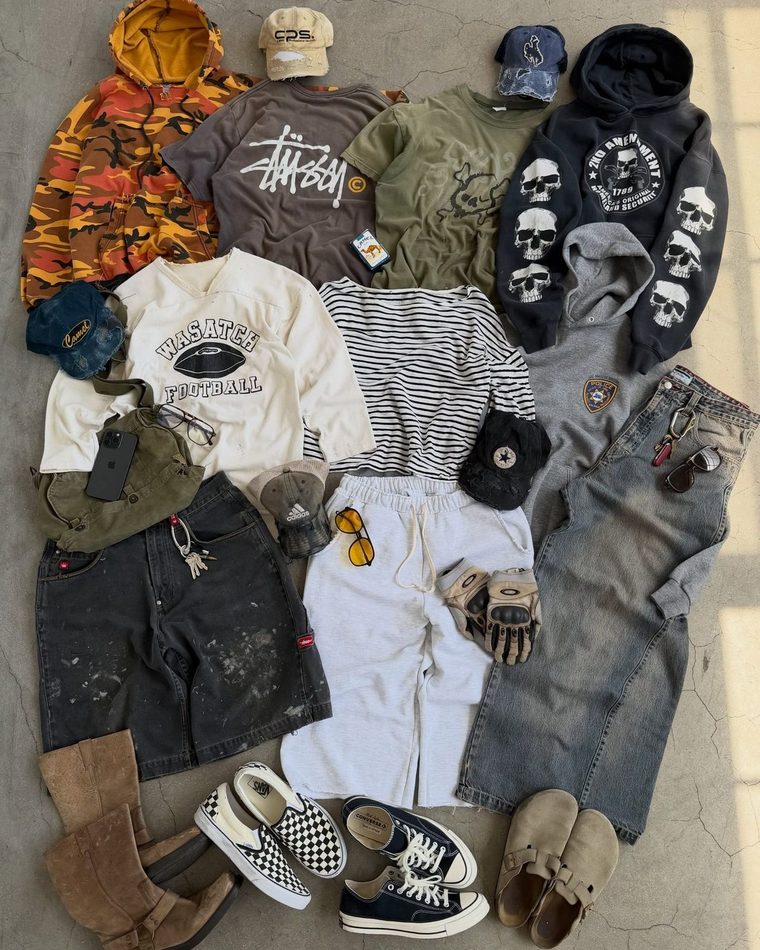
French Terry vs Fleece vs Loopback: Choosing Hoodie Fabric
Three hoodies can hang on the same rail, weigh the same, and still behave completely differently in wear. The difference is the back of the fabric: whether the loops are brushed, left alone, or built flat in the first place. That single decision sets the warmth, the drape, the hand feel, and how the garment looks after twenty washes.
French terry, brushed fleece and loopback are the three constructions most custom hoodies are built from. They are not grades of the same thing, and they are not interchangeable inside one size chart. Here is how each is made, what it does on a real garment, and how to write it into a specification so the bulk matches the sample.
Key Takeaways
- French terry keeps the knitted loops on the inside unbrushed, so it is lighter, smoother and more breathable than fleece.
- Brushed fleece starts as the same knit and then has the inner loops raised, which adds warmth and softness at the cost of bulk and pilling risk.
- Loopback leaves the loops visible and untouched, giving a firmer, more structured hand that holds shape through washing.
- Weight, composition and shrinkage allowance belong on the tech pack together with the fabric name; a stated weight alone does not identify a fabric.
- Approve the fabric on the garment, in the colour, at the weight you will produce — a swatch card cannot show drape.
How the Three Fabrics Are Built
All three begin on a circular knitting machine, and all three have a smooth face and a looped back. What separates them is what happens after knitting.
Loopback is the simplest construction: the loops stay exactly as the machine left them. Nothing is brushed, nothing is sheared. The result is a fabric with a visible terry back, a firm body and a slightly drier hand. It is the traditional sweatshirt construction, and it is the reason older athletic sweatshirts felt structured rather than plush.
French terry is knitted with a finer loop and a tighter gauge, so the inside is smoother than loopback while remaining unbrushed. Because the pile is low, the fabric stays relatively light and drapes softly. It is often used where a hoodie needs to feel like a heavy tee rather than a blanket — cropped shapes, summer-weight pullovers and relaxed fits where a bulky back would distort the silhouette.
Brushed fleece takes a terry base and runs the inside across a brushing cylinder, raising the fibres into a pile. That pile traps air, which is where the warmth comes from, and gives the soft, slightly fuzzy hand that most people associate with a hoodie. The same process makes the fabric thicker for a given yarn weight, and it is also the process that creates the surface most likely to pill over time, because the raised fibres are loose by design.
None of this is a quality ranking. A well-made loopback sweatshirt is a better garment than a poorly made fleece one, and the reverse is equally true. The construction has to match the job the garment is being asked to do.
What Each Fabric Does on a Real Hoodie
A hoodie is not a flat panel. It has a hood that must stand, a kangaroo pocket that must sit flat, ribbed cuffs and a hem that must recover, and a body that has to drape over the shoulders without collapsing. Fabric choice changes all of it.
On a heavyweight brushed fleece, the hood holds its shape with minimal interfacing and the body reads as substantial, which suits oversized silhouettes and cold-weather pieces. The trade-off is that the same fabric can look shapeless on a smaller, slimmer cut, and the extra thickness makes a large chest print sit stiffly unless the print is built for it.
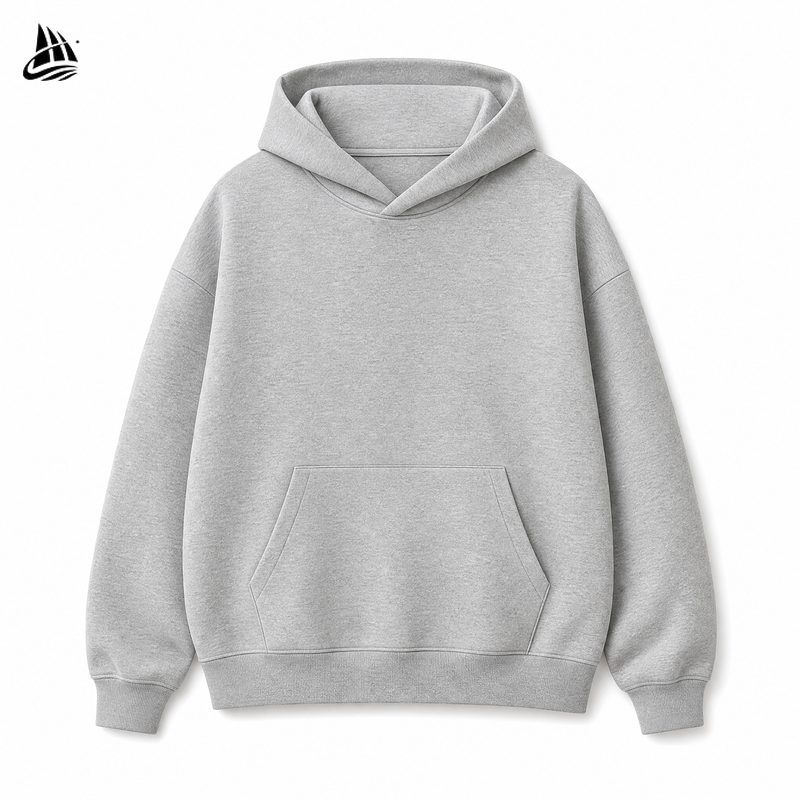
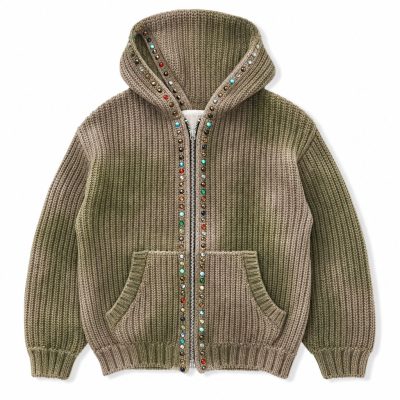
Above: a brushed fleece pullover in a mid weight. The hood stands without extra structure because the fabric itself has body — a useful reference point when specifying a heavier hoodie fabric.
On French terry, the hood usually needs a self-fabric lining or a light interlining to keep its shape, but the payoff is a garment that moves with the wearer and layers under a jacket. It is the construction that makes a hoodie wearable across more of the year, and it takes screen printing and embroidery cleanly because the surface is smooth and the fabric does not compress much under the needle.
Loopback sits between the two in warmth but is the firmest of the three in structure. Hoods stand well, pockets stay flat, and the garment keeps its shape through repeated washing, which is why it suits boxy and vintage-inspired cuts where a defined shoulder line matters. Its hand is drier, and buyers who expect a fleece-soft interior sometimes read that as lower quality until they see how the garment holds up.
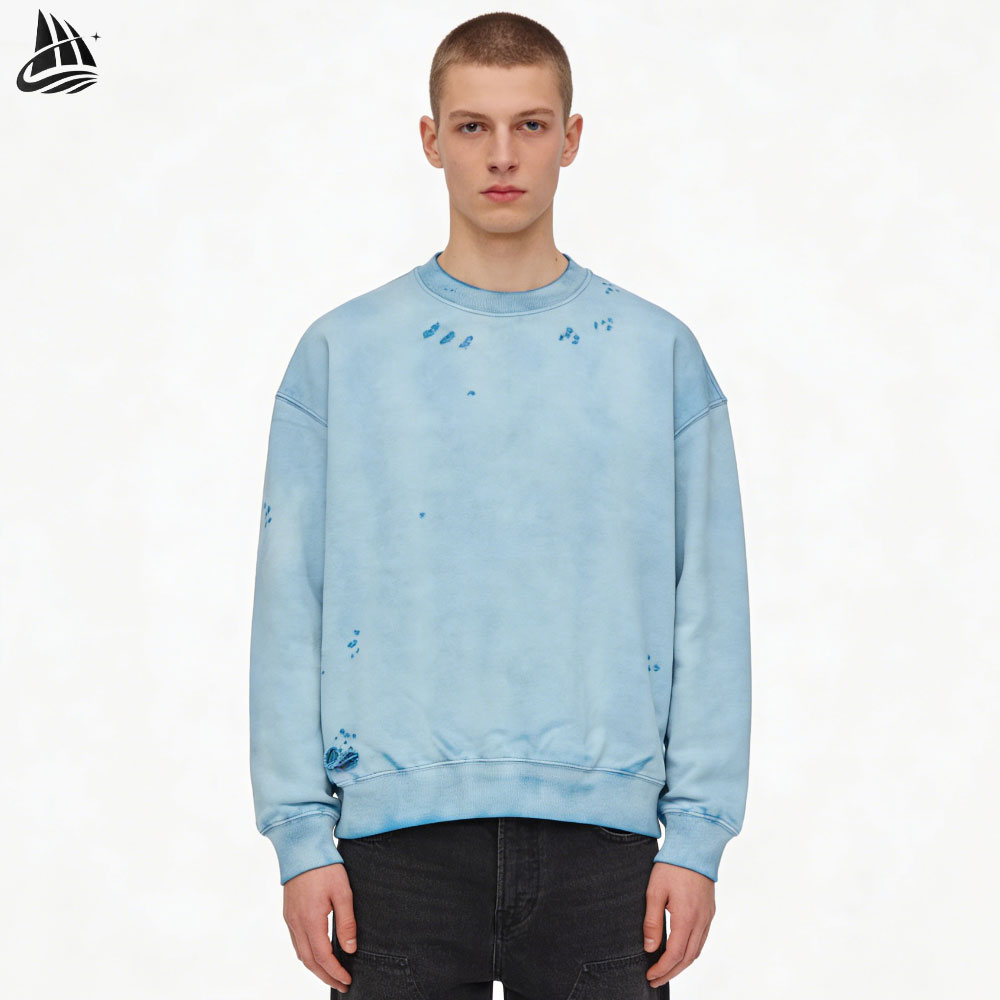
Above: a washed crewneck in the same family of knit. Once a garment is acid washed, the fabric surface changes, so the wash specification and the fabric specification have to be approved together.
Weight, Shrinkage and Hand Feel
Buyers usually start with a weight, and weight is a useful shorthand — light, mid and heavy covers most of the market — but it is a poor identifier on its own. Two fabrics at the same grams per square metre can differ in yarn count, loop height, brushing and shrinkage, and those differences are what the customer feels.
Shrinkage deserves the same attention. Cotton knits relax and shrink through washing, and the amount depends on the yarn, the knitting tension and whether the fabric was pre-shrunk before cutting. A hoodie that fits when it leaves the factory can be a size smaller after the first home wash if the allowance was not built into the pattern. The practical answer is to state the shrinkage allowance, cut to it, and confirm it with a wash test on the bulk fabric rather than assuming the sample's behaviour carries over to a new fabric lot.
Hand feel is the other variable, and it is where washing enters. Enzyme washing softens the surface and takes off some of the crispness of a new knit; silicone finishing adds a slicker touch that fades with wear. On loopback and French terry, a wash also opens up the loop structure slightly, which is why a washed and unwashed version of the same fabric can feel like two different products. Specify the finish, not just the fabric.
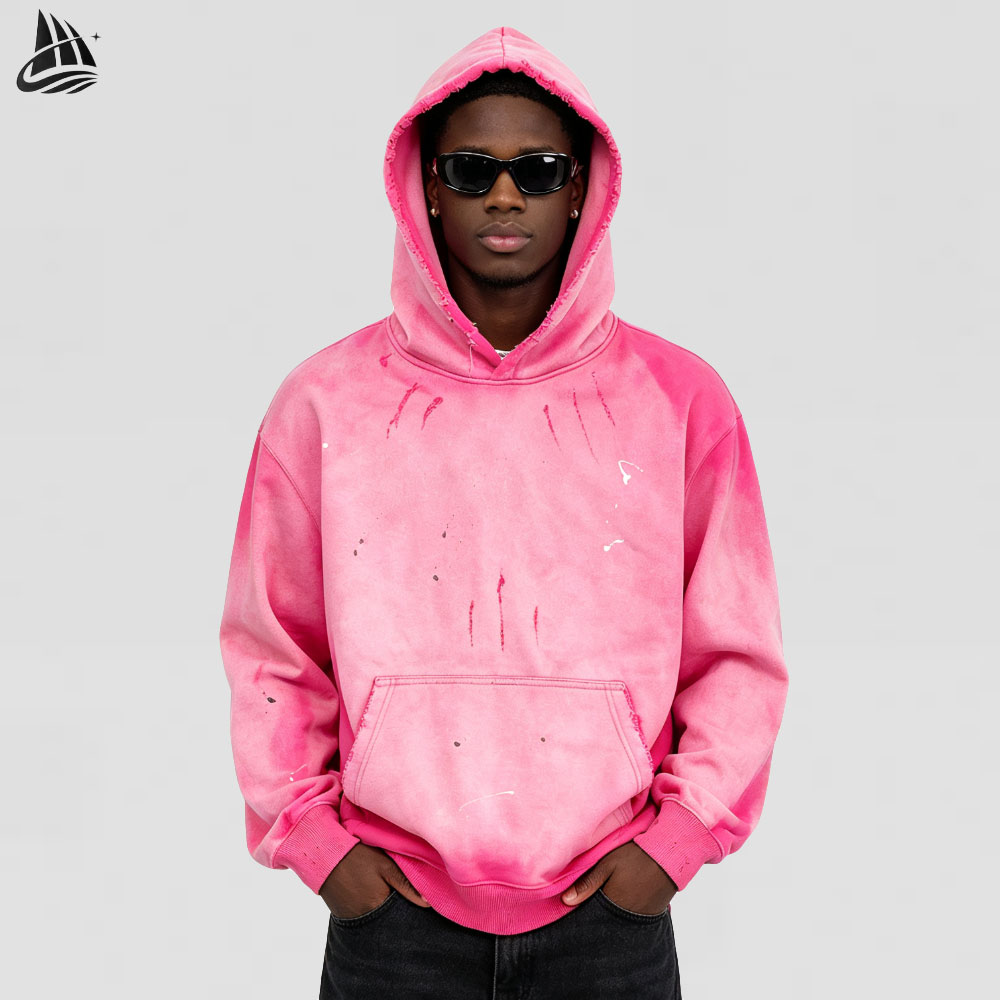
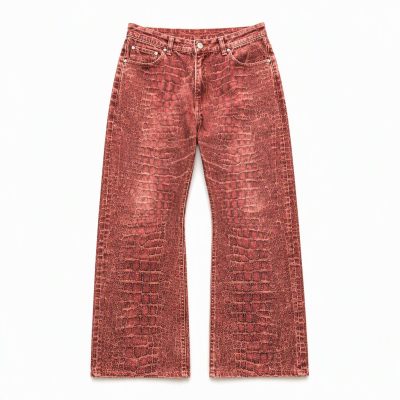
Above: a distressed, washed hoodie body. Distressing and washing change the fabric surface, so the fabric, the wash recipe and the print all need to be signed off in one approval rather than three.
Writing It Into the Tech Pack and the Sample
A fabric specification that a factory can produce from needs four things: the construction name, the composition, the weight with a tolerance, and the finishing. "Heavy fleece hoodie" is a description; "brushed back fleece, cotton-rich, mid-to-heavy weight, garment washed" is a specification. Add a physical swatch, and both sides are talking about the same cloth.
Colour belongs in the same document. Fabric is dyed in lots, and the approved lab dip is the reference a bulk lot is matched against — not a screen colour, and not the sample in the showroom. For washed styles, the wash recipe is part of the colour specification, because the same dye lot washed two ways gives two shades.
Sampling is where the fabric decision gets tested, and it is worth using the sample to check the things a photo cannot show: how the hood sits, whether the pocket bags lie flat, how the cuffs recover after stretching, and what the body does after a wash. Sampling runs two to three weeks, and the sampling fee is quoted up front; it can only be offset against bulk when the bulk volume is large enough to absorb it. Minimum order is 100 pieces per style, per colour, with sizes mixable inside a colour, and smaller trial runs can be discussed case by case.
Before bulk, confirm that the fabric lot being cut matches the sample lot. When it does not, the difference shows up in drape and shade rather than in a measurement report, and it shows up after the garments are sewn. The background on how fabrics are finished and washed sits in the site's notes on fabrics and production processes, and the sequence from sample approval to bulk is covered under manufacturing and production. Body styles that already suit these constructions are listed under custom tops.
FAQ
Which hoodie fabric is warmest?
Brushed fleece, at the same weight, because the raised inner pile traps air against the body. Loopback and French terry are unbrushed, so they conduct heat away more readily. Warmth also depends on weight and on how the garment is worn — a mid-weight brushed fleece worn over a layer is warmer than a heavy loopback worn alone, even though the loopback may feel more substantial in the hand.
Why does my hoodie pill?
Pilling is the raised fibres of a brushed back working loose and tangling into small balls, usually where the fabric rubs: under the arms, at the cuffs, and across the front where a bag strap sits. It is a normal behaviour of brushed fabric rather than a defect, and it reduces after the first few washes. Lower-pilling fleece exists, and a tighter knit with a shorter brush reduces it, at some cost to softness.
Is French terry good for summer hoodies?
Yes. Because the inner loops are left unbrushed and the loop is finer, French terry is lighter and breathes better than fleece at a comparable weight, which suits spring and summer pieces, cropped hoodies and lightweight layering. It also drapes softly, so it works with relaxed and oversized cuts where a bulky brushed back would make the garment feel heavy.
Can you print and embroider on all three fabrics?
Yes, with different considerations. Smooth French terry takes fine screen printing and dense embroidery cleanly. Brushed fleece compresses under the needle, so embroidery needs a suitable backing and a design that tolerates the pile. Loopback is the firmest and holds stitch definition well. On any washed or distressed body, the print or embroidery should be approved after the wash, on the finished garment.
How do I keep the fabric consistent across a reorder?
Keep the approved swatch, the composition, the weight, the finishing and the lab dip with the order file, and match the repeat run to those references rather than to the last bulk shipment alone. If the original fabric lot is no longer available, the new lot is matched to the approved standard and re-approved on a swatch, and if the finish changes, the colour approval has to be repeated with it.
Do you supply fabric or work with fabric I nominate?
Both routes exist. On customer-nominated fabric, the specification and the lot references come from you, and the factory confirms that the fabric can be cut, sewn and finished as specified before sampling. On fabric sourced through the factory, the construction, weight and finishing are agreed from a swatch and confirmed on the sample, so the bulk order is matched against a physical reference both sides hold.
Next step. Send the construction you have in mind, the weight and the wash you want, and the fabric position will be confirmed with the sampling timeline before anything is cut. Contact our team to start the review.