From Fabric to Finish: Inside INFULLSAIL's Custom Apparel Manufacturing Process
Key Takeaways
- Custom apparel production runs through eight stages: fabric sourcing, pattern making and grading, cutting, sewing, washing and finishing, printing and embroidery, quality inspection, and packing and shipping.
- Every stage has one or two details worth confirming in writing, because small misunderstandings at the start become expensive corrections at the end.
- Sampling sits inside these stages — it is how the fit, fabric and decoration are locked before bulk production begins.
- INFULLSAIL is a Dongguan-based OEM and ODM clothing manufacturer with more than 20 years of apparel experience, supporting brands with a standard MOQ of 100 pieces per style, per color.
Every custom garment that leaves a good factory follows the same path, from a roll of fabric to a packed carton ready for export. The stages do not change much between suppliers, but the discipline inside each stage does. This guide walks through the process step by step and highlights what buyers should confirm at each one, so your launch calendar and your quality expectations stay aligned with production.
A well-run factory treats these stages as checkpoints rather than one long relay. That is why an achievable production deadline in custom apparel is built backwards from the sample approval date, not forwards from the day you send your designs.
1. Fabric Sourcing and Development
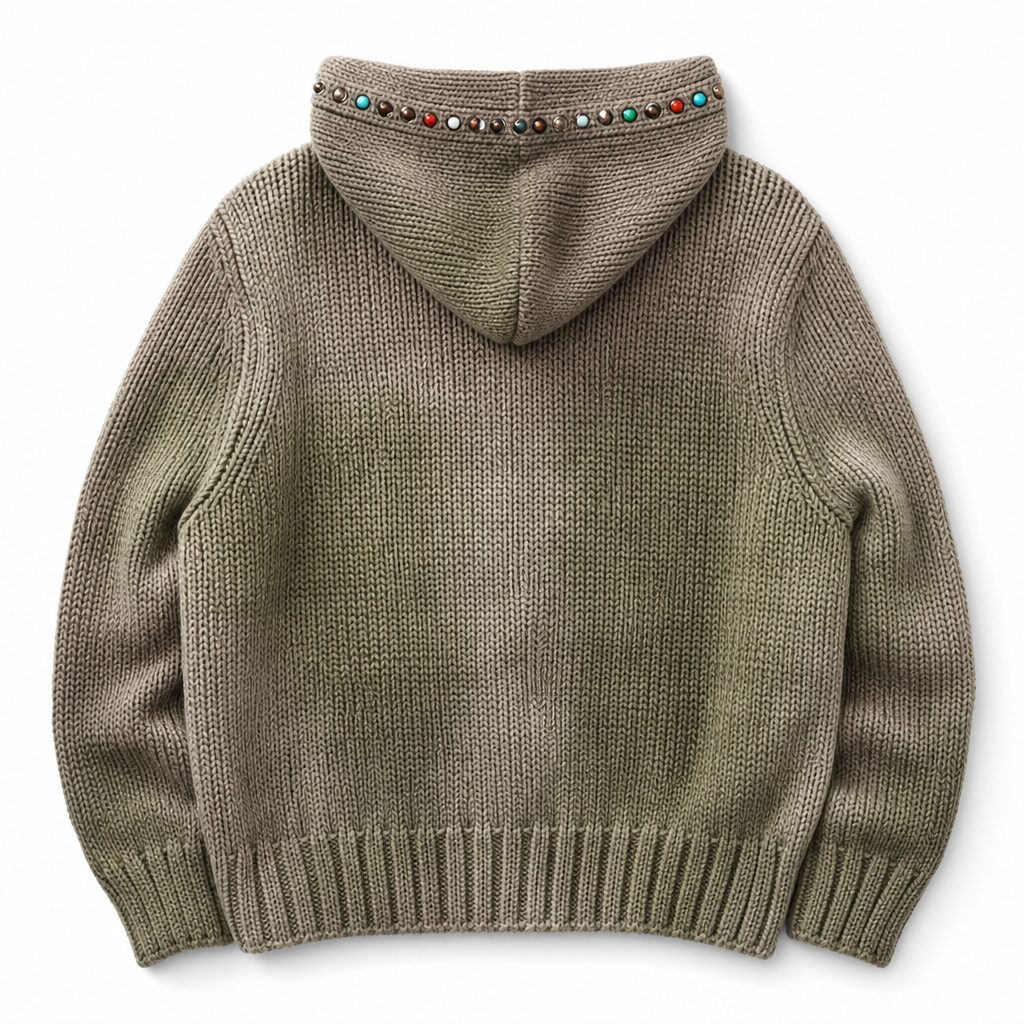
Everything starts with the fabric, because composition and weight decide how the finished garment drapes, holds its shape and survives repeated washing. Sourcing covers the base cloth, the ribbing, the trims, the threads and the labels that all have to be colour-matched to the final dye lot.
Buyer focus. Confirm the fabric composition and weight in writing, and ask which finished fabric will be used for your sample. If you need a special weight, texture or finish, ask whether it can be developed rather than substituted. Fabric is usually the longest lead item in the chain, so it is also the first place a launch date can slip.
2. Pattern Making and Grading
The pattern is the geometry of your garment. A pattern maker translates your tech pack, sketch or reference garment into a base size pattern, then grades it up and down so that the fit is consistent across the size run. For oversized or drop-shoulder silhouettes, grading is deliberately non-linear: the shoulder drop and body volume are adjusted differently from a standard fit.
Buyer focus. Confirm which size is the base for grading, and review the measurement sheet before cutting. If your design is a new silhouette rather than a variation on an existing one, expect the pattern to be developed and tested on a fit sample first.
3. Cutting
Once the pattern and the fabric are approved, fabric is relaxed, spread in layers and cut into panels. Relaxing the roll before cutting matters more than most brands realise: knit fabric that is cut while still under tension can shrink or distort after the first wash, which throws out every measurement in the size chart.
Buyer focus. Ask how the fabric is handled before cutting and how panels are matched for shade and direction. For printed or washed fabrics, confirm how panels are aligned so seams and prints line up across the garment.
4. Sewing and Construction
Sewing turns flat panels into a wearable garment. Construction choices decide how the piece behaves in wear: the seam type, the stitch density, the reinforcement at stress points like pockets and armholes, and the way ribbing is attached at the cuffs and hem.
Buyer focus. Confirm the construction details in your tech pack — seam type, stitch count, and how premium details such as a double-layer hood or reinforced pocket openings are executed. These decisions are economical to change before production and expensive to change afterwards, which is why they belong in the sample review.
5. Washing and Finishing
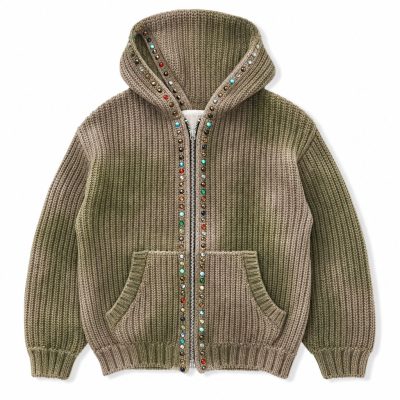
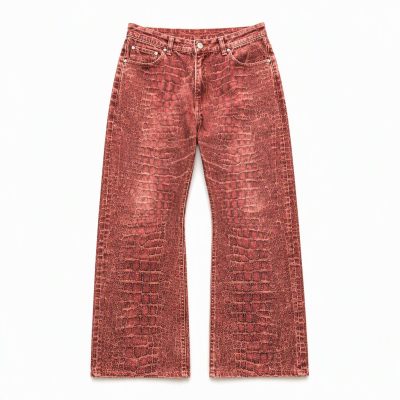
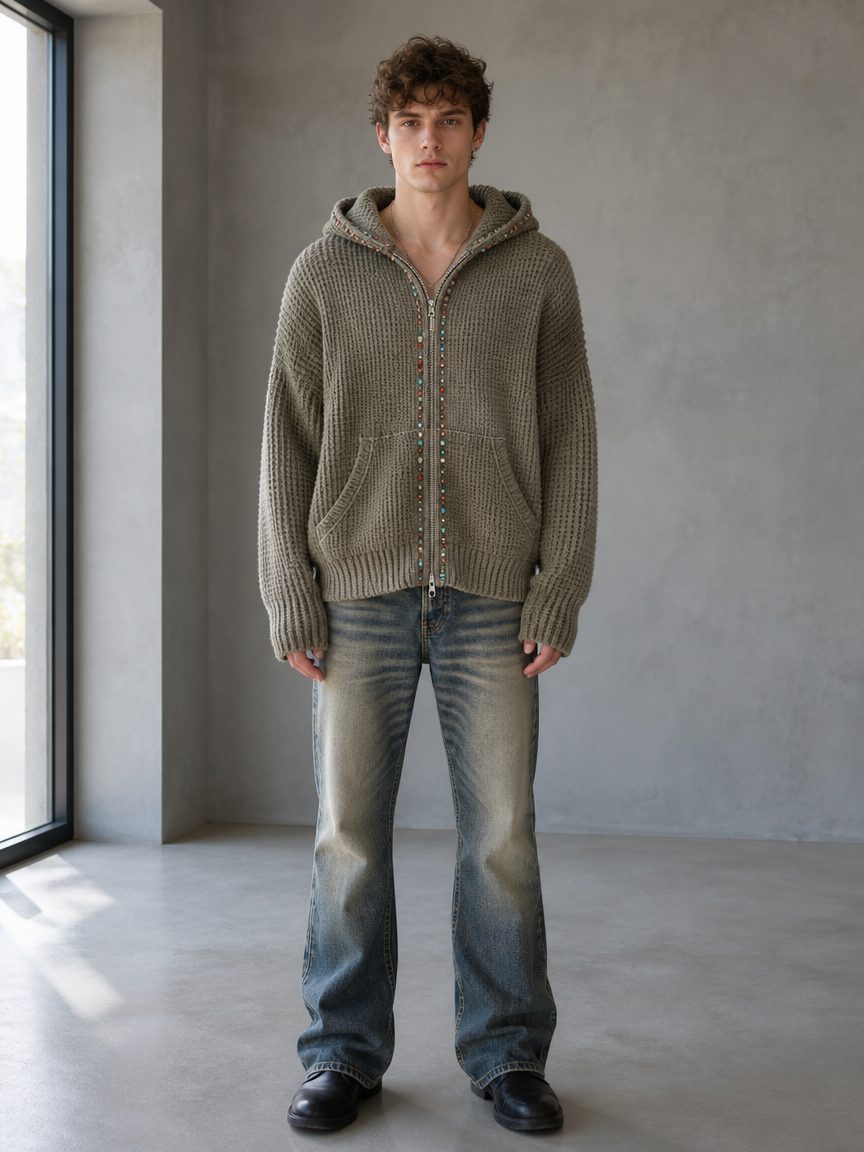
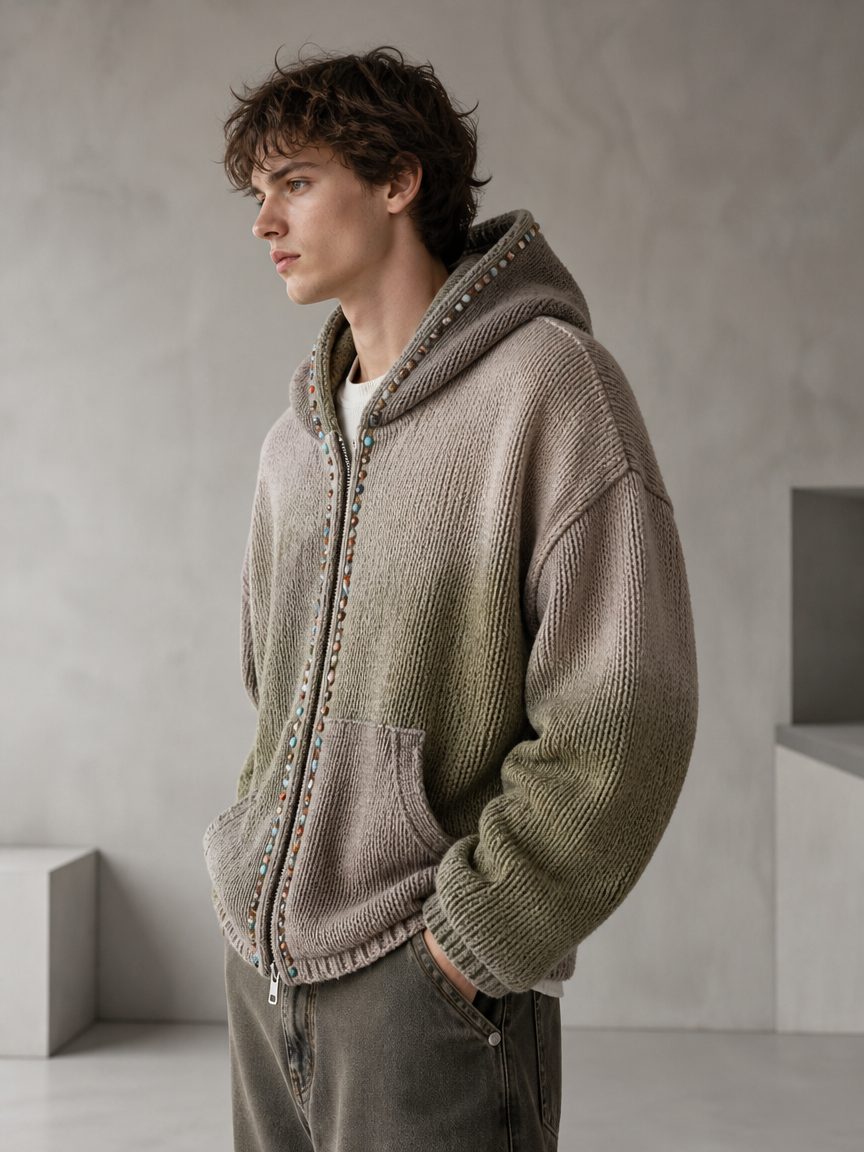
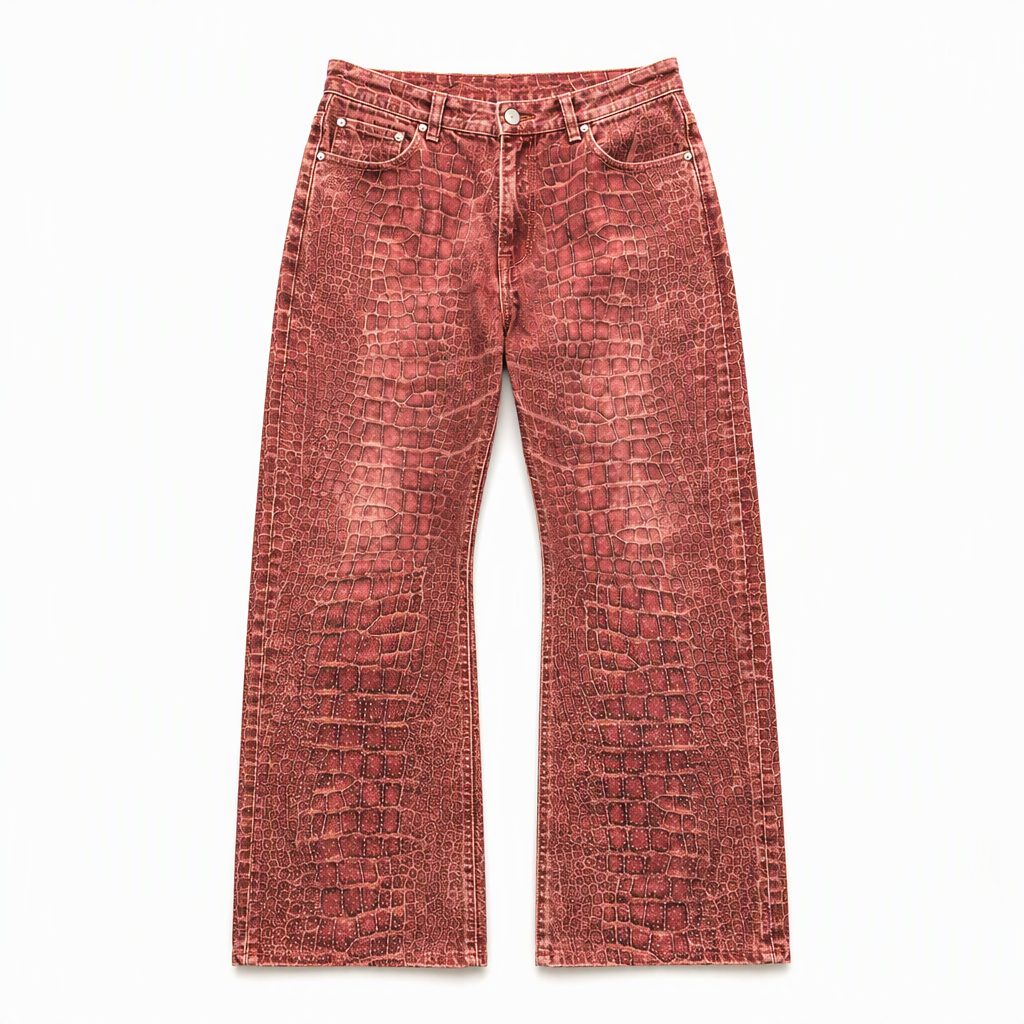
For vintage and streetwear programs, washing is often what makes the product. Garment washing softens the fabric and adds an authentic, lived-in feel, while techniques such as enzyme washing, pigment dyeing and distressing build the faded character brands are looking for. Finishing covers pressing, trim clean-up and any hand-worked details before the garment moves on.
Buyer focus. Approve the wash on a sample made from your actual fabric, because the same recipe behaves differently on different weights and blends. Confirm how the wash affects trims, thread colour and final measurements.
6. Printing and Embroidery
Decoration is where the garment becomes your product. Screen printing, DTG, puff print, heat transfer, patches and embroidery each suit different artwork, fabrics and quantities. Placement and scale also need to be developed for the silhouette: a graphic that works on a standard tee often needs to be resized and repositioned on an oversized body.
Buyer focus. Confirm the decoration method, the artwork scale and the exact placement, and ask for the decoration to be shown on the pre-production sample.
7. Quality Inspection
Quality control is a process, not a final glance. A solid system inspects fabrics and trims before cutting, checks garments during sewing and decoration, and reviews finished pieces against the approved sample before packing — measuring key points, trimming loose threads and checking print and embroidery quality.
Buyer focus. Ask what is inspected at each checkpoint and how defects are handled if they are found. The approved sample is the standard the whole order is measured against. If a problem does appear, it is far better to catch it during production than after the cartons are sealed.
8. Packing and Shipping
The last stage protects everything you paid for. Garments are folded, bagged, labelled and packed into export cartons according to your instructions, then shipped by sea, air or land depending on your timeline and budget. Clear carton labelling and packing lists make receiving and inventory much easier on your side.
Buyer focus. Confirm the packing method, the carton configuration and the labelling you need. Ask for a clear production and shipping schedule so your launch date is planned against real dates. Export documentation and freight coordination are handled as part of the order, so you are not left arranging shipping on your own.
You can read more about how these stages connect on our manufacturing and production page, explore fabrics and processes, or see how we develop retro clothing manufacturing solutions for streetwear brands.
Frequently Asked Questions
How long does the whole process take?
Sampling is usually completed within one to two weeks. Bulk production generally runs three to four weeks after you approve the sample, depending on the style and order size, and shipping time is added on top.
At which stage do I approve the product?
You approve the sample before bulk production. That approved sample — including fabric, fit, colour and decoration — becomes the standard the entire order is checked against.
Can I use my own fabric or supplier?
You can specify the fabric you want, and we also source and develop fabrics for you. Composition, weight and finish are confirmed in writing before sampling so there are no substitutions.
Do you produce both small batches and repeat orders?
Yes. Our standard MOQ is 100 pieces per style, per color, and we support repeat orders at the same minimum so a proven style can be restocked without renegotiating quantity.
What do you need from me to start?
A tech pack, a sketch or a reference garment is enough to begin. Measurements, material specifications, colours and artwork placement help us quote and sample accurately from the first round.
Start Your Production with a Clear Plan
Send INFULLSAIL your design, reference image or tech pack. Our team reviews the construction, fabric and craftsmanship requirements before preparing a tailored quotation with a clear sampling schedule. Request a Custom Quote, or look at the custom tops we produce for brands worldwide.
Frequently Asked Questions
What is the MOQ for custom apparel?
Our standard MOQ is 100 pieces per style, per color, and it applies to each individual style you order rather than the total across a collection. Sizes can be mixed within one colorway to reach the minimum, which makes a first production run practical for new brands. Different colours are treated as separate orders, because each colour involves separate fabric or dye lots, cutting and setup. For brands launching a first collection, that means you can start with one or two styles, prove the fit and the fabric with real customers, and expand the range once the data supports it. We confirm the minimum for each style in the written quotation.
Can I start with a small trial order before bulk production?
Yes. With a minimum of 100 pieces per style, per color you can run a focused trial order before committing to larger volumes. This is the approach we usually recommend for a new season: pick one or two core styles, approve the sample, and test how they perform with your customers before scaling. Once a style sells, reorders follow the same minimum, which keeps restocking predictable. Keeping the first run simple, with fewer styles, colours and decoration placements, means faster production and a clearer read on demand. You can extend the range in the next order with confidence.
How is the unit price calculated for different order volumes?
Unit price depends on fabric and weight, construction and fit complexity, decoration such as printing, embroidery or washing, labels and packaging, and the total quantity you order. Fixed elements including pattern development, machine setup and finishing preparation are spread across the number of pieces, so larger volumes normally bring a lower unit price. Because every project uses different materials and processes, we prepare an itemized quotation rather than publishing fixed price tables. Send your design and two or three target quantities and we will show how the unit price changes across those levels so you can plan your budget realistically.
Have another question? Request a Custom Quote