How to Choose a Low MOQ Streetwear Manufacturer
What Is a Low MOQ Streetwear Manufacturer?
Choosing the right production partner is one of the most important decisions a streetwear brand makes. For emerging labels, the biggest barrier is usually the minimum order quantity (MOQ): the smallest number of units a factory will produce for one design. Traditional factories often require several hundred or even a thousand pieces per style, which forces young brands to tie up capital in inventory before they know what will sell.
A low MOQ streetwear manufacturer changes that equation. By accepting smaller orders, it lets you launch capsule collections, test designs and colorways, and gather real market feedback before scaling up. INFULLSAIL is a Dongguan-based OEM and ODM clothing manufacturer with more than 20 years of apparel production experience, built around a standard MOQ of 100 pieces per style, per color, plus the sampling, quality control and international shipping services that make small-batch production practical for brands worldwide.
Why Low MOQ Matters for Streetwear Brands
Streetwear trends move quickly, and agility is a competitive advantage. With a low MOQ you can produce smaller batches of several styles instead of betting your entire budget on one design. If a product sells out, you reorder a proven winner; if it does not, the loss is contained. Lower minimums reduce financial exposure, protect cash flow and allow more frequent drops that keep your audience engaged.
There is a trade-off to understand: smaller orders usually carry a higher cost per unit, because fixed costs such as pattern making and machine setup are spread across fewer pieces. That premium is often worth paying in exchange for lower inventory risk and a smaller total investment. As your brand grows and order volumes increase, the cost per unit typically comes down.
INFULLSAIL's Standard MOQ: 100 Pieces Per Style, Per Color
INFULLSAIL's standard MOQ is 100 pieces per style, per color, providing a practical starting point for customized production. It is low enough to empower startups and growing brands to launch new products without excessive risk, yet substantial enough to keep production stable, quality consistent and fabric sourcing efficient.
"Per style, per color" is an important detail. If you want a hoodie in three colors, the minimum means 100 pieces of each colorway, and sizes can usually be mixed within that total. Our team confirms exactly how the MOQ applies to your project before you commit, so there are no surprises.
For startups, this low barrier to entry means you can launch a first collection, learn from customer feedback and refine your next drop with real data. For growing brands, low MOQs support limited-edition capsules, new categories such as vintage-washed garments and complex embroidery, and the kind of steady, community-driven releases that build hype without leaving you buried in stock.
How to Evaluate a Low MOQ Streetwear Manufacturer
A low MOQ is only the starting point. The right partner also has to deliver quality, communicate clearly and price honestly. Judge candidates on these fundamentals.
Quality and Consistency
Streetwear buyers expect durable fabrics, precise stitching and prints that last. One inconsistent batch can damage a reputation, so ask how the factory controls quality. A serious manufacturer inspects incoming materials, checks garments during production and reviews finished pieces before packing, and can explain each checkpoint clearly.
Sampling Ability
Samples are the most reliable proof of a manufacturer's capability. A sample lets you verify fit, fabric hand-feel, colors and craftsmanship before bulk production, and the approved sample becomes the benchmark the final order must match. A structured sampling process, with clear costs and timelines, is a sign of a professional operation.
Material Knowledge
Fabric defines how a garment looks, drapes and lasts. Discuss composition and weight openly: a heavyweight hoodie needs substantial fleece or French terry, while a tee should hold its shape wash after wash. Do simple hands-on checks, such as feeling the weight and drape, holding the fabric to light to check transparency, and stretching it to test recovery. A good manufacturer advises on suitable materials for your style, season and budget, and can source what you specify.
Communication and Track Record
Technical skill means little if the factory is hard to reach. Evaluate responsiveness from the first inquiry: prompt, clear answers now usually mean smooth production later, while vague replies and long silences are red flags. Ask for past work in your category and, if possible, references. An experienced streetwear manufacturer understands durable hoodie construction, heavyweight fabrics, printing and embroidery, and can execute designs to a high standard.
Understanding the Real Cost
The unit price is only part of the total cost of bringing a garment to market. Work with the full picture:
- Sampling: most manufacturers charge for samples and revisions, so confirm the fee in advance.
- Fabric and trims: fabric is usually the largest single cost component, and the exact share varies with the material you choose.
- Design complexity: more seams, panels and special finishes mean more labor and a higher price.
- Decoration and packaging: printing, embroidery, custom labels and packaging all add to the total.
- Shipping and duties: freight and import fees vary by country and delivery method.
Request a written quotation that itemizes production, materials, sampling, decoration and shipping, and be wary of quotes that seem too good to be true: hidden charges usually appear later. Providing a detailed tech pack with sketches, measurements, material specifications and artwork files lets the manufacturer price your design accurately from the start.
Customization, Fabrics and Craft
Streetwear succeeds on originality, and the right manufacturer supplies the tools to realize it. INFULLSAIL offers OEM and ODM services covering pattern development, fabric sourcing, vintage washing, printing, embroidery and private label. If you are unsure which options suit your concept, a good manufacturer advises honestly instead of upselling, and reviews every design for production feasibility before quoting.
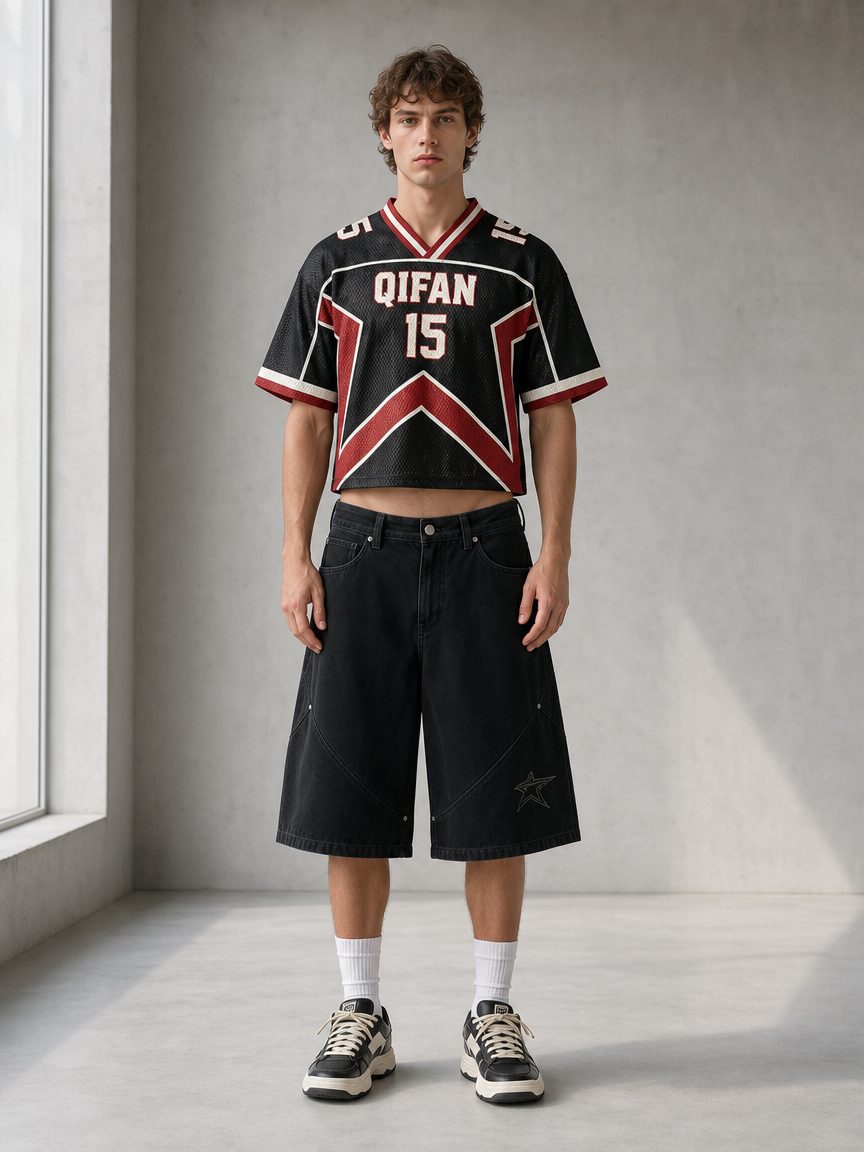
- Silhouette and fit. Oversized, boxy, cropped and drop-shoulder patterns developed from your tech pack, sketches or reference garments.
- Fabric selection. Heavyweight cotton, French terry, fleece, denim and washed fabrics, chosen for your style and budget.
- Washing and finishing. Vintage washes, enzyme washing, distressed effects and pigment dyeing that give streetwear its character.
- Private label. Woven neck labels, hang tags and custom packaging that carry your own brand identity.
Vintage Washing and Finishing
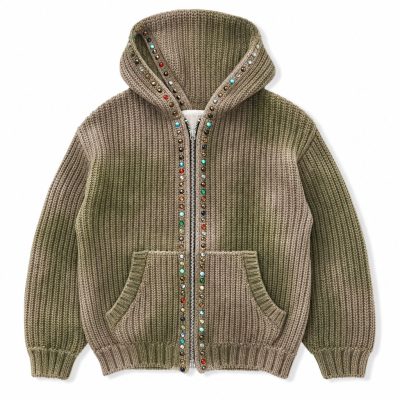
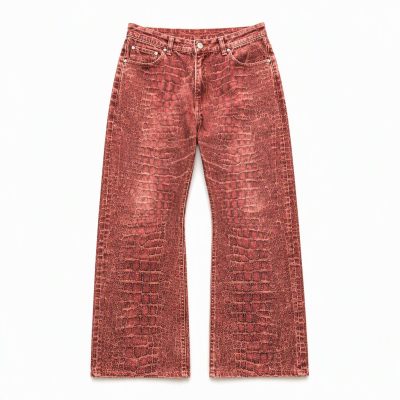
For retro streetwear, the wash is often the product. Garment washing softens fabric and gives it an authentic lived-in feel, while enzyme washing, pigment dyeing and distressed effects create the faded, worn character that defines vintage-style apparel. These finishes require experience to control consistently across a whole order, so ask the manufacturer about its washing capability and request wash samples early in development.
Cut-and-Sew and Embroidery
Cut-and-sew manufacturing creates a garment from raw fabric using your own pattern, giving you complete control over fit, silhouette, seams and fabric. It is how you build a signature piece that cannot be found anywhere else. Embroidery adds a premium, textured finish to logos and graphics, with options such as flat embroidery for crisp marks and three-dimensional puff embroidery for a raised effect popular on hoodies and headwear.
Printing Methods
The printing technique affects the look, feel and cost of every piece. Common options include screen printing for bold, graphic designs in larger runs; direct-to-garment printing for detailed, multi-color artwork on cotton; and direct-to-film, which works across many fabric types. An experienced partner recommends the right method for your artwork, fabric and quantity rather than pushing a single solution.
Sampling, Quality Control and Production
Once design, fabric and customization are agreed, execution decides the outcome. A well-managed process covers sampling, quality control and a realistic production schedule.
The Sampling Process
Sampling turns your idea into a physical garment you can evaluate. Development usually progresses from an initial prototype that tests pattern and construction, to a fit sample that confirms sizing, and finally to a pre-production sample made with the exact bulk fabric, trims and labels. That final approved sample becomes the golden standard for the entire order. Sampling is charged separately at INFULLSAIL, with the fee quoted in advance, and samples are typically completed within one to two weeks.
Each round is a chance to refine fit, seams and print quality. When you receive a sample, check it the way your customer would: try the fit, feel the fabric, examine the print or embroidery colors under normal light, and confirm any wash effect matches your reference. Clear feedback, with photos, measurements and specific notes, makes revisions fast and prevents costly errors in bulk. Expect the number of sample rounds to depend on the design; what matters is that you approve the final sample before production begins.
Quality Control
Consistent quality comes from checks at every stage, not a single final look-over. A solid system includes inspection of fabrics and trims before cutting, in-line checks during sewing and decoration, and a final review of finished garments against the approved sample before packing. If your project requires specific material or compliance documentation, confirm availability with the manufacturer before ordering.
Production Timelines and Shipping
Lead times vary with fabric availability, design complexity and order quantity, so confirm a schedule before starting. At INFULLSAIL, bulk production typically runs three to four weeks after sample approval, and we keep you updated through each stage. For shipping, sea freight is the economical choice for larger, less urgent orders, while air freight suits urgent restocks; we ship worldwide and provide tracking and export support. Building a buffer into your launch calendar protects you against delays beyond anyone's control.
Buyer's Checklist
Run through this list before committing to a manufacturer:
- Does the factory specialize in your product category, such as heavyweight hoodies or vintage-washed streetwear?
- Is the MOQ clearly defined per style, per color, and are reorders supported at the same minimum?
- Can you review past work and physical samples, including seam and finishing quality?
- Is the sampling process structured, with transparent fees and timelines?
- Is pricing itemized, covering production, materials, sampling, decoration and shipping?
- Can the manufacturer explain its quality control checkpoints at each production stage?
- Does communication feel responsive and professional from the first message?
- Can it source the fabrics and trims your designs require?
Watch for red flags: slow or vague communication, prices far below other quotes, refusal to share samples or factory information, poorly made samples, and demands for full payment upfront from a new client. None of these are worth the risk.
FAQ: Low MOQ Streetwear Manufacturing
What is a low MOQ in the streetwear industry?
A low MOQ generally means production starting at around 100 pieces per style or fewer, compared with traditional factory minimums of 500 to 1,000 pieces or more. It lets startups and emerging brands test designs and manage inventory without a huge upfront investment.
Does a low MOQ mean lower quality?
No. Order size and quality are separate matters. A reputable manufacturer applies the same materials, construction standards and quality checks to small orders as to large ones. The real trade-off of a low MOQ is a higher cost per unit, not lower quality.
Can I mix sizes and colors within one MOQ?
Sizes can usually be mixed within a single style and color to reach the minimum. Different colors of the same style are normally treated as separate orders, each meeting the MOQ. At INFULLSAIL, the standard MOQ is 100 pieces per style, per color, and we confirm the details before you commit.
What affects the cost of a custom garment?
Fabric is typically the largest cost component, though the share varies with the material chosen. Design complexity, decoration, custom labels, packaging and order quantity also influence price. Request a project-specific quotation for an accurate figure.
What documents do I need to provide?
A tech pack gives the manufacturer everything needed for accurate quoting and sampling: flat sketches, a size chart, material specifications such as fabric type and weight, construction details, and artwork files with placement and dimensions for prints or embroidery. If you do not have a tech pack, many manufacturers, including INFULLSAIL, can work from sketches or reference images and help you develop the specifications.
Choose a Partner That Grows With You
Selecting a low MOQ streetwear manufacturer is about finding a long-term partner, not just a supplier. Look for transparent MOQ policies, relevant experience, reliable sampling, genuine quality control and honest communication, and you will have a team that supports your brand from the first 100 pieces to your largest collection.
Ready to develop your next streetwear collection? Send INFULLSAIL your design, reference image or tech pack. Our team will review the product structure, fabric, craftsmanship and quantity requirements before preparing a tailored quotation.
Explore more: Retro Clothing Manufacturing Solutions | Fabrics and Processes | Manufacturing and Production | custom tops manufacturing | custom oversized hoodie sourcing guide
Frequently Asked Questions
What is the MOQ for custom apparel?
Our standard MOQ is 100 pieces per style, per color, and it applies to each individual style you order rather than the total across a collection. Sizes can be mixed within one colorway to reach the minimum, which makes a first production run practical for new brands. Different colours are treated as separate orders, because each colour involves separate fabric or dye lots, cutting and setup. For brands launching a first collection, that means you can start with one or two styles, prove the fit and the fabric with real customers, and expand the range once the data supports it. We confirm the minimum for each style in the written quotation.
Can I start with a small trial order before bulk production?
Yes. With a minimum of 100 pieces per style, per color you can run a focused trial order before committing to larger volumes. This is the approach we usually recommend for a new season: pick one or two core styles, approve the sample, and test how they perform with your customers before scaling. Once a style sells, reorders follow the same minimum, which keeps restocking predictable. Keeping the first run simple, with fewer styles, colours and decoration placements, means faster production and a clearer read on demand. You can extend the range in the next order with confidence.
How is the unit price calculated for different order volumes?
Unit price depends on fabric and weight, construction and fit complexity, decoration such as printing, embroidery or washing, labels and packaging, and the total quantity you order. Fixed elements including pattern development, machine setup and finishing preparation are spread across the number of pieces, so larger volumes normally bring a lower unit price. Because every project uses different materials and processes, we prepare an itemized quotation rather than publishing fixed price tables. Send your design and two or three target quantities and we will show how the unit price changes across those levels so you can plan your budget realistically.
What is the difference between sample and bulk pricing?
Samples are one-off development pieces, so their unit cost is higher than bulk production. A sample involves pattern development, decoration or wash setup and a small run, while bulk pricing spreads those costs across the full order quantity. We quote the sampling fee separately and confirm it before development starts, and the number of included revision rounds is confirmed in the sampling quotation. Once you approve the sample, we quote the bulk unit price for your quantity. If your bulk order qualifies in size, the sample fee can be credited after the bulk order is placed, with the terms confirmed in your quotation.
Have another question? Request a Custom Quote