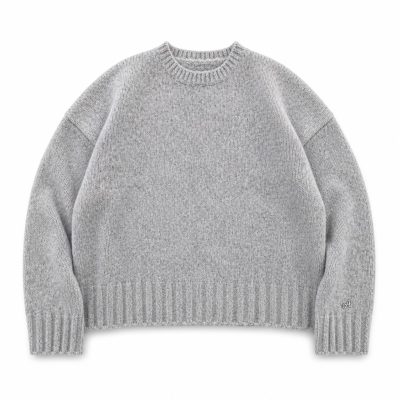
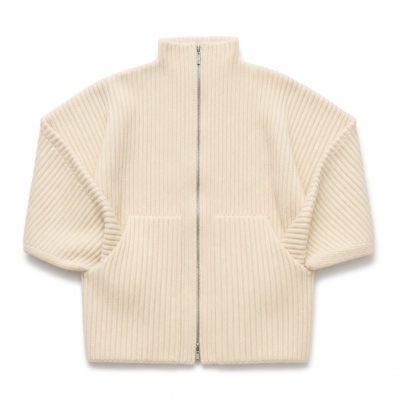
OEM vs ODM Clothing Manufacturing: Which Fits Your Brand?
Most brands compare manufacturers on price and MOQ and never ask the question that actually shapes the project: who develops the product? That one answer separates the two working models in apparel — OEM and ODM — and it decides how much of the design you own, how quickly you can launch, and what you pay for before the first unit is even cut.
This guide explains what OEM and ODM mean in clothing manufacturing, where the two models split, and how to choose the one that matches the brand you are building. It is written for streetwear labels placing a first or repeat production order.
Quick answer: In OEM (original equipment manufacturing) you bring the design — tech pack, patterns or reference samples — and the factory builds to your specification and branding. In ODM (original design manufacturing) the factory already owns developed designs and patterns; you select from them, adjust details, and apply your branding. OEM gives you ownership and control; ODM gives you speed and lower development cost. Many brands run both: ODM silhouettes for fast drops, OEM development for signature pieces. The standard MOQ is 100 pieces per style, per color, whichever route you take.
Key Takeaways
- OEM and ODM differ first in who owns product development: you, or the manufacturer.
- ODM shortens time to market because patterns, fit and grading are already proven — useful when your differentiation comes from branding, colour and decoration rather than a new block.
- OEM costs more development time but gives you patterns nobody else can buy in the same form, and a fit you control.
- Both models need the same discipline: an approved sample, written measurement tolerances, a wash and decoration specification, and an agreed inspection standard.
- INFULLSAIL is a Dongguan-based OEM and ODM clothing manufacturer with more than 20 years of apparel experience; sampling is quoted up front, typically takes one to two weeks, and bulk production typically runs three to four weeks after sample approval.
What OEM and ODM Actually Mean in Apparel
OEM — you own the design. You supply the tech pack, measurement chart, artwork, branding and usually the pattern, or a reference sample the pattern is built from. The manufacturer's job is to interpret that specification accurately, build the sample, and repeat it in bulk. The fit, construction and trim package stay yours, and a competitor walking into the same factory does not walk out with your block.
ODM — the manufacturer owns the design. The factory has already developed the silhouettes, patterns and grading. You choose from the range, change what matters to you — fabric, colour, print, embroidery, labels, packaging — and sell it under your brand. Development effort sits with the factory, so a first sample can often be shown sooner and the pattern-building step disappears from your cost.
Neither model is a shortcut past quality. What changes is where development work happens, who carries the cost, and who carries the risk of getting it wrong. That is why it is worth writing the development plan down before production, which is the intent behind design and development planning in ISO 9001:2015 (clause 8.3): agreed inputs, verification steps, and a defined output the whole order can be measured against.

Where the Two Models Split: Ownership, Risk and Exclusivity
- Design source. OEM: your tech pack drives every decision. ODM: an existing design is the starting point and your changes are applied to it.
- Pattern and grading. OEM: a new pattern and full size grading are built, fitted and approved. ODM: the existing pattern and grade rules are used, with adjustments for your trim and decoration.
- Development time and sampling cost. OEM usually needs more sample rounds because fit is being created. ODM usually needs fewer, because fit is already settled. In both cases the sampling fee should be quoted before work starts, so the cost never surprises you later.
- Exclusivity. This is the question buyers forget. In ODM, ask plainly whether the style is offered to other clients, in which markets, and for how long. Any exclusivity should be written — by market, by colourway, or by season — because a style you paid to develop into your identity should not appear under another label next month. In OEM the pattern is developed for you, so the risk is smaller by default.
- Files and artwork. State who owns patterns, artwork and print files when the order ends. Clear ownership lets you move to a second supplier for a different product later without rebuilding everything.
- Reorders. Both models repeat from an approved specification. The difference is whose record that specification lives in — your own block in OEM, the factory's in ODM — which matters for how consistent your tenth drop looks against your first.
- What actually drives cost. Not the label on the model, but panel count, wash and finishing, decoration coverage, trims, and how wide your size range is. A heavy-wash OEM tee can cost less to develop than a simple ODM style with full-coverage print, because the work is different, not the model name.
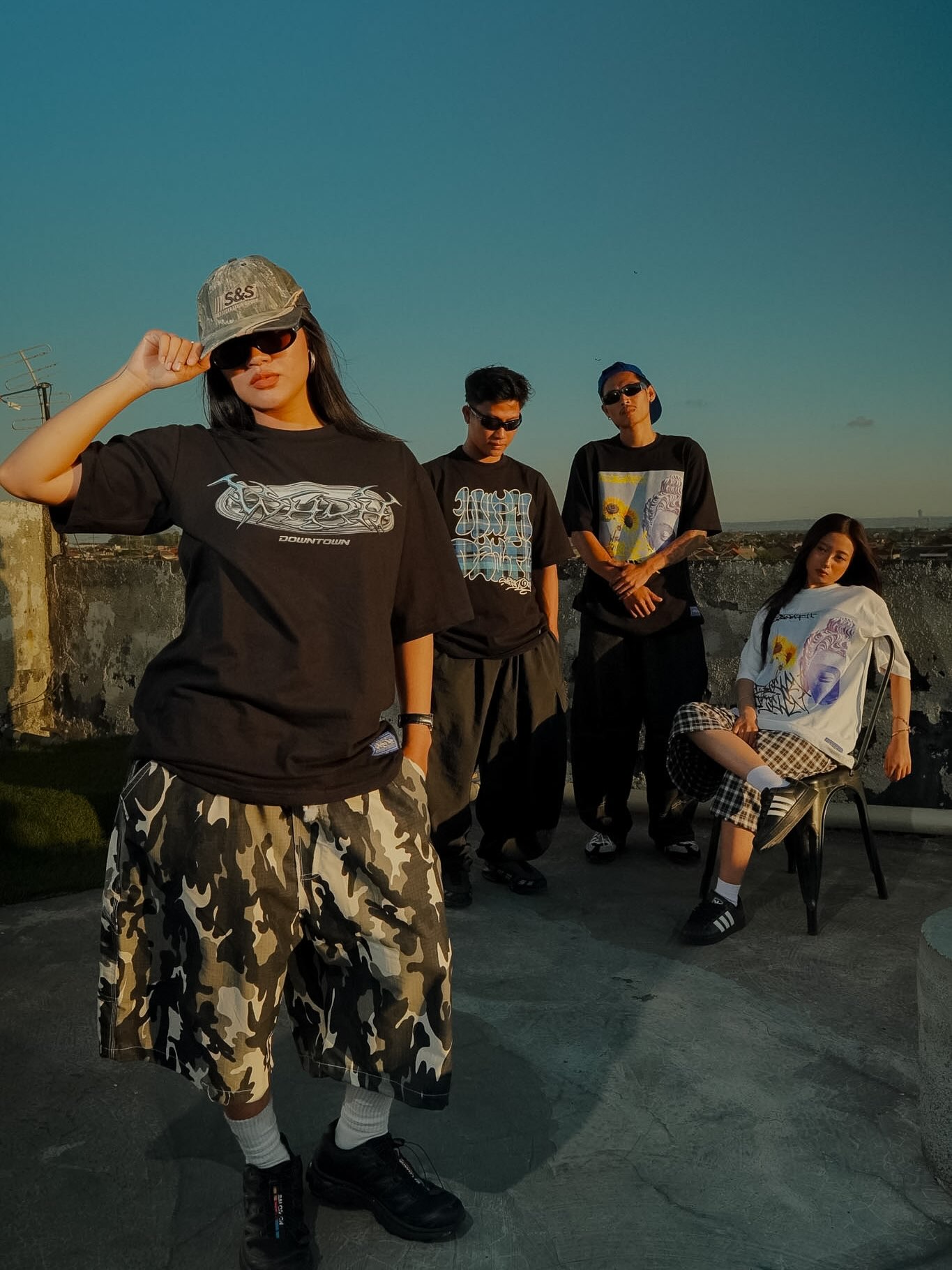
How to Choose Based on Your Launch Plan
Match the model to the job, not to a preference.
- You need product on sale quickly, and your brand is the differentiator. Start with ODM silhouettes and put your identity into fabric, colour, wash, print and labels. You get to market without funding a pattern from zero.
- Fit is the reason people buy your product. Go OEM. A block that only your brand sells is the part competitors cannot copy, and you control how it grades across the size range.
- You sell into stockists. Ask about exclusivity before you commit, in either model, so your wholesale partners are not offered the same garment elsewhere.
- You plan a full size range, including extended sizes. Confirm grade rules and approve measurements across the range, not just a medium, because grading is where an otherwise good style fails in wear.
- You plan reorders from day one. Choose the route whose specification you can keep control of, because a reorder is only as reliable as the sample record behind it.
- You want both. This is common and sensible: ODM for core basics that must be reordered often, OEM for the hero pieces that carry the collection. Running both under one roof keeps your calendar and your quality standard in one place.
A quotation should itemise what you are actually buying — development and sampling, fabric, trims, decoration, production, packaging and shipping — rather than a single number you cannot check. How fabric selection feeds construction and finishing decisions is set out on our Fabrics and Processes page, and the way stages are sequenced end to end is covered under Manufacturing and Production.
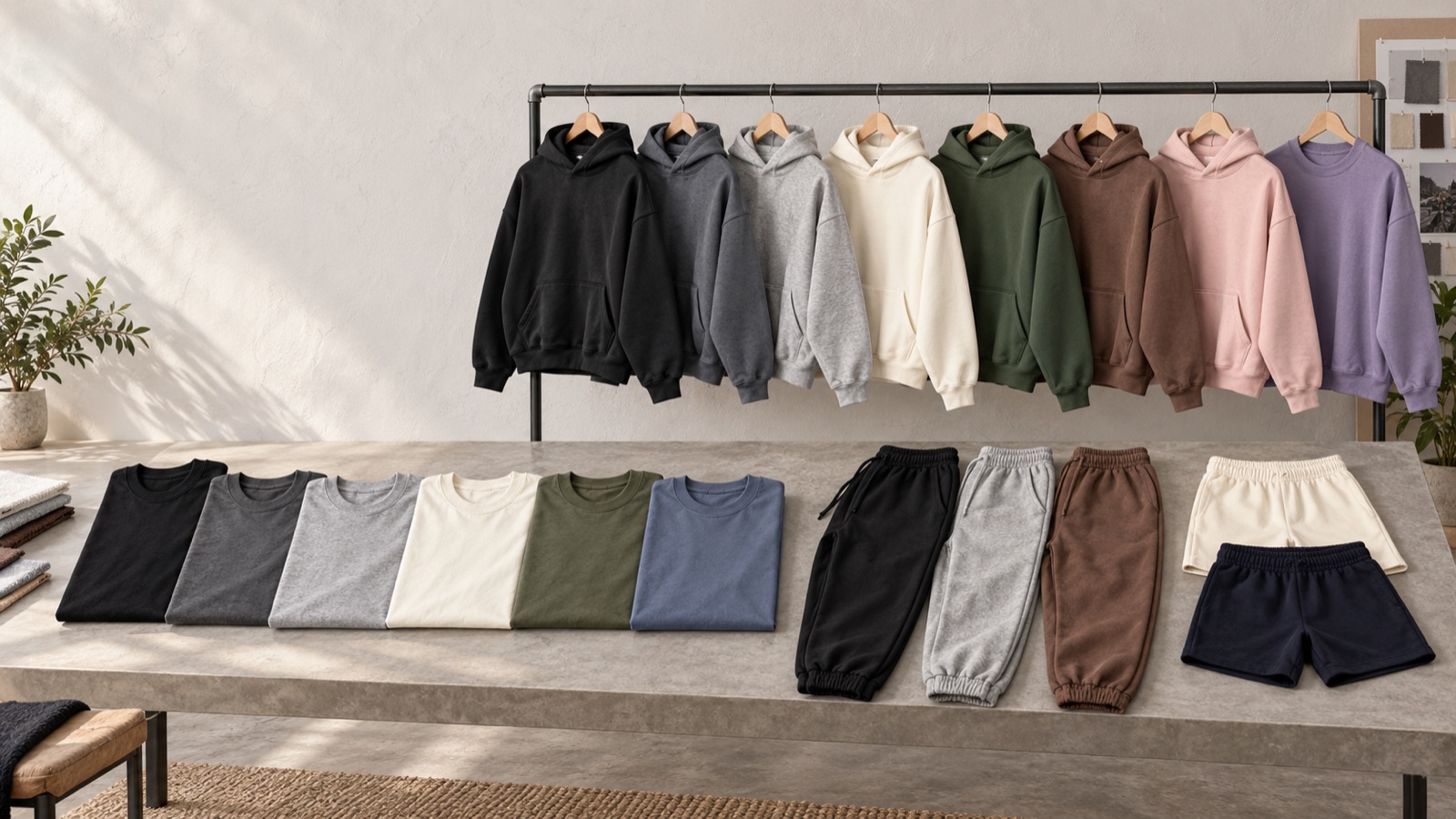
A Decision Checklist Before You Request Quotations
Work through these eight points; the model usually chooses itself.
- Can you describe the product in a tech pack? If you have measurements, construction details and artwork, OEM is open to you. If not, start on ODM and build the documentation as you go.
- Who owns the pattern and grade rules, and what happens to them if you change supplier?
- Is the style exclusive to you, and is that written down by market and season?
- Does the existing fit match your customer? Compare the ODM garment's measurements against your own size chart before you commit.
- Who owns artwork and print files, and can you reuse them elsewhere?
- What does sampling cost, and when is it quoted? You want the fee fixed before sampling starts, not added to a production invoice.
- Can the factory handle your wash and decoration in the same programme, so the sequence is fixed at sampling instead of renegotiated mid-run?
- How will reorders run? Confirm the minimum, the specification on file, and the lead time you can plan a launch around.
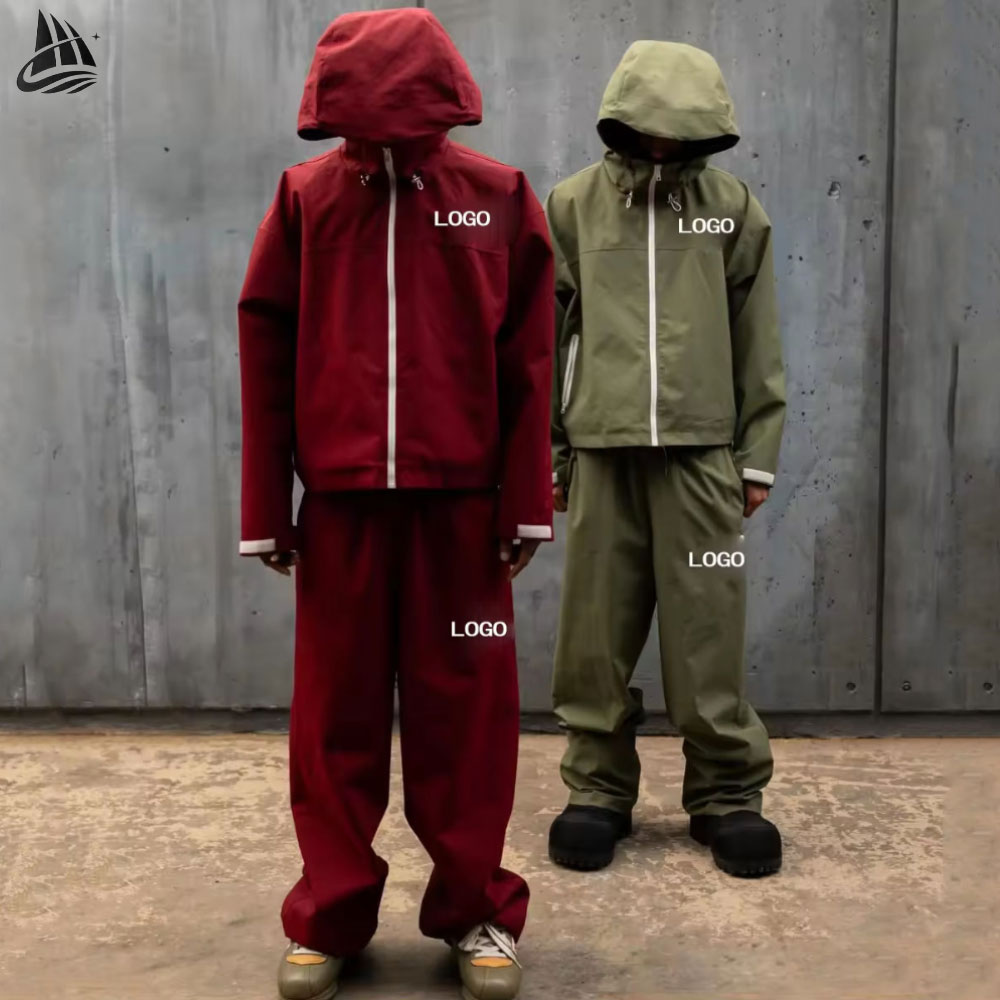
Working With a Manufacturer That Runs Both Models
Choosing between OEM and ODM is easier when one partner can do both, because you can start on the faster path and move a product to full development when it earns it — without changing factory, standard or contact.
At INFULLSAIL, sampling is a paid step and the fee is quoted clearly in advance, so nothing appears on a later invoice. Samples are typically completed within one to two weeks, and bulk production typically runs three to four weeks after sample approval, depending on the style and quantity. The standard MOQ is 100 pieces per style, per color, and lower-volume trial orders can be discussed case by case depending on the style and the processes involved. Reorders run to the same minimum using the approved specification already on file. We ship worldwide by sea, air or land, and each quotation sets out the schedule and shipping options so you can plan a launch date rather than hope for one.
Washed and vintage finishes are handled as part of the same programme, which matters for streetwear: the wash and decoration sequence is settled at sampling, so the approved sample and the bulk order behave the same way. Our Retro Clothing Manufacturing Solutions page covers how those styles are developed.
FAQ
Is ODM cheaper than OEM?
Usually, yes at the development stage: the pattern and grading already exist, so you are not paying to build them, and sample rounds are often fewer. The trade-off is exclusivity and fit control. OEM costs more in development time and sampling, but the result is a product only you sell in that form. Compare total launch cost, not just the sample fee.
Can I switch from ODM to OEM later?
Yes, and many brands do exactly that. A style that sells can be re-developed into your own pattern with your own grade rules, using the approved ODM garment as the fit reference. Because the silhouette and measurements are already proven, the move is usually simpler than starting from a blank page.
Who owns the design in ODM?
The manufacturer owns the base design; you own your branding and any elements you commission. That is why exclusivity has to be agreed in writing if it matters to you, and why it is worth confirming who owns artwork and print files before the order closes.
Do I need my own pattern maker for OEM?
Not necessarily. You can supply a tech pack and reference samples, and pattern development is handled by the manufacturer as part of the sampling process, with the fee quoted in advance. If you already have patterns, bring them — they shorten development and give you a second source later.
What MOQ applies to each model?
The standard MOQ is 100 pieces per style, per color for both OEM and ODM. Lower-volume trial orders can be discussed case by case depending on the style and the processes involved, and reorders run to the same minimum using the approved specification on file.
Get an OEM or ODM Development Quotation
Tell us which route you are weighing and send whatever you already have — tech pack, reference garment, artwork, fabric direction, size range, target market and target launch date. We will reply within one business day with a development plan, a clear quotation that includes the sampling cost up front, and a recommendation on whether OEM or ODM gets you to market in better shape. Share your project through our contact page and we will take it from there.