Private Label Streetwear Manufacturer: A Buyer's Guide
Key Takeaways
- Private label means the garment is produced to your brand's specification and carries your own label, while the manufacturing partner handles development, sourcing and production.
- Private label, OEM and ODM are not the same thing: the model you choose decides who owns the design, how much development work falls to you and how quickly you can get to a first order.
- Labels, care information, hangtags and packing are development decisions, not finishing touches. Changing them after production is where time and money get lost.
- The approved sample is the reference for everything that follows, so it deserves the same attention as the bulk order itself.
- INFULLSAIL is a Dongguan-based OEM and ODM clothing manufacturer with more than 20 years of apparel experience, working with streetwear brands at an MOQ of 100 pieces per style, per color.
Most streetwear brands do not start out looking for a private label manufacturer. They start by printing on blanks, selling out a drop, and then hitting the ceiling that every growing label reaches: the blanks are available to anyone, the fit is not quite theirs, and the good colourways sell out before their restock lands.
Private label is the answer to that ceiling, but it is also a different way of buying. Instead of choosing from a catalogue, you build a product with a manufacturing partner: your fit, your fabric weight, your wash, your label inside the collar. This guide explains how the model works, how it differs from OEM and ODM, what you should prepare before the first sample, and how to keep a bulk order aligned with the sample you approved.
What Private Label Manufacturing Means for a Streetwear Brand
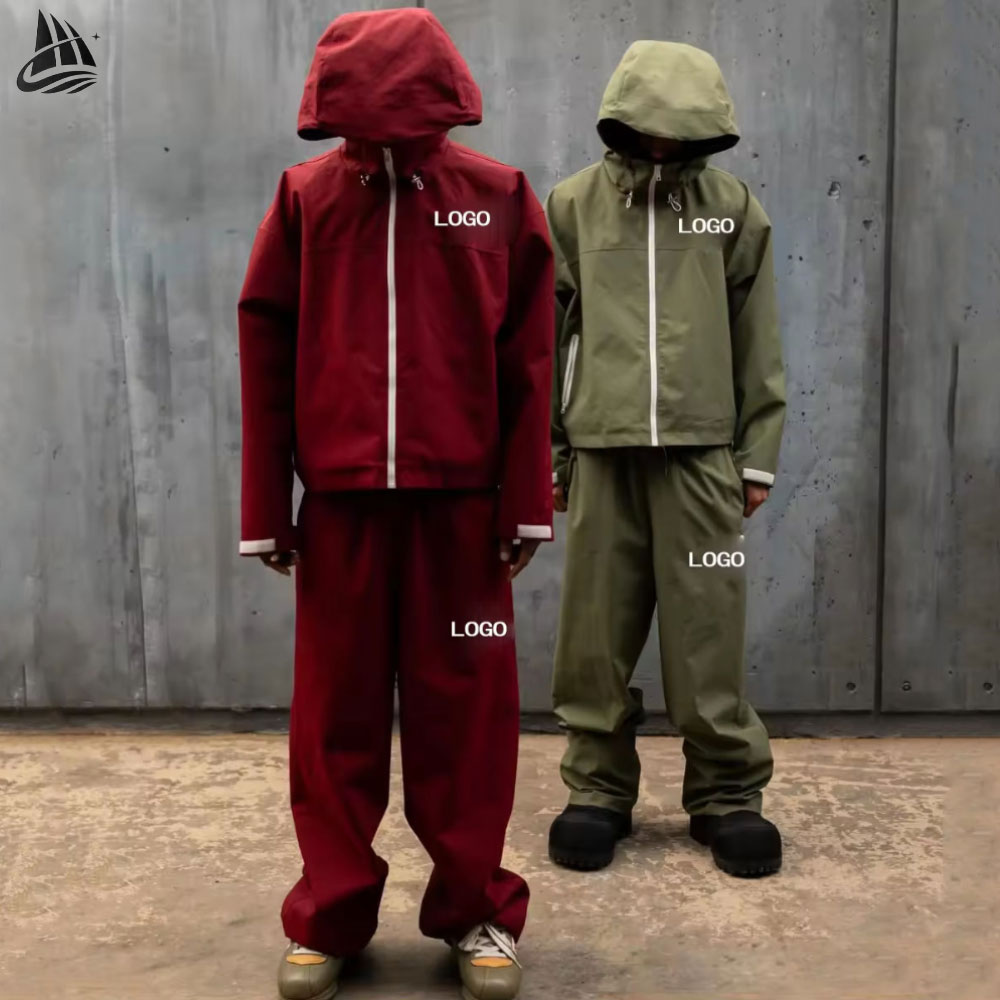
In practice, private label means the product carries your brand and nobody else's. The manufacturer produces garments to an agreed specification — fabric, weight, measurements, colour, decoration, labelling and packing — and the finished piece goes to market under your name.
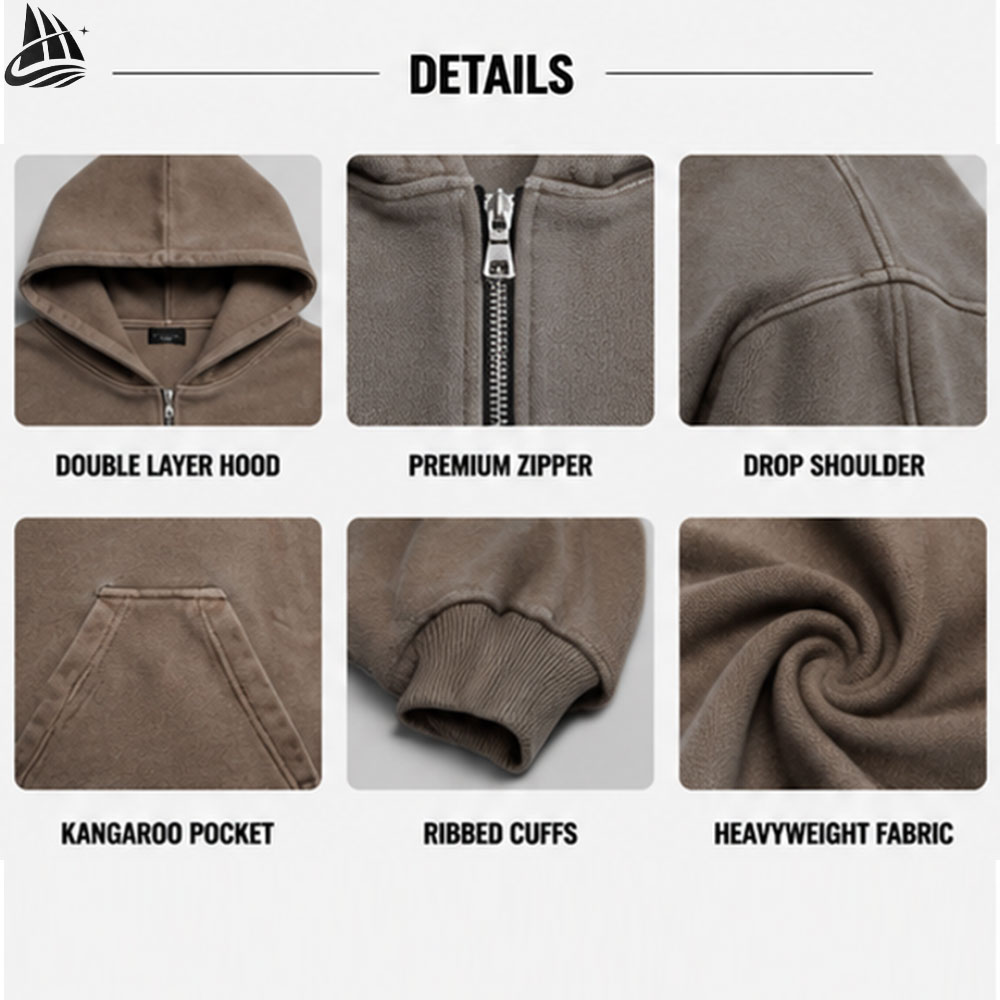
That is different from buying stock blanks and decorating them yourself. When you buy blanks, you share the garment with every other brand using the same supplier, and your only levers are print, embroidery and price. With private label, the garment itself becomes part of your brand: a heavier fleece, a boxier shoulder, a specific collar rib, a wash that matches the rest of the collection.
A capable private label partner typically covers pattern development, fabric sourcing, sampling, cutting, sewing, finishing, washing, decoration and quality control, then handles export shipping. Because those stages sit inside one production plan, the details stay consistent from the first sample to a reorder months later.
Private Label vs OEM vs ODM: Choosing the Right Model
The three terms get used loosely in sourcing conversations, and the confusion costs brands weeks. Here is the practical difference.
- ODM (original design manufacturer). The factory already has developed styles — patterns, fabrics and samples — that you can select, modify and brand. It is the fastest route to a first order, and it suits brands that want to move quickly with a proven shape. Because the style is not exclusive to you, ask what happens if another buyer orders the same base.
- OEM (original equipment manufacturer). You bring the design: a tech pack, reference garment or detailed specification, and the factory produces to it. Development work and design ownership stay with you, and the resulting pattern is normally yours to reuse for reorders.
- Private label. The brand and labelling are yours while production is handled by the partner. Many private label programmes combine the two: an OEM-built garment with your labels, or an ODM base adapted to your branding, fabric and fit.
The decision usually comes down to three questions. How much development can you realistically do? How quickly do you need the first order? How important is exclusivity of the shape? Answering those honestly before requesting quotations keeps a first production run realistic.
Whichever model you choose, confirm two things in writing during development: who owns the pattern, and whether the factory may offer the same garment to other buyers. A short, clear answer to both prevents an awkward conversation later.

What to Prepare Before Private Label Production Starts
Development moves faster when the brief is complete. A factory can work from a reference garment, a sketch or even a detailed set of reference photos, so you do not need a professional tech pack to begin — but the more of the following you can supply, the fewer revision rounds the sampling stage will take.
- A reference garment or sample. Even a competitor-free reference you have purchased elsewhere tells the factory more about fit and feel than paragraphs of description.
- Measurements and tolerance. Chest, body length, shoulder, sleeve and hem for at least the middle size in your range, plus how strictly those numbers must be held.
- Fabric direction. Weight, hand feel, structure and colour direction — heavyweight fleece, brushed loopback, jersey, twill or denim, and whether you want a washed or raw finish.
- Colour references. Physical swatches or a colour standard, with the note that small tone differences appear across fabrics and dye lots.
- Decoration plan. Screen print, embroidery, patches or a combination, with artwork and placement dimensions.
- Size range and grading. Which sizes you intend to sell, and where the fit should stay fixed across sizes.
- Labelling and packing. Label type, care information, hangtags, polybag or folded pack.
- Quantities per style and colour. This is what makes the quotation comparable between suppliers.
Once those eight items are on one page, most of the remaining questions are technical and belong to the factory.
Labels, Tags and Packaging: The Details Buyers Notice
For a private label brand, the inside of the garment matters as much as the outside. A customer who has paid for your product turns the collar over and reads the label.
- Main label. Woven labels give a raised, durable finish and generally suit heavier streetwear garments; printed labels are lighter and more flexible for finer fabrics. Placement, width and how the label sits against the neckline should be agreed before sewing.
- Size label. Placement varies by garment — inside the neck, on the side seam, or combined with the main label. Consistency across a size run is more important than the position itself.
- Care information. Content requirements differ by destination market, so tell the factory which market the goods are going to and confirm which statements must appear. Treat this as a development item, not a last-minute addition.
- Hangtags and stickers. Card weight, finish, hole position, string or plastic loop, and whether a barcode or price sticker is needed for your retail or fulfilment process.
- Packing. Polybag or no polybag, individual folding, size stickers, and how garments should be grouped for a warehouse or a shop floor.
Every one of these items is a separate production line inside the factory — labels have to be woven or printed, hangtags printed, packing materials ordered. Bringing them into the same development round as the garment is what keeps the delivery date intact.
From Approved Sample to Bulk: Quality Control in Private Label
The sample is not a formality. It is the document that defines what the bulk order must be, and everything downstream should be measured against it.
Development usually moves through a fit sample, through revisions, and into a production sample made from the final fabric and trims. Review it with the same eye you would apply to a customer's complaint: check the measurements yourself, look at the wash tone in daylight, test the label and decoration placement, and wear or handle the garment rather than judging it flat on a table. Once you approve it, that sample should be retained as the reference for inspection.
During production, the checks that matter most are:
- Measurement checks per size, not only on the sample size, using the tolerance you agreed during development.
- Waist, hem and rib recovery on knit garments, since these are the areas that lose shape first.
- Decoration placement, held by template rather than by eye so that logo position does not drift across the run.
- Wash consistency against the approved swatch, since tone differences are the defect buyers spot first.
- Final inspection before packing, covering stitching, trims, labelling and packing method.
Agree in writing how you will be told about a problem if one appears, and how it will be resolved.
At INFULLSAIL, sampling is a paid step with the fee quoted clearly in advance, so there are no surprises added later. Samples are typically completed within one to two weeks. Bulk production typically runs three to four weeks after sample approval, depending on the style and order size. The standard MOQ is 100 pieces per style, per color, sizes can usually be mixed within that total, and reorders are supported at the same minimum. We ship worldwide by sea, air or land, and quotations set out the production schedule and shipping options.
If you are still deciding how much development to take on, our pages on Manufacturing and Production and Fabrics and Processes walk through the stages we handle, and Retro Clothing Manufacturing Solutions covers the washed and vintage finishes that many streetwear private label programmes build on.
FAQ
What is the difference between private label and OEM clothing manufacturing?
OEM describes who designs the product: you bring the design and the factory manufactures to it. Private label describes whose brand is on the product: the garment is produced and labelled for your brand rather than sold under the factory's own name. In practice many orders are both — an OEM-developed garment produced under your private label.
Can you produce a private label order from my own design?
Yes. A tech pack gives the most precise starting point, but a reference garment, a sketch or clear reference photos are enough to begin development. Measurement, fabric, decoration and labelling details are then confirmed during sampling.
Who produces the labels, hangtags and packaging?
They are coordinated as part of the development round, alongside the garment itself, and can be woven or printed to your artwork and specification. Bringing labels, care information and packing into the same round as the sample avoids a second production cycle later.
What is the minimum order quantity for private label streetwear styles?
The standard MOQ is 100 pieces per style, per color. Sizes can usually be combined within that total, and reorders are supported at the same minimum.
How long do sampling and bulk production take?
Samples are typically completed within one to two weeks, with the sampling fee quoted clearly in advance. Bulk production typically follows three to four weeks after sample approval, depending on the style and order size.
Get a Quotation for Your Private Label Programme
Send us what you have — a reference garment, artwork, fabric direction, the market you are selling in and the styles you want to build — and we will come back with a development plan and a clear quotation, with sampling costs stated up front. Share your project through our contact page and we will take it from there.