Streetwear Brand Startup Cost: A 100-Piece MOQ Walkthrough
Launching a streetwear label with a small first order sounds simple until the quotes arrive and every line item looks unfamiliar. The unit price is only one number in a stack of costs that begins with artwork and fabric selection and ends with freight and import charges. Understanding what sits behind each of those numbers is what separates a controlled launch from a painful one.
Key Takeaways
- A first run is priced per style and per colour, so a hundred-piece commitment is easiest to manage when it sits on one or two styles rather than six.
- Sampling is charged and quoted upfront. The sample fee is offset only when the bulk volume is large enough, so treat it as a development cost until then.
- Sampling takes about two weeks. Bulk production takes three to four weeks after sample approval, which means freight planning belongs at the start, not the end.
- Most first-order overspend comes from rework and change requests, not from the quoted unit price.
- Budget by cost block, not by unit price alone: fabric, trim, cutting and sewing, decoration, labelling, and freight each move independently.
What a 100-Piece Minimum Actually Commits You To
Our minimum order is 100 pieces per style, per color. The wording matters. That figure applies to each colourway inside each style, not to the order as a whole. A design offered in three colours is three separate minimums, and a two-style launch in two colours each becomes four.
This is not an arbitrary rule. Cutting fabric efficiently, running a decoration setup and keeping shade consistent all depend on volume per colour. When a buyer spreads a small order across many colourways, the factory either has to cut short rolls, which raises fabric cost, or run setup repeatedly, which raises decoration cost. Both outcomes end up in the quote.
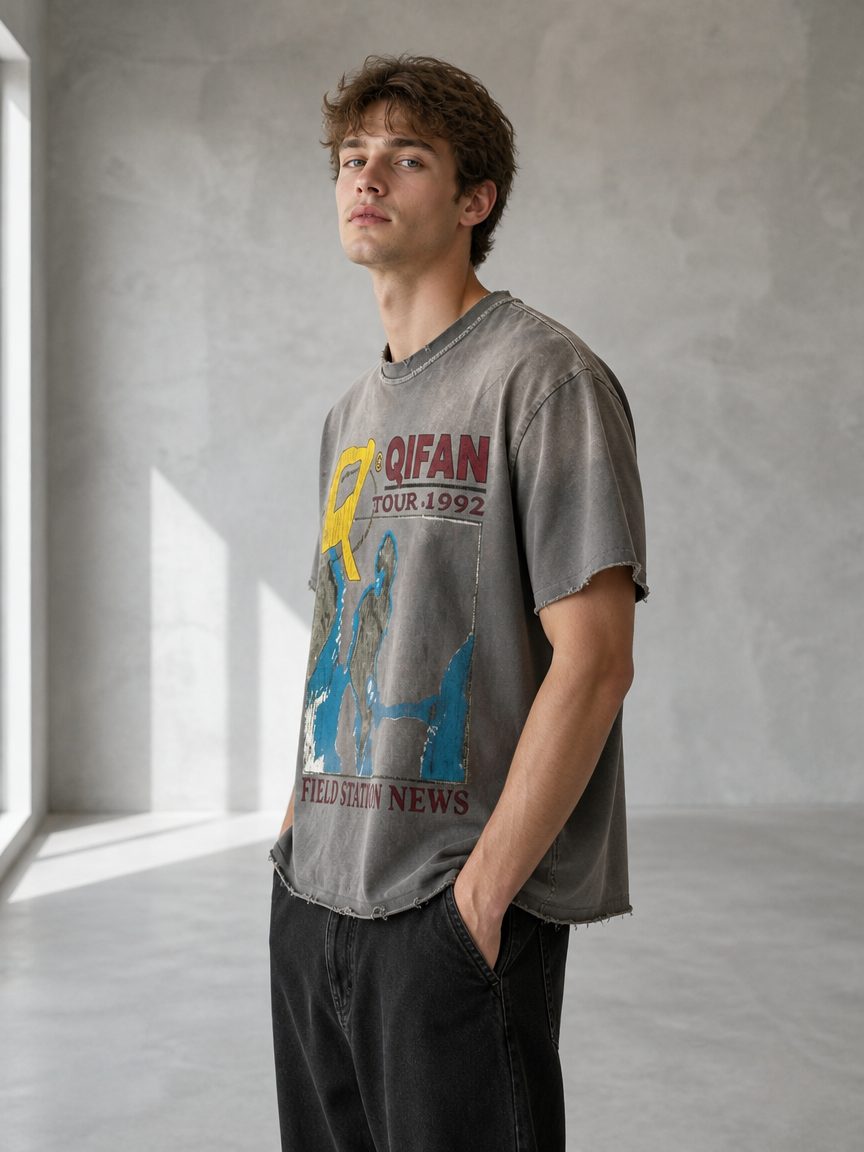
The practical translation for a new label is straightforward. Launch with one or two styles in one or two colours, prove the sell-through, then extend the range on a reorder. Brands that start wide tend to pay more per unit and carry more dead stock, which is the most expensive outcome of all because it never appears in a factory invoice.
The Six Cost Blocks of a First Production Run
Every quote you receive will be assembled from the same building blocks. Knowing them helps you compare suppliers on equal terms instead of chasing the lowest headline number.
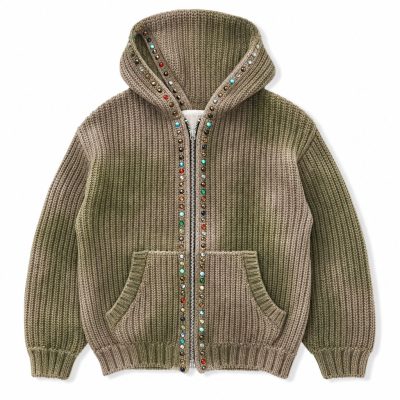
Fabric and trim. Fabric is usually the largest block. Weight, composition, shrinkage behaviour and colour all influence the price, and so does whether the mill holds the shade you want. Trims such as zippers, drawcords, eyelets, buttons and ribbing are small line items individually but add up quickly, especially when several of them are custom coloured.
Cutting and sewing. This is labour plus construction complexity. A basic tee and a panelled jacket are both garments, but the number of operations behind them differs enormously. Panel count, topstitching, lining and pocketing all add minutes per unit.
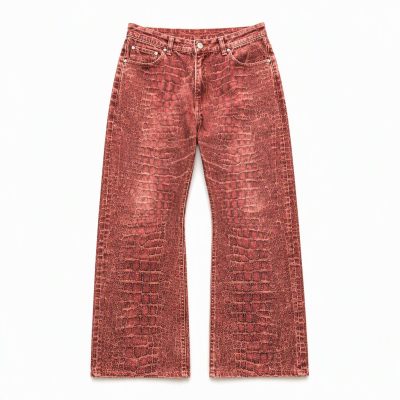
Decoration. Screen printing, embroidery, puff print and wash treatments each carry a setup element and a per-piece element. Setup is a fixed cost that spreads across the run, which is why the per-unit decoration cost falls as quantity rises and why single-piece sampling feels expensive relative to bulk.
Sampling and development. A sample is a small production run in its own right: pattern work, a fabric reservation, cutting, sewing and decoration. Sampling is charged and quoted upfront so there are no surprises later. The fee is offset only when the bulk volume is large enough, so a first-time buyer should plan for it as a standalone cost rather than assuming it comes back.
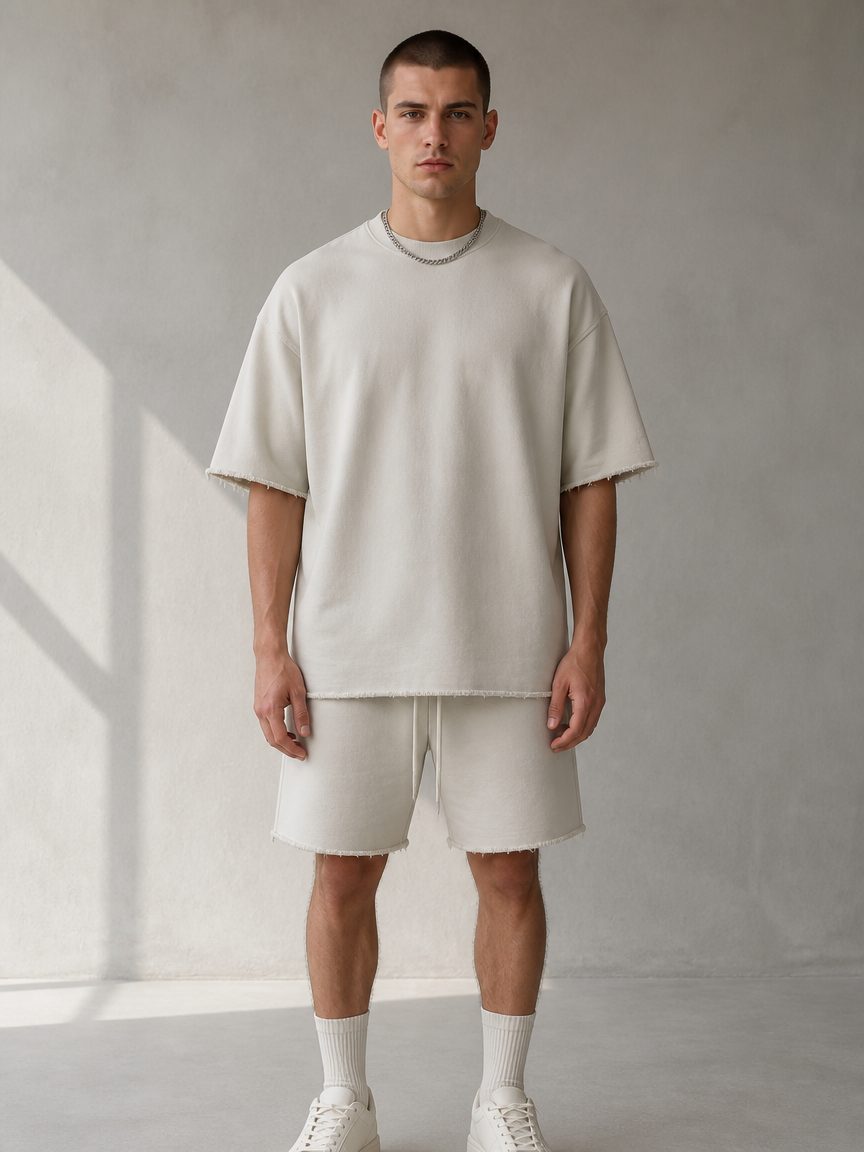
Labels and packaging. Woven labels, printed neck labels, hangtags, care labels, polybags and cartons are easy to forget and hard to add late. Custom labels usually require their own minimum quantities, which can exceed the garment minimum, so decide on branding before the bulk order is placed.
Freight and import. Sea, air and land freight are all available, and each has a different balance of cost against transit time. Air suits urgent launches and light, high-value goods; sea suits larger volumes where a few weeks of transit is acceptable. Duty and clearance charges sit on top and depend on the destination country and the declared goods.
Where First Orders Quietly Overspend
Unit price is rarely the reason a launch goes over budget. The overruns usually come from decisions made after the first quote.
Change requests after sampling. Every revision after a sample is approved restarts part of the process. Moving a print placement, changing a fabric weight or adjusting a fit after bulk cutting has begun can mean recutting and redecoration. Collect all feedback in one pass and confirm in writing before bulk starts.
Colour splits. Each extra colourway carries its own minimum and its own fabric reservation. A brand that wants five colours on a hundred-piece order is effectively running five small orders.
Fabric that is not in stock. Where a mill has to produce a specific shade or weight, the lead time and minimum length both grow. Choosing from fabrics that are already available shortens the schedule and reduces the risk of a shade mismatch between sampling and bulk.
Artwork that is not production ready. Files at low resolution, gradients that do not translate to screen printing, or fonts that were never licensed for apparel all create redraw work. Supplying clean vector artwork with defined colour references removes that cost entirely.
Sequencing the Spend: Sample First, Bulk Second
The order in which money leaves the business matters as much as the amount. A sequence that keeps risk low looks like this.
First, settle the design and the fabric. Second, approve a sample — this is where fit, hand feel, decoration and colour are proven, and it normally takes about two weeks. Third, place the bulk order against the approved sample, with production running three to four weeks after approval. Fourth, arrange freight once the production schedule is confirmed rather than assuming a date.
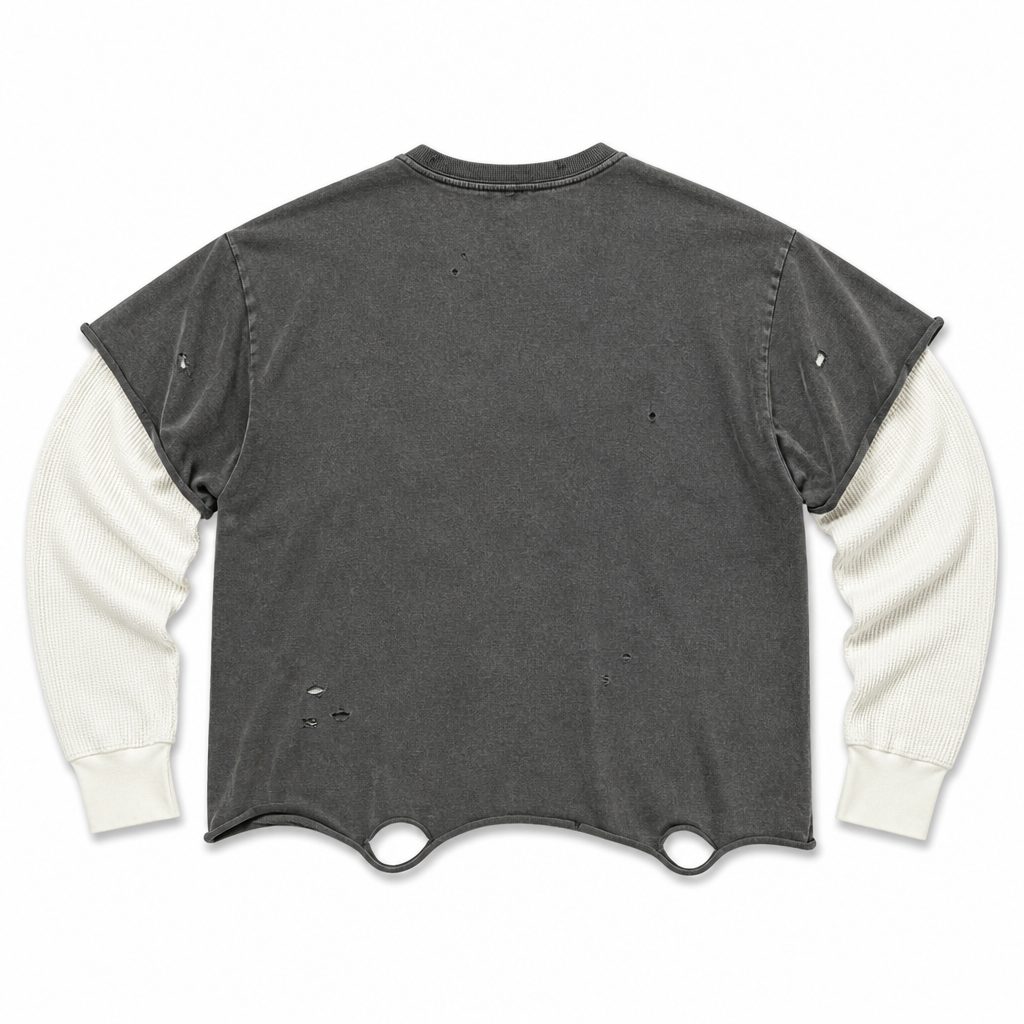
Buyers who compress this sequence usually do it by skipping the sample or by ordering bulk before the sample is signed off. Both save a fortnight on paper and both tend to cost more than they save, because corrections on a bulk run are far more expensive than corrections on a single sample.
Trimming the Budget Without Damaging the Product
When the numbers come in higher than expected, the useful question is which parts of the product a customer will actually notice. Fabric hand feel, fit and the quality of the decoration are the three things that decide whether a garment feels worth its price. Everything else is negotiable.
Reducing the number of decoration placements, simplifying trims to standard colours, consolidating colourways, choosing a fabric already held in stock and standardising packaging are all ways to bring a first order into range without touching the parts that matter. Reducing fabric weight or decoration quality to hit a target price is the opposite trade, and it shows up in returns.
It also helps to price the whole project rather than the garment. Landed cost per unit — fabric, making, decoration, labels, freight and duty divided by the number of sellable pieces — is the figure that decides whether a launch works.
Plan the order around the numbers you can control.
Unit price is set by fabric, construction and quantity. What a new brand decides is narrower: how many styles, how many colours, how many decoration placements, how clean the artwork is, and how early freight is planned. Getting those five decisions right usually matters more than a small reduction on the garment price.
If you want a cost breakdown for a specific design, send the specification — fabric, colours, decoration and quantity — and we will quote it block by block so you can see where the money goes. Contact our team to price your first production run, or review the custom tops range and custom bottoms range to see what a first collection could cover. Our manufacturing and production page explains how an order moves from sample to shipment, and the fabrics and processes section lists the materials and finishes available for a launch order.
Frequently Asked Questions
How much does a 100-piece streetwear run cost?
There is no single figure, because the quote depends on fabric weight and composition, how many decoration placements a design uses, trim selection, label and packaging requirements, and the destination for freight. Two garments with the same silhouette can differ substantially once these variables change. The practical approach is to send a specification with fabric, colours, decoration and quantity, and ask for a breakdown by cost block rather than one total. A breakdown lets you see which line is driving the price and adjust the specification rather than guessing.
Does the sampling fee come back on the bulk order?
Sampling is charged and quoted upfront, and the fee is offset only when the bulk volume is large enough. It is best to think of it as a development cost rather than money that returns automatically. Because a sample is effectively a small production run — pattern work, fabric, cutting, sewing and decoration — the cost is real even when the final order does not proceed. Ask for the sample fee and the offset condition in writing at the quotation stage so both sides work from the same expectation.
Can I split 100 pieces across several colours?
The minimum is 100 pieces per style, per color, so each colourway carries its own quantity commitment. Splitting a small order across many colours means several separate minimums rather than one. Small batches and reorders are supported, which is the usual route for a new label: launch a narrow colour range, confirm what sells, then add colourways on a reorder. That keeps fabric reservations realistic and avoids the situation where a colour has to be cut from a short roll.
What payment structure should I expect?
Payment terms are agreed per order and written into the contract, typically as a deposit before production and a balance before shipment, with the exact split confirmed at quotation. What matters more than the split is what each payment is tied to: deposit against a signed approved sample and confirmed specification, balance against inspection of finished goods. Keep the approved sample and the agreed specification as the reference documents for both payments, and confirm any change in writing before it affects production.
How long does the whole process take?
Sampling takes about two weeks from confirmed artwork and fabric selection. Bulk production takes three to four weeks after sample approval, and freight time depends on the mode chosen: air is fastest, sea is the slowest and most economical for volume, and land applies to overland routes. A realistic launch plan adds time for artwork preparation, label production and clearance at destination. Working backwards from a launch date is safer than working forwards from a start date, because it exposes whether the schedule is actually achievable before money is committed.
What costs appear after production?
Freight, insurance if required, duty and clearance charges at destination, and any last-mile delivery to a warehouse or fulfilment partner. Packaging specification also affects freight, because carton dimensions and weight determine how efficiently a shipment fills a container or an aircraft pallet. These figures depend on the destination country and the goods being imported, so they should be confirmed with a freight forwarder rather than estimated from the factory invoice alone. Budgeting them at the outset avoids the common situation where the goods are ready but the shipment is held up by an unbudgeted charge.