How to Choose a Custom Vintage Streetwear Manufacturer
Choosing a custom vintage streetwear manufacturer involves more than comparing prices. Brands need a production partner that understands oversized silhouettes, heavyweight fabrics, vintage washing, decoration techniques, sampling and consistent bulk-production quality. This guide explains the key factors buyers should evaluate before selecting a manufacturer.
INFULLSAIL is an OEM and ODM clothing manufacturer based in Dongguan, China, with more than 20 years of apparel manufacturing experience. We support fashion brands with fabric sourcing, pattern development, sampling, custom craftsmanship, bulk production and quality inspection.
Key Takeaways
- Fit is Non-Negotiable: Authentic vintage streetwear relies on specific fits like oversized and drop-shoulder silhouettes. A manufacturer must have expertise in pattern-making for these styles, not just simple upscaling of standard patterns.
- Fabric Defines Quality: The choice of fabric, measured in GSM (grams per square meter), directly impacts the garment's drape, durability, and feel. Heavyweight, pre-shrunk cottons are often the standard for premium vintage aesthetics.
- Finishing Creates Authenticity: The "vintage" look comes from specialized decoration techniques. Look for a manufacturer proficient in various washes (acid, stone, enzyme), fading, and precise graphic application on oversized garments.
- Operational Excellence is Key: A reliable partner demonstrates expertise through detailed pattern development, proper fabric handling (like relaxation before cutting), and multi-stage quality control to ensure consistency across the entire production run.
- Partnership Over Production: The ideal manufacturer is a partner. Evaluate their experience in streetwear, communication practices, and commitment to ethical standards. The sampling process is a critical test of their capabilities and attention to detail.
Understanding the Unique Demands of a Custom Vintage Streetwear Manufacturer
The essence of vintage streetwear lies in its distinct silhouette and feel, a departure from standard fashion fits. A true custom vintage streetwear manufacturer recognizes that this aesthetic is born from nuanced design and construction, not just applying a graphic to a blank T-shirt. They must be specialists in translating the cultural and historical context of streetwear into tangible, high-quality garments.
Beyond Basic: Why Fit and Construction are Paramount
In the world of custom vintage streetwear, fit is not just about size; it's about shape, drape, and attitude. The construction of a garment—how the panels are cut and sewn—dictates how it hangs on the body. Details like the shape of the armhole, the height of the collar ribbing, and the type of seams used are critical. A manufacturer must understand that the "perfect" oversized hoodie isn't just a larger size; it's an entirely different pattern engineered to create a specific silhouette. This requires expertise in pattern making that goes far beyond generic templates. The right partner will be able to interpret your design intent and translate it into a physical pattern that achieves the desired look and feel, ensuring the final product is authentic to the vintage streetwear culture.
The Art of the Oversized and Drop-Shoulder Aesthetic
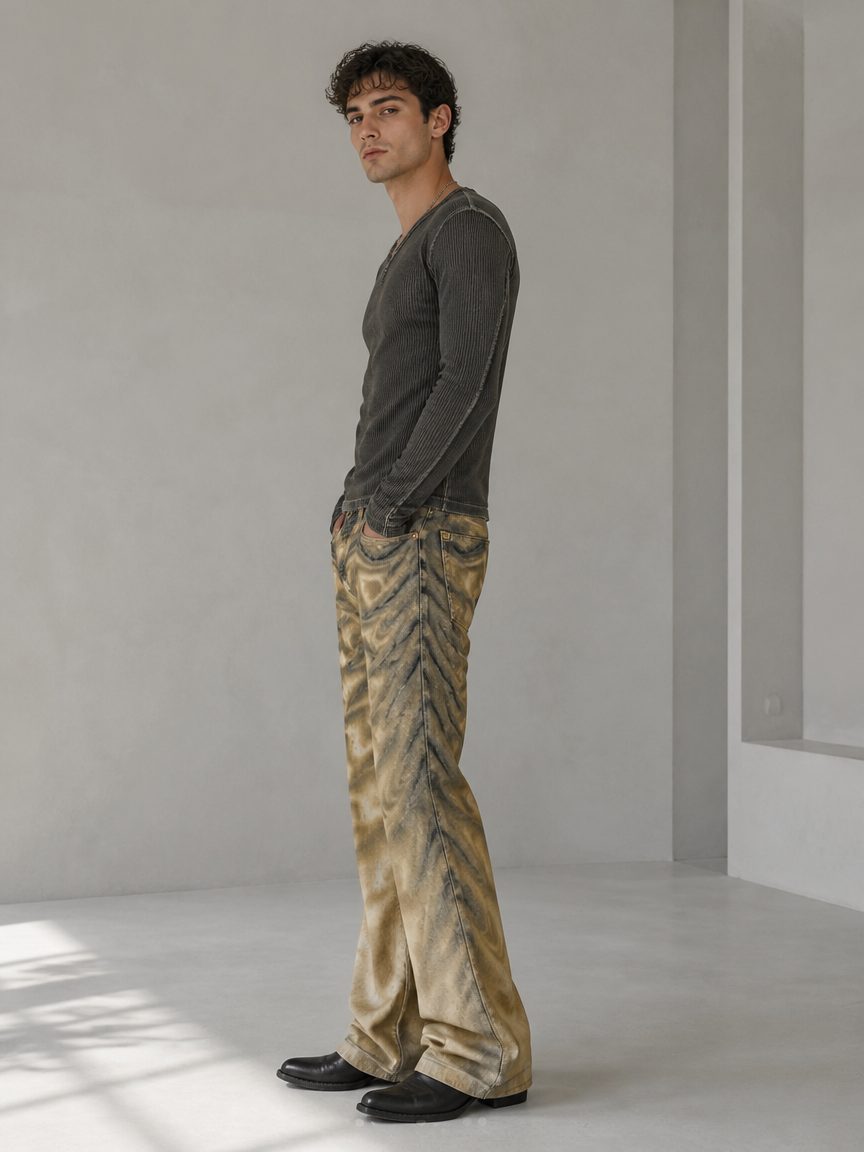
The oversized and drop-shoulder look is a hallmark of streetwear, but achieving it correctly is an art form. It involves more than just widening the body and lengthening the sleeves. A skilled manufacturer knows how to balance the proportions to avoid a garment that looks sloppy rather than intentionally styled. Key elements include:
- Dropped Shoulder Seams: The seam connecting the sleeve to the body of the garment is placed lower down the arm, creating a relaxed and broad look.
- Wider Chest and Body: The garment has significantly more room in the torso for a boxy or draped effect.
- Adjusted Sleeve Volume: Sleeves must be widened in proportion to the drop shoulder to allow for comfortable movement and stacking at the wrist.
- Strategic Length: The overall length is carefully considered to complement the width, ensuring it can be layered effectively.
A manufacturer with experience in this aesthetic will have patterns and grading rules specifically developed for these styles, ensuring consistency from size to size.
Why Simple Upscaling Just Doesn't Cut It for Authentic Streetwear
A common mistake is assuming that an XL or XXL from a standard size chart will replicate an authentic oversized streetwear fit. This process, known as "grading up," simply makes every dimension of a standard pattern larger. The result is often a garment that is ill-fitting—too long in the body, overly wide in the neck, and with armholes that are awkwardly large.
Authentic streetwear requires a dedicated pattern from the start. The process involves:
- Conceptual Patterning: Creating a base pattern specifically for an oversized or boxy fit.
- Proportional Grading: Adjusting the pattern for different sizes while maintaining the intended silhouette and proportions. For example, as the size increases, the shoulder drop may be adjusted differently than the body length.
- Fit Sampling: Producing samples to test the fit on real bodies, not just relying on measurements, to ensure the drape and look are correct.
A knowledgeable manufacturer understands this distinction and will guide you through creating a custom pattern that truly captures your brand's vision, rather than offering a shortcut that compromises the final product.
Fabric and Material Mastery: A Key Indicator of Your Custom Vintage Streetwear Manufacturer
The fabric of a garment is its foundation. For vintage-inspired streetwear, the material choice is paramount in achieving the right blend of comfort, durability, and authentic aesthetic. A capable manufacturer demonstrates their expertise not just in sourcing fabrics, but in understanding their technical properties and how they contribute to the final look and feel of your designs. You can see the materials and finishes we work with on our fabrics and processes page.
Deciphering Fabric Weight (GSM) and Its Impact on Your Designs
Fabric weight, commonly measured in Grams per Square Meter (GSM), is one of the most critical specifications in streetwear production. It determines the garment's thickness, structure, and drape.
- Lightweight (120-180 GSM): Typically used for standard T-shirts. While comfortable, it may lack the substantial feel associated with premium streetwear.
- Midweight (180-250 GSM): A versatile option for higher-quality tees and light sweatshirts. It offers a better structure than lightweight fabrics.
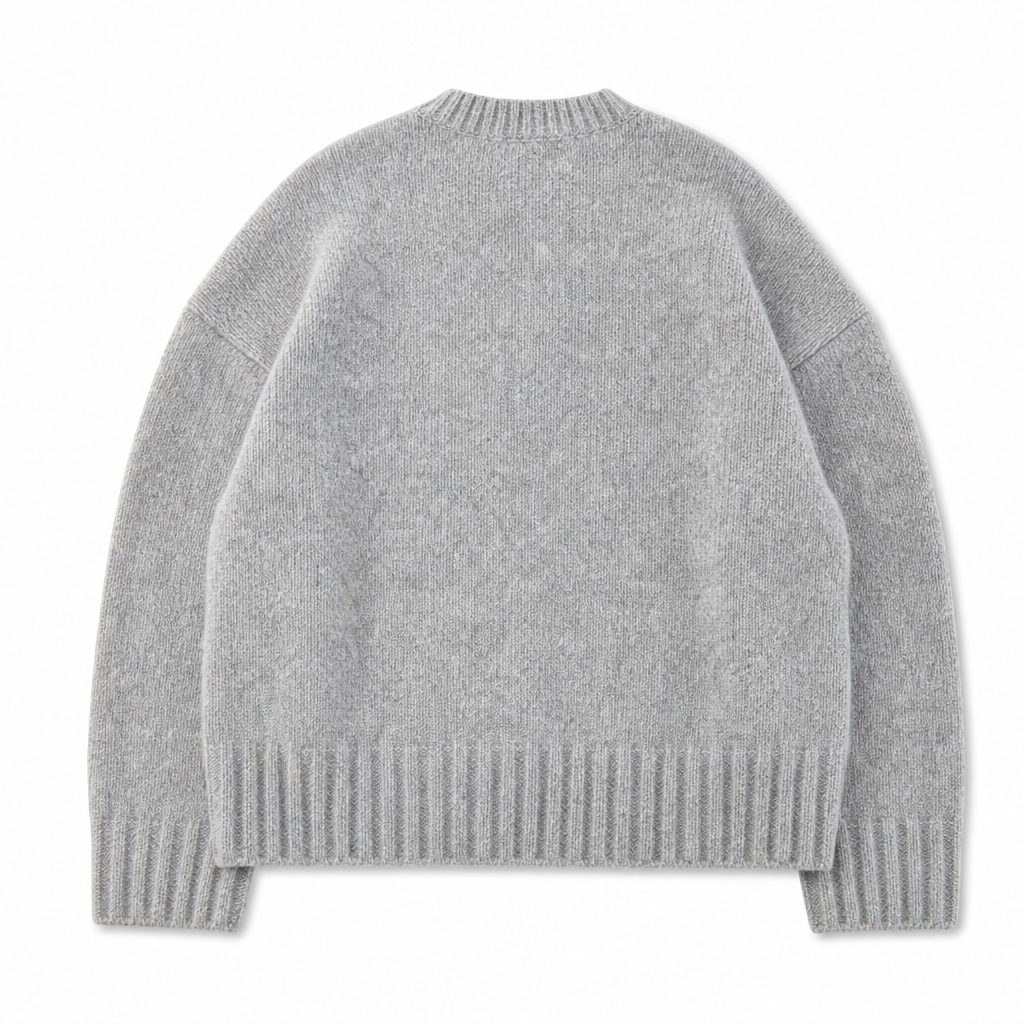
- Heavyweight (250-500+ GSM): This is the hallmark of premium streetwear, especially for hoodies, sweatshirts, and jackets. Heavyweight fabrics provide a structured, boxy silhouette and a substantial, high-quality hand feel. They are more durable and hold their shape well.
Your manufacturer should be able to source a wide range of fabric weights and provide clear GSM specifications for each option. For a vintage aesthetic, heavyweight French terry or fleece for hoodies and high-GSM single jersey for T-shirts are often the preferred choices.
| Fabric Weight (GSM) | Common Garment Types | Characteristics |
|---|---|---|
| 160-200 | Standard T-Shirts, Base Layers | Soft, breathable, drapes close to the body |
| 200-280 | Premium T-Shirts, Long Sleeves | More structured, durable, less transparent |
| 280-380 | Sweatshirts, Light Hoodies | Good structure, warmth, classic streetwear feel |
| 380-500+ | Heavyweight Hoodies, Jackets | Boxy fit, exceptional durability, premium feel |
The Importance of Pre-Shrunk, Stable, and High-Quality Yarns
Nothing damages a brand's reputation faster than a garment that shrinks or loses its shape after the first wash. This is where the quality of the raw materials and pre-treatment processes becomes vital.
- High-Quality Yarns: The foundation of a stable fabric is the yarn itself. Combed or ringspun cotton, for example, uses longer, smoother fibers, resulting in a fabric that is softer, stronger, and less prone to pilling.
- Pre-Shrunk Fabrics: A crucial step for cotton-based garments is ensuring the fabric is pre-shrunk (sanforized) before cutting. This process minimizes shrinkage when the end-user washes the garment. A reliable manufacturer will always use pre-shrunk materials for items like T-shirts and hoodies to ensure fit consistency.
- Fabric Stability: This refers to the fabric's ability to resist twisting or torquing after washing. This is often a result of how the fabric was knitted and finished. A good manufacturer will source fabrics that are finished to ensure stability, so side seams don't twist to the front after a wash cycle.
Achieving the Perfect Hand Feel: From Softness to Structured Drapes
"Hand feel" describes the tactile sensation of the fabric against the skin. It's a subjective but critical component of perceived quality. For vintage streetwear, the desired hand feel can range from buttery soft to rugged and structured.
An expert manufacturer can achieve a specific hand feel through:
- Fabric Choice: Using materials like loopback French terry for a classic, textured interior or a brushed-back fleece for a soft, warm feel.
- Finishing Processes: Applying treatments like silicone washes or enzyme washes can dramatically soften the fabric. In contrast, certain vintage washes can make the fabric feel more broken-in and slightly rougher, contributing to the authentic aesthetic.
- Blending: Incorporating small percentages of materials like polyester can sometimes add durability or alter the drape, though 100% cotton remains a popular choice for its breathability and classic feel.
Discussing the desired hand feel with your manufacturer is a key step. They should be able to provide samples that demonstrate different textures and finishes.
Decoration and Finishing Prowess from Your Custom Vintage Streetwear Manufacturer
The "vintage" in vintage streetwear is often defined by the decoration and finishing techniques. Faded colors, distressed graphics, and unique textures are what transform a well-made garment into a piece that tells a story. A top-tier manufacturer must possess a deep understanding and technical mastery of these specialized processes to execute a brand's vision authentically.
Mastering Vintage Washes, Fades, and Special Dye Techniques
A generic, flat color is the antithesis of the vintage look. Experienced factories offer a variety of washing and dyeing techniques to create depth, character, and a worn-in feel.
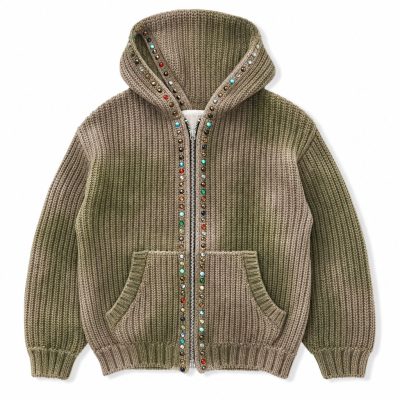
- Pigment Dyeing: This process applies color to the surface of the garment, which then fades naturally over time and with each wash, creating a unique patina for every piece.
- Garment Dyeing: Dyeing the garment after it has been sewn allows for rich, uniform color but can be combined with other washes for different effects.
- Enzyme Wash: Uses enzymes to soften the fabric and gently break down some of the dye, resulting in a slightly faded, lived-in appearance and a very soft hand feel.
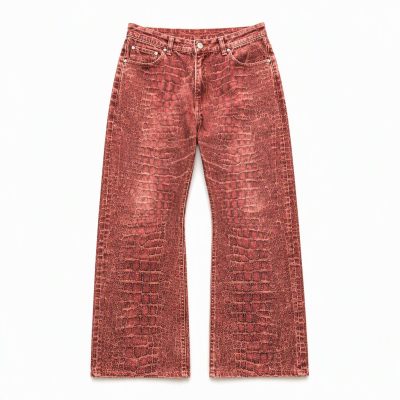
- Stone Wash: As the name suggests, this involves washing garments with pumice stones to physically abrade the surface. It's excellent for creating a heavily faded and softened effect, particularly on denim and heavyweight cotton.
- Acid Wash: This technique uses chlorine-soaked stones to create a dramatic, high-contrast marbled or mottled appearance.
A specialized manufacturer will not only offer these techniques but will also be able to control the intensity and consistency of the results across a production run. For a closer look at how two common vintage finishes differ, read our guide to acid wash vs enzyme wash.
Precision in Print Placement and Embroidery for Oversized Garments
Placing a standard-sized graphic on an oversized garment often looks awkward and unprofessional. The decoration must be scaled and positioned in harmony with the garment's unique proportions.
- Scaled Artwork: A skilled manufacturer will advise you to scale your graphics up for larger-sized garments to maintain visual balance.
- Placement Expertise: They understand the nuances of printing on unconventional areas, like across seams, near the dropped shoulder, or as a large back print on a boxy tee. This requires specialized platens and printing machinery.
- Embroidery on Heavyweight Fabrics: Heavyweight fleece and French terry require specific stabilization (backing) and needle techniques to produce crisp, clean embroidery that doesn't pucker or sink into the fabric. The manufacturer should be able to recommend the right embroidery density and thread type for your chosen material.
Techniques like puff print, screen printing, and high-density printing also require adjustments when applied to the unique textures and seams of vintage-style apparel.
Elevating Quality Through Subtle Details: Ribbing, Drawstrings, and Pockets
The perceived value of a garment is often in its details. An experienced manufacturer pays close attention to the components that complete the design.
- Ribbing: The cuffs, hem, and collar ribbing are key touchpoints. For a vintage look, you might want thick, tight-knit ribbing that holds its shape. The manufacturer should be able to source or custom-knit ribbing that matches the color and feel of the main body fabric, even after special dye processes.
- Drawstrings: Cheap, flimsy drawstrings can cheapen an otherwise premium hoodie. Options like thick, woven cotton drawstrings with custom metal or knotted ends elevate the product. The color should be considered—a natural, unbleached cotton drawstring can enhance a vintage aesthetic.
- Pockets: The construction and placement of pockets, like a kangaroo pocket on a hoodie, must be precise. The seams should be clean, reinforced at stress points, and perfectly aligned with the garment's structure.
These subtle elements are a testament to a manufacturer's commitment to quality beyond the basics and are essential for creating a truly premium vintage streetwear product.
Operational Excellence: What to Expect from Your Custom Vintage Streetwear Manufacturer
A great design idea and the perfect fabric mean little if the factory's production process is flawed. Operational excellence is the backbone of a reliable manufacturing partnership. It ensures that the vision you approved in the sample stage is replicated consistently and accurately across hundreds or thousands of units. A professional custom vintage streetwear manufacturer like INFULLSAIL Custom Streetwear Manufacturer demonstrates this through mastery of the technical stages of production, from pattern-making to final quality checks. With over 20 years of experience as an OEM/ODM clothing manufacturer based in Dongguan, their expertise covers the full spectrum of apparel, including custom T-shirts, hoodies, sweatshirts, jackets, denim, pants, and accessories. See our custom tops range for an example of the categories we produce.
From Pattern Development to Expert Grading: Ensuring Consistent Sizing
Consistent sizing is crucial for customer satisfaction and brand trust. This consistency begins long before the first piece of fabric is cut.
- Pattern Development: An expert manufacturer works with you to translate your sketch or tech pack into a professional digital pattern. For complex vintage fits, this is a highly skilled process that defines the garment's silhouette. They should have pattern makers on staff who specialize in streetwear.
- Grading: Once the base size pattern (e.g., a Medium) is approved, it must be "graded" to create the patterns for all other sizes (XS, S, L, XL, etc.). For oversized styles, this is not a linear process. A skilled grader understands how to adjust proportions—like the shoulder drop and body width—to maintain the intended aesthetic across the entire size range. This prevents a size XXL from looking like a poorly-fitted tent.
The Critical Role of Fabric Relaxation and Precise Cutting
Fabric, especially cotton knits used in streetwear, is subject to tension during the milling and rolling process. If it's cut immediately after being unrolled, it can shrink and distort, leading to incorrectly sized garments.
A high-quality production process includes:
- Fabric Relaxation: Upon arrival at the factory, fabric rolls are unrolled and left to rest on a flat surface for a period, often up to 24 hours. This allows the fibers to relax and return to their natural, tension-free state.
- Spreading: The relaxed fabric is then carefully layered in stacks (plies) for cutting. This must be done without stretching or distorting the material.
- Precise Cutting: Modern factories use computer-guided automated cutters to ensure every pattern piece is cut with absolute precision. This is far more accurate than manual cutting and is essential for consistency, especially for large orders.
Robust Quality Control Measures Throughout the Production Line
Quality Control (QC) should not be a single step at the end of the process. A reliable manufacturer integrates QC at multiple stages to catch and correct issues early.
- Fabric Inspection: Before cutting, the fabric is inspected for flaws, color inconsistencies, or defects.
- In-Line Inspection: During the sewing process, QC personnel check garments at various assembly points. They might check seam quality, stitch consistency, and the correct attachment of labels and pockets. This prevents small errors from being repeated on hundreds of garments.
- End-of-Line Inspection: Once a garment is fully assembled, it undergoes a final, thorough inspection. This "trim and check" stage involves measuring the garment against the approved specs, trimming loose threads, and checking for any visual defects in printing, embroidery, or construction.
- Final Audit: Before packing, a random selection of finished goods is often pulled for a final audit to ensure they meet all quality standards outlined in the tech pack.
This multi-stage approach minimizes defects and ensures that the products shipped to you are consistent with the quality you expect.
Navigating the Production Journey with a Reliable Custom Vintage Streetwear Manufacturer
The production journey, from initial concept to final delivery, is a collaborative process. Choosing a manufacturer who is not only technically proficient but also a clear and reliable communicator is essential for a smooth experience. Understanding the key milestones of this journey—sampling, production timelines, and logistics—will help you manage expectations and build a strong, lasting partnership.
The Sampling and Approval Process: Your Eye for Detail
The sampling stage is arguably the most critical phase in bringing your design to life. It's your opportunity to vet the manufacturer's capabilities and ensure they understand your vision before committing to a full production run.
The process typically involves several stages:
- Proto Sample: This is the first attempt to create the garment based on your tech pack or design file. The focus here is on getting the fit, construction, and pattern correct.
- Fit Sample: A version of the proto sample made specifically to test the fit on a live model. Adjustments to the pattern are made based on this fitting.
- Salesman Sample (SMS): Once the fit is approved, this sample is produced in the actual fabric and with the intended colors and decorations. It represents what the final product will look like and is often used for marketing or pre-sales.
- Pre-Production Sample (PPS): This is the final sample made just before the bulk production begins. It should be perfect. Approving the PPS gives the factory the green light to start manufacturing your order.
Be meticulous during this phase. Check every stitch, measurement, color, and detail. Clear, concise feedback is crucial for making effective revisions.
Understanding Production Timelines: Speed vs. Predictability
While speed is always attractive, predictability and reliability are far more valuable in manufacturing. A manufacturer who gives you a realistic timeline and sticks to it is a better partner than one who promises an impossibly fast turnaround and then faces constant delays.
A typical production timeline includes:
- Sourcing: sourcing and confirming fabrics and trims comes first, and fabric availability is the item most likely to move your start date.
- Sampling: samples are typically completed within one to two weeks; the number of revision rounds depends on your design.
- Bulk Production: bulk production generally runs three to four weeks after sample approval, depending on the style and order size.
- Shipping: shipping is arranged worldwide by sea, air or land, and transit time depends on the destination and the method you choose.
Be wary of manufacturers who consistently rush. Rushing can lead to mistakes, skipped QC steps, and a lower-quality final product. A good partner will be transparent about their capacity and provide a clear, achievable schedule.
Logistics and Packaging: Making a Lasting Impression
The final step in the production journey is preparing your garments for shipment and, ultimately, for your customers. This last mile is just as important as the first.
- Folding and Bagging: Each garment should be neatly folded and packed in an individual bag (often a clear poly bag) to protect it during transit. Custom-printed bags with your branding can add a professional touch.
- Carton Packing: Garments are then packed into sturdy, export-quality cardboard boxes. The manufacturer should follow your instructions regarding the number of units per box and how to label them for easy inventory management on your end.
- Shipping and Documentation: Your manufacturer should handle the logistics of getting your order to the port or airport and provide all necessary export documentation. Whether you handle shipping yourself on Free on Board (FOB) terms or have the factory manage delivery to your door on Delivered Duty Paid (DDP) terms, clear communication is key.
A manufacturer who is detail-oriented in packaging demonstrates a commitment to ensuring your products arrive in perfect condition, ready to impress your customers.
Your Buyer's Checklist for Selecting a Custom Vintage Streetwear Manufacturer
Choosing the right manufacturing partner is a major business decision. To make an informed choice, you need a structured approach to evaluating potential factories. This checklist covers the essential areas to investigate to ensure you partner with a manufacturer that is experienced, reliable, and aligned with your brand's values.
Assessing Experience and Specialization in Streetwear
Not all clothing factories are created equal. A manufacturer that excels at producing corporate uniforms may not have the skillset for vintage streetwear.
- Check their Portfolio: Ask to see examples of past work, specifically in the oversized, vintage, or heavyweight categories. Do they have experience with the specific styles you want to produce, like boxy-fit tees or complex hoodies?
- Ask About Their Specialization: Inquire if they consider streetwear a core part of their business. A factory that specializes in this niche is more likely to understand the aesthetic, have established supply chains for the right materials, and possess the necessary technical skills.
- Discuss Their Team's Expertise: Who are their pattern makers? Do they have technicians who are masters of vintage wash techniques? A truly experienced factory will be proud to discuss the expertise of their team.
Evaluating Quality Control Documentation and Communication Practices
Clear communication and a robust quality system are the bedrock of a successful manufacturing relationship.
- Request a Sample Tech Pack: Ask if they can provide a sample of their internal tech pack. This will show you how detailed their instructions are for their own production team.
- Inquire About their QC Process: Ask them to walk you through their quality control stages. How and when do they inspect garments? What is their process for handling defective items?
- Assess Communication: During your initial conversations, how responsive are they? Do they answer your questions clearly and thoroughly? A good sign is a partner who asks you questions to better understand your needs. Effective communication is a strong indicator of a factory that views you as a partner, not just another order.
Commitment to Compliance and Ethical Manufacturing
In today's market, consumers care about where and how their clothes are made. Partnering with an ethical and compliant factory protects your brand's reputation and ensures your products are made responsibly.
- Ask About Standards: Ask whether they work to any third-party social compliance or environmental standards, and request documentation you can review. A factory that can explain its position clearly is easier to work with than one that avoids the question.
- Discuss Labor Practices: Ask questions about their working hours, wage policies, and workplace safety. A transparent manufacturer will be open to discussing these topics.
- Environmental Responsibility: You can also ask about their environmental practices, such as their approach to water usage in dyeing and washing, or their waste management systems.
Choosing a manufacturer that aligns with your brand's commitment to quality and ethics will build a stronger, more sustainable business in the long run.
Frequently Asked Questions (FAQs)
What is a reasonable MOQ for custom vintage streetwear?
Minimum Order Quantity (MOQ) can vary significantly based on the manufacturer's size and the complexity of your design. The minimum depends on the manufacturer and on the complexity of your design. At INFULLSAIL the standard MOQ is 100 pieces per style, per color, with sizes usually mixable inside that total, and smaller trial orders can be discussed and are assessed case by case based on the style and craftsmanship involved. It is always best to confirm the minimum in writing before you commit.
How long does the sampling process typically take and how much does it cost?
At INFULLSAIL, samples are typically completed within one to two weeks, and the number of revision rounds depends on the complexity of the garment and how far the first sample is from the target. Sampling is charged separately, and the fee is quoted clearly in advance — never added to a later invoice. Bulk production generally runs three to four weeks after you approve the sample.
What is the difference between a vintage wash and a stone wash?
While both are used to create a worn-in look, their processes and results differ. A stone wash is a mechanical process that uses pumice stones to physically abrade the fabric, creating a noticeably faded and softened effect, especially along seams. A vintage wash is often a broader term but typically refers to a chemical process, like an enzyme wash, that more gently fades the color and softens the fabric for a subtle, aged appearance without the physical distressing of a stone wash.
Why is a custom pattern so important for an oversized fit?
A custom pattern is essential because an authentic oversized fit is about specific proportions, not just increased size. Simply "scaling up" a standard medium pattern to an XL results in a garment where everything is larger, including the neck opening and armholes, leading to a sloppy and ill-fitting product. A custom pattern is engineered from the start to have the desired drop shoulder, boxy torso, and correct sleeve volume, ensuring the final garment has the intended stylish silhouette.
What information should I include in my tech pack?
A detailed tech pack is your blueprint for the manufacturer. It should include:
- Detailed Sketches: Clear drawings of the front, back, and any unique details of the garment.
- Construction Details: Notes on a type of stitching, seam types, and any special construction methods.
- Bill of Materials (BOM): A list of all materials needed, including main fabric (with GSM), ribbing, drawstrings, labels, and trims.
- Colorways: Pantone (PMS) color codes for all fabrics, dyes, and print colors.
- Artwork and Embellishments: High-resolution files for any prints or embroidery, with exact placement and size specifications.
- Size Specification Sheet: A full table of measurements for your base size and graded specs for all other sizes.
Choosing the right custom vintage streetwear manufacturer is more than just finding a factory; it's about partnering with an expert who shares your vision and understands the nuances of your brand. By carefully evaluating their capabilities in design, fabric, finishing, and production, you can ensure your garments not only look authentic but are built to last. Looking for a reliable partner for your next vintage streetwear collection? INFULLSAIL supports custom T-shirts, heavyweight hoodies, sweatshirts, jackets, denim garments, pants and accessories through OEM and ODM production. Send us your design, reference image or tech pack, and our team will review the construction, fabric and craftsmanship requirements before providing a tailored quotation. If you are planning a washed, heavyweight streetwear range, our retro clothing manufacturing solutions and manufacturing and production pages explain how the work comes together.
Contact INFULLSAIL to discuss your custom streetwear project. Request a Custom Quote.
Frequently Asked Questions
What is the MOQ for custom apparel?
Our standard MOQ is 100 pieces per style, per color, and it applies to each individual style you order rather than the total across a collection. Sizes can be mixed within one colorway to reach the minimum, which makes a first production run practical for new brands. Different colours are treated as separate orders, because each colour involves separate fabric or dye lots, cutting and setup. For brands launching a first collection, that means you can start with one or two styles, prove the fit and the fabric with real customers, and expand the range once the data supports it. We confirm the minimum for each style in the written quotation.
Can I start with a small trial order before bulk production?
Yes. With a minimum of 100 pieces per style, per color you can run a focused trial order before committing to larger volumes. This is the approach we usually recommend for a new season: pick one or two core styles, approve the sample, and test how they perform with your customers before scaling. Once a style sells, reorders follow the same minimum, which keeps restocking predictable. Keeping the first run simple, with fewer styles, colours and decoration placements, means faster production and a clearer read on demand. You can extend the range in the next order with confidence.
How is the unit price calculated for different order volumes?
Unit price depends on fabric and weight, construction and fit complexity, decoration such as printing, embroidery or washing, labels and packaging, and the total quantity you order. Fixed elements including pattern development, machine setup and finishing preparation are spread across the number of pieces, so larger volumes normally bring a lower unit price. Because every project uses different materials and processes, we prepare an itemized quotation rather than publishing fixed price tables. Send your design and two or three target quantities and we will show how the unit price changes across those levels so you can plan your budget realistically.
What is the difference between sample and bulk pricing?
Samples are one-off development pieces, so their unit cost is higher than bulk production. A sample involves pattern development, decoration or wash setup and a small run, while bulk pricing spreads those costs across the full order quantity. We quote the sampling fee separately and confirm it before development starts, and the number of included revision rounds is confirmed in the sampling quotation. Once you approve the sample, we quote the bulk unit price for your quantity. If your bulk order qualifies in size, the sample fee can be credited after the bulk order is placed, with the terms confirmed in your quotation.
Have another question? Request a Custom Quote