How to Vet a Streetwear Manufacturer Before You Pay a Deposit
Most sourcing problems do not appear during production. They appear after the deposit has cleared, when a delivery date starts to slip and no one can tell you why. Vetting a manufacturer before money moves is the cheapest risk control a streetwear brand has.
This guide lists the checks worth running, in the order that saves the most money, what a strong answer sounds like, and the point at which we would walk away. It is written for brands placing a first order and for brands replacing a supplier after a bad experience.
Key Takeaways
- Confirm who actually produces the goods, and make sure the contract names that entity.
- Ask for one written quotation that separates sampling, bulk production and shipping.
- Check that the minimum is stated as 100 pieces per style, per color, and ask how it applies across your size range.
- Find out how samples are approved and who signs them off, because that signature becomes the production standard.
- Treat any offer to credit the sample fee as conditional, since it usually depends on a large bulk quantity.
- Test how fast the factory answers questions before you pay, not after.
- Never send a deposit before the specification is written down and agreed.
Why the Deposit Is the Last Check, Not the First
A deposit changes the balance of a conversation. Before it, a supplier is competing for your order and answers quickly. After it, you are waiting on their production calendar, and every unanswered question costs you a week you did not plan for.
That is why the cheapest time to ask uncomfortable questions is now. A factory that can answer them clearly is usually a factory that can repeat the job. One that deflects to "we will discuss later" is telling you something useful while it is still free to listen.
The 12 Checks to Run Before You Pay
1. Who actually produces the goods. Many brands discover at the sampling stage that they have been talking to a trading company. Ask for the name of the production entity, the factory address, and where the goods will physically be made. If the answer changes once you ask for it in writing, treat that as a finding rather than a misunderstanding.
2. A quotation that separates its parts. A single lump sum hides where costs come from. Ask for sampling, bulk and shipping quoted as separate lines. Sampling is normally charged on its own and confirmed upfront. It may be credited against the bulk order, but only where the bulk quantity is large enough, as set out in the quotation.
3. Sampling time and bulk time, stated separately. Sampling and bulk run on different clocks. Typical practice is around two weeks for a sample, then three to four weeks for bulk after the sample is approved. If a supplier quotes one number for everything, ask what happens to it when a sample is rejected and remade.
4. Your production slot. Ask when the line is free, not how big the factory is. Capacity only helps your business if your order has a place in it. Get the answer in writing and tie it to the delivery date.
5. Fabric, trim and hardware sourcing. Ask which fabrics are in stock, which are ordered in, and what happens if a mill runs out mid-order. For streetwear this matters most on washed and heavyweight fabrics, where a substitute changes the look of the finished garment. See how we handle this on our fabrics and processes page.
6. Wash and finishing capability. Acid wash, enzyme wash, distressing and garment dyeing behave differently at small and large volumes. Ask whether the washing is done in house or subcontracted, because a third party adds a handoff where colour can drift.
7. Quality control, described as steps. Ask what is checked at cutting, at sewing, at finishing and before packing, and who signs off each stage. A useful answer names specific checkpoints rather than promising high quality.
8. Size and fit verification. Ask for the size set, the measurement tolerance, and how fit is approved. Confirm that sizes can be mixed within one colourway while each colour remains a separate order, so your first drop matches how you actually sell.
9. Reorder conditions. Ask what a repeat order requires: whether the minimum stays the same, whether the fabric is held, and how long the original specification is kept. Reorders are where a first order proves whether it was a good decision.
10. Certifications and compliance. Ask which certifications the factory holds and which ones apply per project. INFULLSAIL holds BSCI social compliance certification, and material certifications such as OEKO-TEX are confirmed at quotation stage for the specific fabrics a project uses. Ask for the certificate name and scope rather than a logo.
11. Payment and contract terms. Ask how payment works and get the schedule written into the contract. Treat any verbal arrangement as unconfirmed until it appears there.
12. A communication test. Send two precise questions and time the answers. Most factories reply within one working day when they want the order, and the speed difference is easy to measure. How a team answers during the sales stage is how the same team behaves when a shipment is late, so measure it before it costs anything.
What a Strong Answer Sounds Like
A strong factory answer is specific, dated and bounded. It names the fabric, the wash method, the checkpoint and the person responsible. It also says no where no is the honest answer, for example when a particular finish cannot be confirmed on a given fabric.
Be careful with the opposite signals: a price given before the specification exists, a delivery date given before your slot is confirmed, certification logos with no certificate name, and a refusal to put anything in writing. None of these is proof of a bad factory. Together, they are proof that you do not yet have enough information to send money.
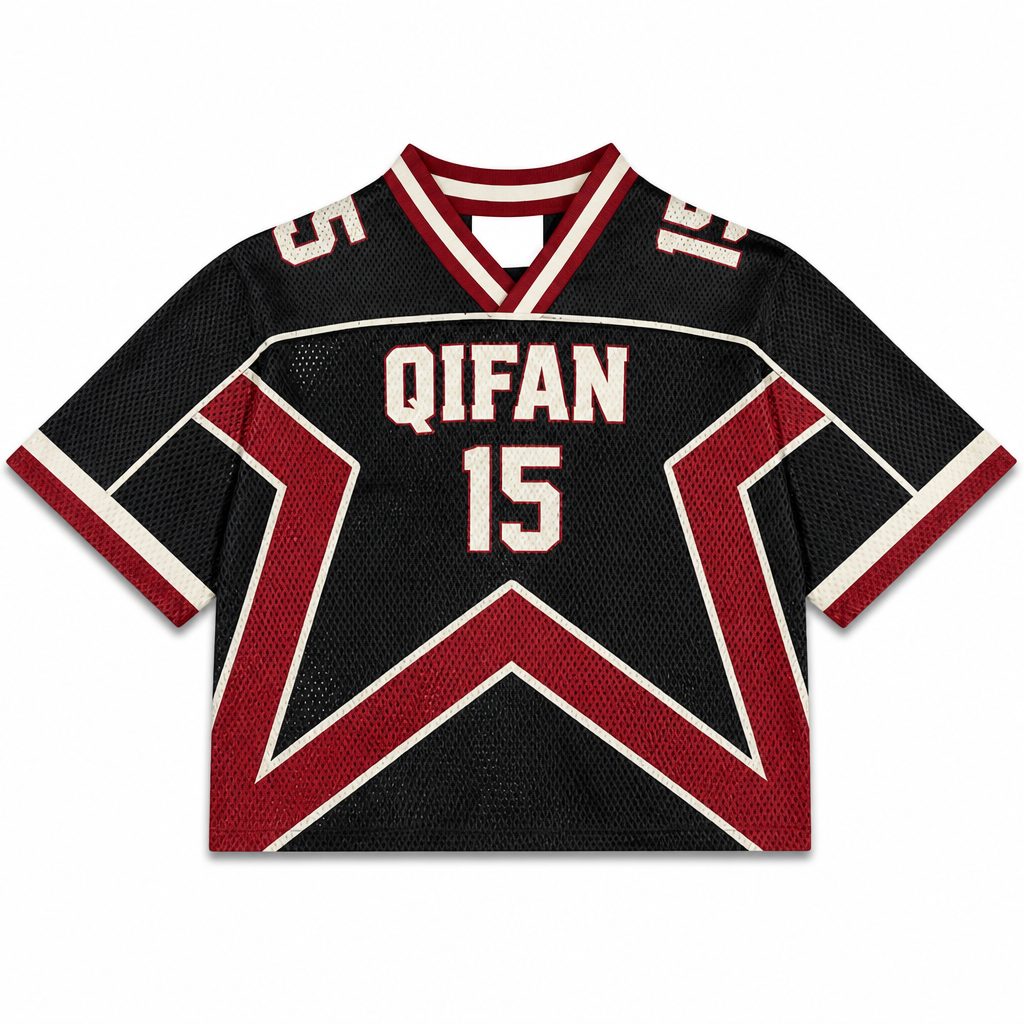
If you are still deciding between production models, our guide to OEM versus ODM manufacturing explains which questions change with the model.
How to Run the 12 Checks in One Week
Day one: email all candidates the same written brief and the same question list. Comparing answers only works if the questions were identical. Day two and three: score the replies, including how long each took. Day four: ask the shortlist for the production entity, the sample and bulk timelines, and a split quotation. Day five: request samples and agree the approval process before paying anything.
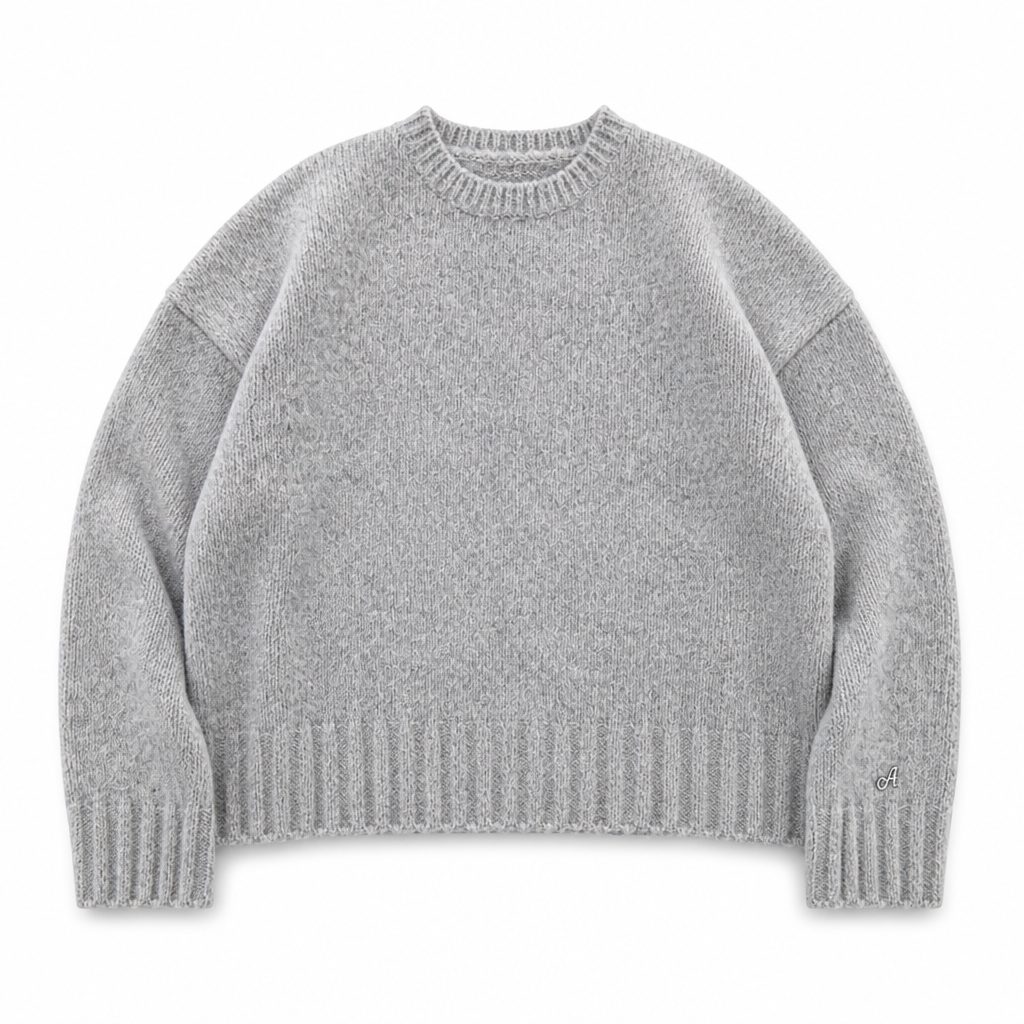
Then write one page that captures the spec, the timeline, the approval sign-off and the payment schedule. Everything you agreed verbally belongs on that page, because it is the only version both sides can hold each other to. Our manufacturing and production page shows how these stages connect once production starts.
Vetting Is Cheap, Replacing a Supplier Is Not
A first order carries more risk per piece than any order that follows it. The brands that scale smoothly are usually the ones that spent one extra week asking questions while the answer was still free. Once you know how a factory thinks, choosing becomes straightforward, and products like custom tops for streetwear collections are simply the output of a process you already trust.
If you want the checks applied to your project, send us your brief and specification. We reply to inquiries within one working day, and we will tell you plainly what is straightforward and what needs development.
Frequently Asked Questions
What should I verify before paying a deposit to a clothing manufacturer?
Verify the production entity and factory address, the itemised quotation, the sample and bulk timelines, the minimum order quantity as applied to your size range, the quality checkpoints, and the payment schedule written into the contract. Get all of it in writing. Anything that only exists in a chat message is not yet an agreement.
What is a normal minimum order quantity for a streetwear manufacturer?
INFULLSAIL works to a minimum of 100 pieces per style, per color. Sizes can be mixed within one colourway, while each colour is treated as its own order. Lower trial quantities can be discussed and are assessed case by case, depending on the style and the techniques involved.
How long does sampling and bulk production take?
Sampling typically takes around two weeks. Bulk production typically takes three to four weeks after the sample is approved. Both vary with the fabric, the wash and the number of techniques in the style, and the schedule is confirmed in the quotation.
Should I ask for certifications before or after ordering?
Before. Ask which certifications the factory holds and how they apply to your project. INFULLSAIL holds BSCI social compliance certification, and material certifications such as OEKO-TEX are confirmed per project at the quotation stage. Ask for the certificate name and what it covers rather than accepting a logo on a page.
What if a manufacturer refuses to answer questions in writing?
Treat it as a decision point rather than a delay. Written answers are how both sides stay aligned once production starts. A factory unwilling to confirm timelines and terms in writing before an order is unlikely to become more transparent after one.
Do you accept small trial orders before a full production run?
Yes, in many cases. Trial runs below the standard minimum are assessed individually according to the style and the processes required, and the terms are set out in the quotation. It is often the fastest way to test the fit between a brand and a manufacturing process before either side commits to volume.
Ready to have your project reviewed against these checks? Contact our team with your brief, quantities and target dates, and we will come back with a clear answer on what is straightforward, what needs development, and what it will take to produce.