MOQ 100 Pieces Per Style, Per Color: How Streetwear Orders Work
A minimum order quantity decides which products a brand can afford to try. Set it too high and a small label cannot launch; set it too low and the factory cannot buy fabric, cut efficiently or hold quality steady. Understanding how a minimum is actually applied is the difference between a launch that fits your budget and a warehouse full of the wrong colour.
This guide explains how a minimum of 100 pieces per style, per color works in practice, how it interacts with colours and sizes, and how to plan a first order around it.
Key Takeaways
- The minimum is counted per style and per color, so two colors of one style means two orders.
- Sizes can be mixed inside one colourway, which lets you spread a colorway across a real size curve.
- Reorders usually carry the same minimum as the first order, which affects restock planning.
- A minimum exists because fabric, cutting and finishing all have setup steps that only pay off above a certain volume.
- Trial quantities below the standard minimum can sometimes be agreed, but they are assessed per style and per process.
- Plan the colorway before the artwork: colour is the variable that multiplies the order.
What "100 Pieces Per Style, Per Color" Actually Means
The standard minimum at INFULLSAIL is 100 pieces per style, per color. Read it as three separate units of counting: style, colour, and the number that applies to each combination of the two.
If you order one hoodie design in black, the minimum is 100 pieces. If you order the same hoodie in black and in washed grey, you are placing two colour groups, each with its own 100-piece minimum. The style is identical, the pattern is identical, but the fabric, the dyeing and the finishing run separately for each colour, so each colour carries its own setup.
This is the single most common misunderstanding in a first quotation, and it is worth resolving before you commit to a season's range. A five-colour drop of one style is not a 100-piece order; it is a five-fold commitment that a factory has to schedule, buy for and wash separately. Know that before you build the lookbook. See how this works across our custom hoodies and sweatshirts.
Why the Minimum Exists at All
Three costs sit at the front of every order and do not shrink with volume: fabric minimums from the mill, cutting setup, and the first run through washing and finishing. A factory that accepted 20 pieces would still pay those costs once, which is why an artificially low minimum usually shows up later as a higher unit price or a rejected order.
The practical consequence for a brand is simple. The minimum is not a sales policy, it is the point at which the factory can produce the garment at the quality you approved and still sustain the relationship. Ask any supplier where their number comes from and you will learn how they cut.
How the Minimum Applies Across Colors and Sizes
Sizes and colours behave differently, and mixing them up causes most of the confusion.
Inside one colourway, sizes can be mixed. A 100-piece black hoodie order can be split across S, M, L, XL and XXL in any proportion you expect to sell, which means your first order can follow a real size curve instead of a flat spread.
Across colours, the order splits. Each colour is treated as its own group and carries its own minimum, because fabric is dyed, cut and washed per colour. If a colour fails to sell, it is that colour's stock you are carrying, not the whole style.
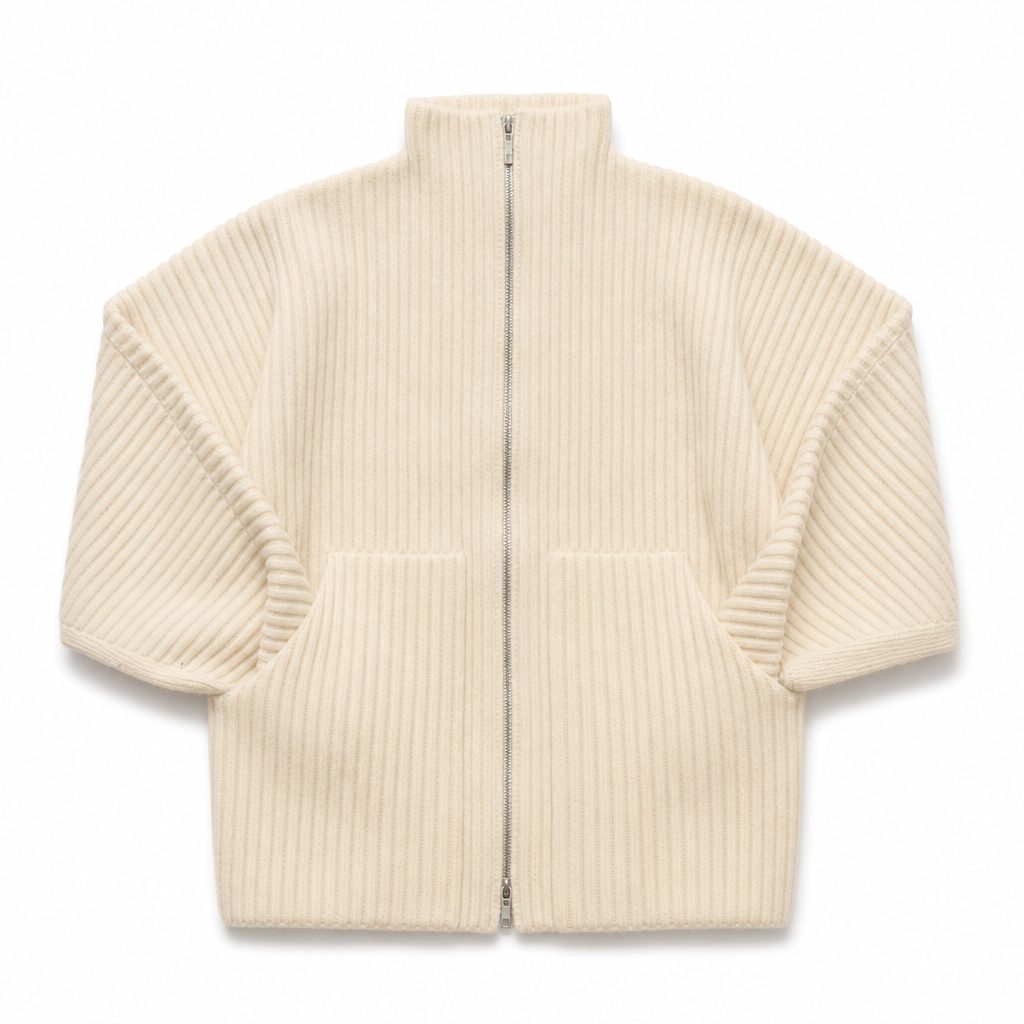
Plan colour as your multiplier and size as your distribution. Brands that think about colour first usually place a smaller, better-targeted first order than brands that design five colourways and then discover the arithmetic. Our custom bottoms range shows how a category is usually built up colour by colour over several drops rather than all at once.
Planning a First Order Around the Minimum
Start from what you can realistically sell, then work backwards. Take the number of units you expect to sell in a colour, not the number you hope to sell, and check whether it clears the minimum. If it does not, you have three options that do not involve getting a factory to bend its number.
First, reduce the number of colours in the first drop and add the rest on reorder, once you have sales data. Second, put more sizes of the same colour into the order, since size mixing is allowed within a colourway. Third, choose a style whose processes are simpler, because complex washes and multiple print placements add setup cost that makes a small quantity harder to justify.
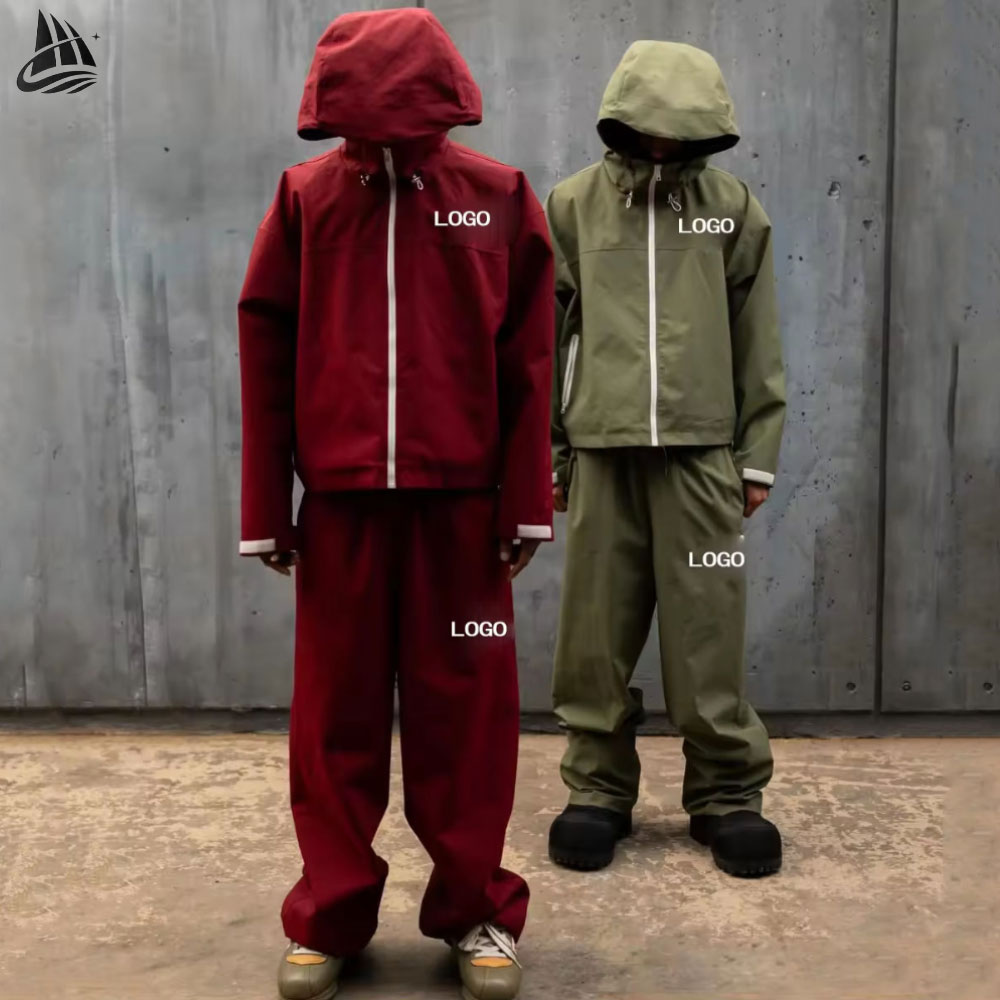
The order that launches a brand is rarely the order that defines it. Most brands we work with start narrower than their original plan and widen once one colour proves itself. That is a commercial decision, not a compromise, and it protects the budget that pays for the next drop.
Sampling, Approval and Reorders
Production and sampling are separate steps. Sampling is charged on its own and quoted upfront, and it typically takes around two weeks. Bulk production typically runs three to four weeks after the sample is approved.
The sample fee may be credited against the bulk order, but only where the bulk quantity is large enough, as set out in the quotation. Treat any offer of credit as conditional rather than automatic, and confirm it in writing before you rely on it in your costings. The sample itself is what you are buying first: it is the specification both sides will be measured against. If you are still choosing a partner, our guide to vetting a streetwear manufacturer covers the checks worth running before money moves.
Reorders are usually placed at the same minimum as the first order, so a restock of a bestseller is predictable. The practical work happens before the first order, not after. Confirm the fabric is repeatable, keep the approved sample and the size set, and note the wash recipe, because a reorder is only as consistent as the record kept the first time. Reorder terms are set out in the quotation and confirmed in the contract.
When the Minimum Does Not Fit Your Plan
If your first drop is genuinely smaller than the standard minimum, say so early. Trial quantities below the minimum can sometimes be agreed, and they are assessed per style according to the fabric, the wash and the processes involved. The terms are confirmed in the quotation.
Being open about volume works better than trying to negotiate a number into existence. A factory that knows your real quantity and your launch date can tell you what is possible, what to postpone, and where a change of fabric or construction would let a smaller run make sense. That conversation is also the fastest way to find out whether a supplier is interested in the relationship or only in the order.
Frequently Asked Questions
What does a minimum order quantity of 100 pieces per style, per color mean?
It means 100 pieces are counted separately for each style and each colour. One style in one colour is a 100-piece order. The same style in two colours is two colour groups, each with its own minimum, because fabric is dyed, cut and washed per colour.
Can I mix sizes within one color to reach the minimum?
Yes. Sizes can be mixed inside a single colourway, so 100 pieces of one colour can be distributed across the size curve you expect to sell. The minimum applies to the colour, not to each individual size.
Is the minimum the same for a reorder?
Reorders are normally placed at the same minimum as the original order. Terms for a specific repeat order are set out in the quotation and confirmed in the contract, and keeping the original specification makes the repeat far easier to match.
Can you produce fewer than 100 pieces for a trial run?
Trial quantities below the standard minimum can sometimes be agreed. They are assessed case by case according to the style and the processes involved, and the terms are set out in the quotation. It is best to raise this at the first conversation rather than after receiving a standard quotation.
How long does the first order take from sample to delivery?
Sampling typically takes around two weeks, and bulk production typically takes three to four weeks after the sample is approved. Total time depends on the fabric, the wash and how many techniques the style uses, and the schedule is confirmed in the quotation.
Does the minimum change if the fabric is more expensive?
Fabric affects cost and lead time rather than the counted minimum. Where a premium or imported fabric has its own mill minimum, that can set an effective floor for a specific order, and it is confirmed at quotation stage.
Send us your range plan with the colours and expected quantities per colour, and we will tell you plainly which parts fit the standard minimum, which need adjusting, and what a first order would look like. Contact our team and we will reply within one working day. You can also see how the stages connect on our manufacturing and production page.