Reorders and Restocks: Keeping Colours Consistent
A reorder is the cheapest sale in the business and the easiest one to lose. The customer already likes the product; all the second order has to do is look like the first. When it does not, the problem is almost never the pattern. It is the shade, the fabric lot, or a trim that was substituted without anyone noticing.
This guide is about the paperwork and the production decisions that make a restock match: what has to be recorded on the first order, how to handle a fabric lot that no longer exists, and how to plan a repeat run so the comparison happens before shipping rather than after.
Key Takeaways
- Colour drift on a reorder is usually a dye lot change, not a new dye recipe — and it is invisible until two garments sit side by side.
- Keep the approved lab dip, the fabric reference and the trim references with the order file; a reorder is matched to a record, not to memory.
- When the original lot is gone, the new lot is dyed to the approved standard and re-approved on a swatch before cutting.
- Trim substitution is the quietest source of mismatch: thread, rib, drawcord and zip all have colour codes of their own.
- Plan the repeat while the first run is still in production, when the fabric and trims are still traceable.
Why a Reorder Drifts
Fabric is dyed in lots, and each lot has its own shade. Two lots dyed to the same recipe in different weeks can sit slightly apart, and the difference is usually small enough to pass on its own while being obvious in comparison. That is why a restock that "looks off" is often technically within tolerance: nobody made an error, the reference simply moved.
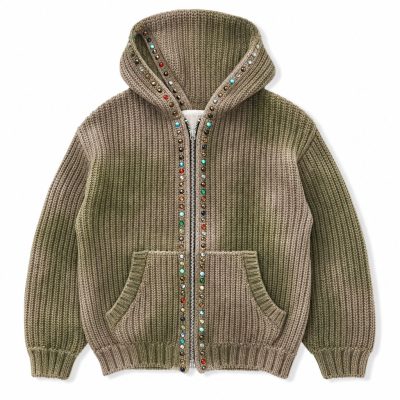
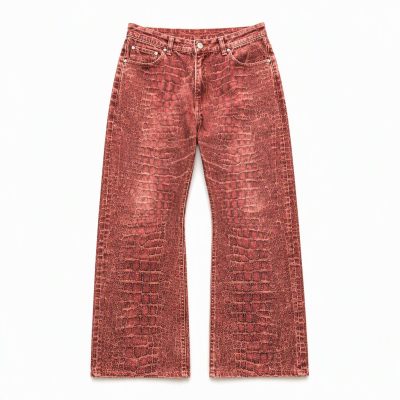
Washed and garment-dyed styles drift more, because the finish adds a second variable. Two identical greige fabrics put through the same wash programme can land in slightly different places if the machine load, the water or the timing differs. Our notes on scaling a vintage fade across a bulk run cover that interaction in more detail.
The third source is not colour at all. It is weight and hand feel: a substitute fabric that matches the shade but not the drape will read as a different garment. The fourth is trim — thread, rib, cord and hardware each carry their own colour code, and a thread substitution is enough to make a print or embroidery look wrong.
Records That Make a Match Possible
A reorder can only be matched to something. The first order should leave behind a small, specific record: the approved lab dip or strike-off, the fabric article reference and weight, the dye lot number, the trim colour codes, and the approved sample signed and dated. Four pages of documentation remove most of the guesswork from a repeat run.
Photographs help but do not replace a physical reference. A colour approved on a screen is a colour approved in someone's monitor settings; a swatch and an approved sample are the only references a dyehouse can work to. Where a brand keeps its own archive, the factory copy and the brand copy should be compared once at approval so both are the same standard.
It is also worth recording what the first order actually consumed: metres per colour, thread cones per style, and the trims ordered in excess. That number is what tells a buyer, months later, how much fabric a restock really needs — and whether the remaining stock of the original lot is enough to cover it.
When the Original Lot Is Gone
Most reorders eventually reach the point where the original fabric lot is finished. The honest sequence at that point is: dye a new lot to the approved standard, submit a swatch, get it approved against the original reference — ideally with both swatches side by side in daylight — and only then cut.
That approval step is not bureaucracy; it is the point where a small shade shift can be accepted deliberately or rejected while it is still cheap. Skipping it and relying on "same recipe" is how a restock arrives that nobody wants to photograph next to the original.
If the shift is unavoidable and the quantity is large, there are options worth discussing with the factory: splitting the run so that each shipment stays within one lot, using the new shade for a variation of the style rather than a repeat, or garment dyeing the repeat so the finish reads intentionally different. What is not worth doing is mixing two lots inside one shipment without telling the buyer.
Planning a Reorder Before You Need One
The best time to plan a restock is while the first order is still on the line. At that point the fabric, trims and thread are all traceable, and reserving a quantity for the repeat costs a conversation rather than a new dye lot.
Reserve fabric with the first run. If a style is expected to repeat, ask for the repeat volume to be covered from the same lot where possible, and record how much is held.
Fix the trim list. Thread codes, rib references, cord and hardware should be written into the specification, so a second order does not silently pick up a different batch of the same nominal colour.
Keep the approved sample accessible. A signed sample in a drawer is what a repeat is measured against; a photo in a chat thread is not.
Check before shipping. On the repeat, compare one piece against the archived sample under the same light before the carton is sealed. That single check catches most of what goes wrong, and it is far cheaper than a claim. Our overview of the manufacturing and production workflow shows where that comparison sits in the schedule.
On quantities and timing, the standard minimum is 100 pieces per style, per colour, with sizes mixable inside a colour, and smaller trial runs can be discussed case by case depending on the construction. Sampling is quoted per style and typically takes two to three weeks. Bulk production for around 100 pieces usually runs about three weeks after sample approval, depending on the requirements and the factory schedule at that moment. Sampling fees are quoted separately and can only be offset against bulk when the bulk volume is large enough, which is confirmed at quotation.
Fabric and finishing references for repeat orders sit in our fabrics and processes reference, and the base garments these references apply to are listed under custom tops production.
FAQ: Reorders and Restocks
Why does my restock look slightly different from the first order?
In most cases the fabric came from a different dye lot, so the shade moved a little while the recipe stayed the same. Washed and garment-dyed styles also pick up variation from the finishing process, because machine load and timing affect the result. The control is to keep the approved lab dip and sample on file, and to approve a swatch of the new lot against the original before any cutting happens.
Can I reorder the exact same fabric lot later?
Sometimes, and it depends on how much of the lot remains and whether it was reserved. Fabric is produced in batches, so the practical approach is to ask for the repeat volume to be reserved from the same lot while the first order is still running. If that was not done, the repeat is dyed to the approved standard rather than to the lot, which is why the swatch approval step matters.
How do I handle trim colours on a repeat order?
Write the trim references into the specification: thread codes, rib article, drawcord and hardware finish. Trims are produced in batches too, so the same nominal colour can arrive slightly different. Comparing the trim against the archived sample at the start of production is simpler than discovering the difference on finished garments.
What should I keep from the first order?
The approved lab dip or strike-off, the fabric article and weight, the dye lot number, the trim references, and a signed production sample. Add the consumption figures — metres per colour and trims per style — because those tell you later how much fabric a repeat needs and whether the original lot can still cover it.
How long does a reorder take?
A repeat with fabric and trims already available usually moves faster than the first run, because the pattern and specifications are settled. Sampling of a change is quoted per style and typically takes two to three weeks; bulk production for around 100 pieces usually runs about three weeks after approval, depending on the requirements and the factory schedule at that moment. A new dye lot adds its own lead time.
How small can a restock order be?
100 pieces per style, per colour, with sizes mixable inside a colour, and smaller trial runs can be discussed case by case. On a repeat, the efficient approach is usually to concentrate the order on the sizes and colours that sold rather than repeating the original size curve, as long as the minimum per colour is respected.
Next step. Send the style, the colour and any reference you still hold from the first order, and you will get a repeat quotation with the fabric and trim position confirmed. Contact our team to start the review.