Custom Cargo Pants: Pocket Layouts and Utility Detailing
Cargo pants are sold on their pockets. The silhouette gets a customer to click, but the pocket layout decides whether the garment reads as workwear or as decoration. A cargo pant with pockets in the wrong place, sewn at the wrong depth, or cut in the wrong fabric looks like a costume; the same pant designed against actual use reads as equipment.
This guide covers the pocket and detailing decisions that shape a custom cargo programme, and how to specify them so the bulk order matches the sample.
Key Takeaways
- Pocket placement is a design decision and a construction decision at the same time.
- Depth, flap design, closure type and reinforcement each change how a pocket functions.
- Fabric weight and weave decide whether a pocket holds its shape or collapses.
- Utility detailing adds cost at every step, so each element should earn its place.
- Hardware durability matters more than hardware appearance.
- Approve pockets on the actual production fabric, because they behave differently in every cloth.
Pocket Layout: Where the Pockets Go
A standard cargo pant carries two pocket types: the side pockets at the hip, and the cargo pockets on the leg. Everything after that is a decision about placement, size and count.
Hip pockets follow the trouser pattern and are usually the least visible design element. Their job is function, meaning hand entry, a phone, keys. The decision here is depth, which should follow the size of the item a customer actually carries rather than a measurement copied from another style.
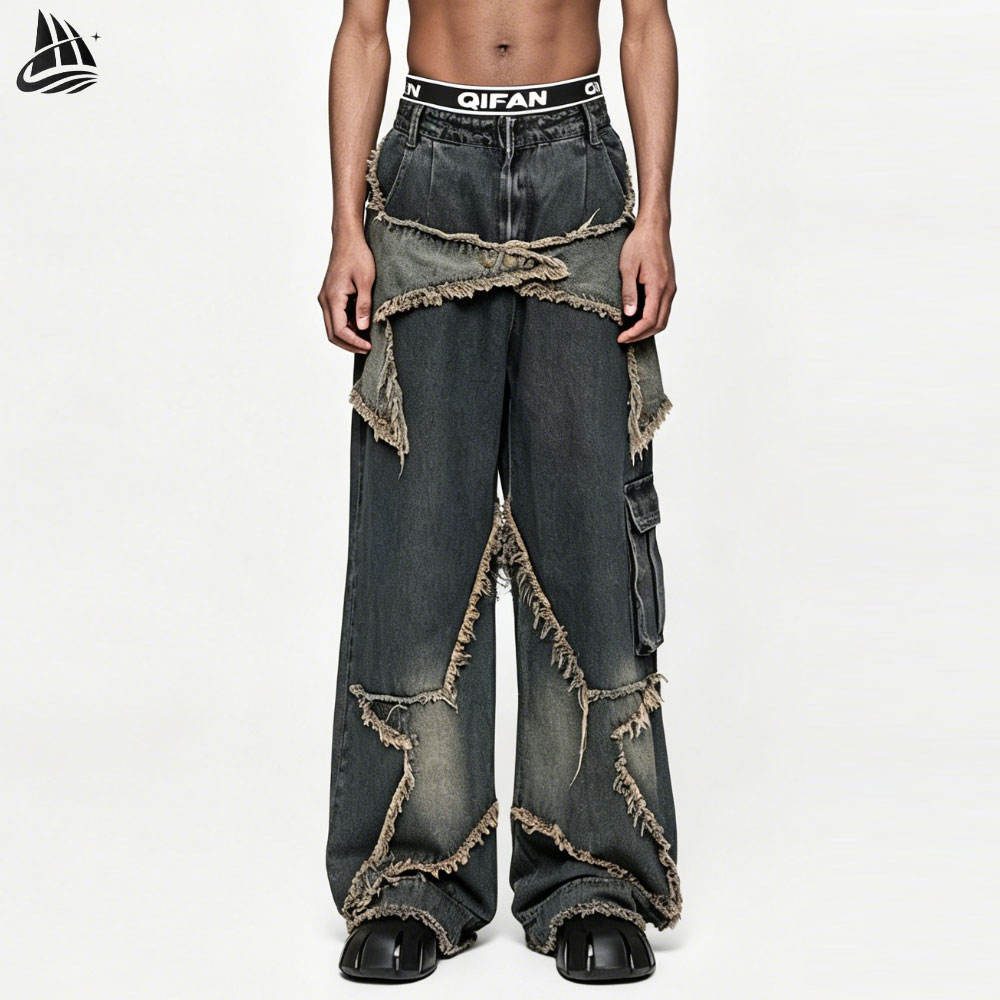
Cargo pockets sit on the thigh, usually between the hip and the knee. Placing them above the knee keeps the pocket clear of the joint when walking, which is why utility garments position them slightly higher than a fashion reference might suggest. Moving the pocket down for a look also moves it into the movement path, and that is the most common reason a cargo pant feels awkward in wear.
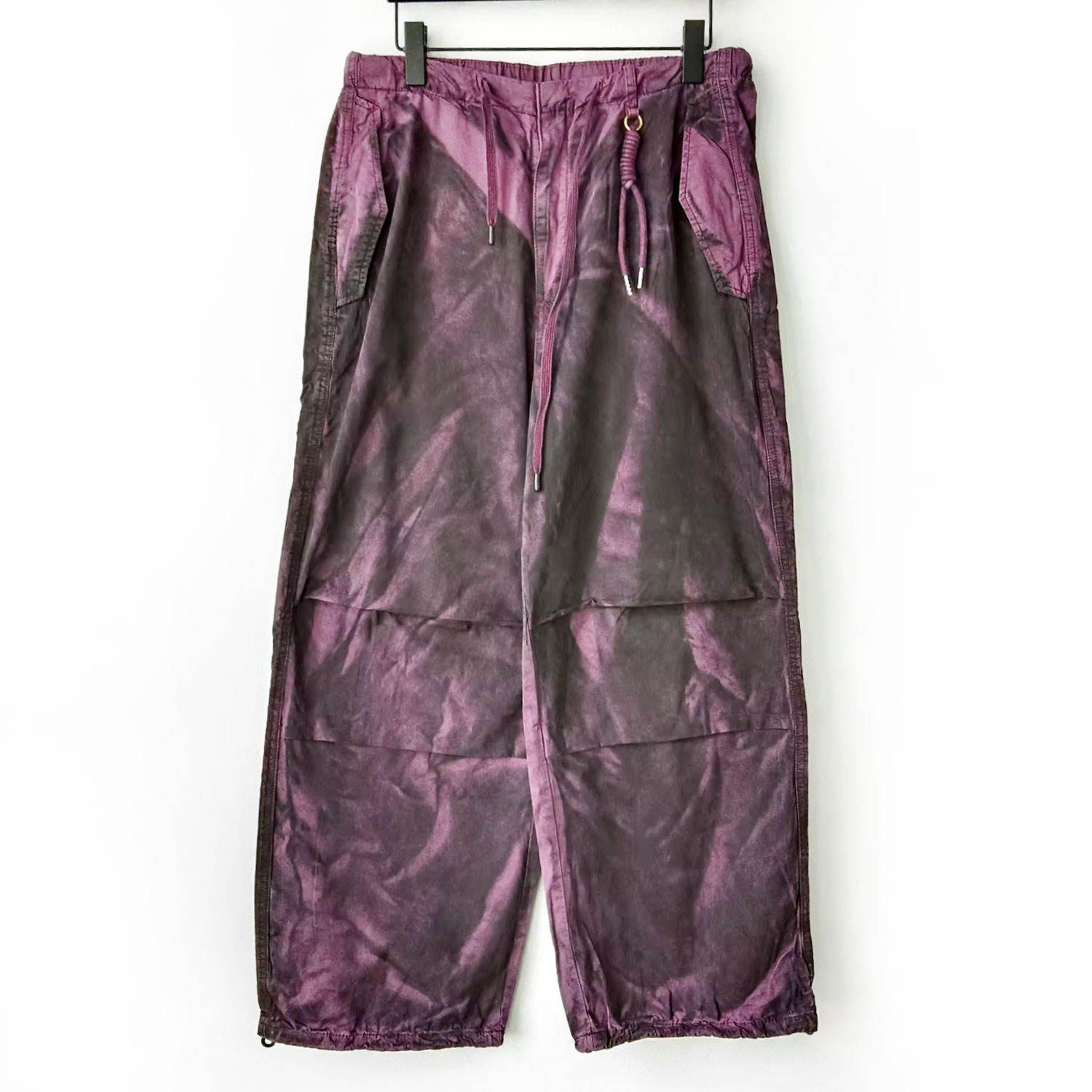
Bellowed pockets are the classic construction. The side wall of fabric expands as it fills, allowing capacity without changing the outer profile when empty. Flat patch pockets look cleaner and cost less, but they hold less and sit tighter to the leg.
If a range includes a second style, vary the pocket layout rather than only the colour. Two cargo pants with identical pockets and different washes compete with each other, while two with different utility stories give a customer a reason to choose.
The Detailing That Makes a Pocket Work
Once placement is settled, four details decide whether the pocket functions.
Depth and opening come first. A deep pocket with a narrow opening is difficult to use, so the opening should suit the hand and the item, and the depth should stop where it stops being useful rather than continuing to the hem.
Flap design follows. Flaps protect contents and anchor the eye. A straight flap reads technical and a shaped flap reads fashion, but the underlap matters more than the shape, because a flap that does not cover the opening does not protect anything.
Closure type comes third. Buttons, snaps, hook-and-loop and zips each behave differently. Hook-and-loop is fast and quiet, snaps are more durable and more formal, and zips are the most secure while being the least forgiving of a poor installation. For streetwear, zip closures on the thigh pocket have become a signature detail, and they should be specified with the zip type and length.
Reinforcement comes last, and it is where garments fail first. Pocket mouths, corners and bar tacks are the points that take repeated load, and reinforcement is the detail most often removed when a garment is costed down.
Matching Fabric to Pocket Design
The fabric decides how a pocket behaves before the pattern does.
Heavier canvas and twill hold a bellowed pocket open, which keeps the cargo silhouette legible, but they also add bulk at the thigh. Lighter twills drape better and collapse more when the pocket is empty, which is why light cargo pants often photograph flatter.
Washed and distressed finishes relax the fabric and change how a pocket sits, so a pocket approved on raw fabric does not necessarily look the same after washing. Our post on denim distressing methods at volume explains the same principle for bottoms generally.
Stretch content changes recovery. A small amount of stretch improves comfort and movement, but it also affects how a loaded pocket returns to shape, so if the garment will be worn as workwear rather than as a look, that trade-off belongs in the specification.
Specifying Cargo Detailing for a Bulk Run
Write the specification as measurements a cutter and a sewer can follow, not as visual descriptions.
Give each pocket a name, an exact position measured from a stated reference such as the side seam or the waistband, and a size in millimetres. State the closure type and the hardware specification, including finish and size. Note where reinforcement is required and how it is executed.
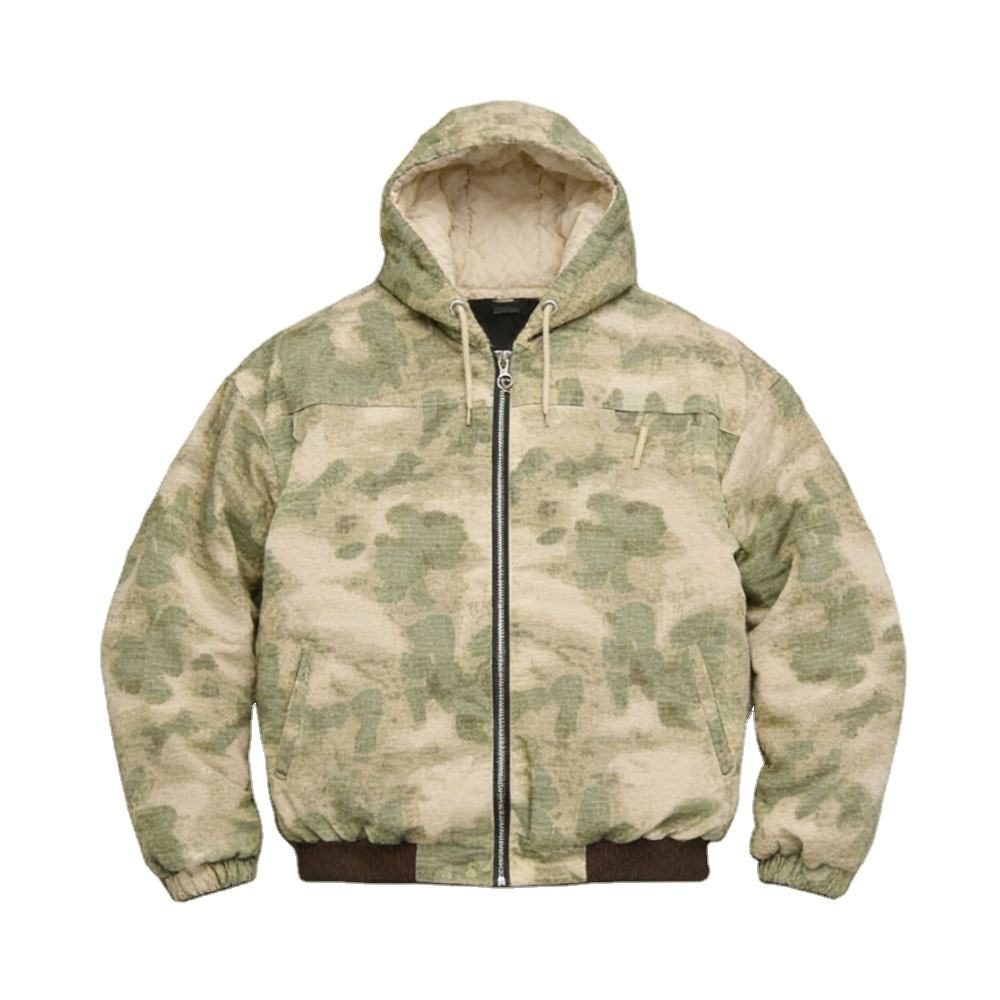
Then record the finishing order, because washing after pocket construction affects both shape and hardware. Keep an approved sample with the specification, since pockets are the feature most likely to be discussed after delivery and a physical reference ends that discussion faster than any description.
Once the construction is fixed, the schedule follows a normal pattern: sampling typically takes around two weeks, and bulk production typically runs three to four weeks after approval, as set out in our sample to bulk timeline. You can see how the finished styles come together across our custom cargo pants range.
Frequently Asked Questions
How many pockets should a custom cargo pant have?
There is no fixed number. Two hip pockets plus two thigh cargo pockets is the common baseline. Additional pockets add cost and weight, so each one should have a stated purpose, whether that is capacity, security or visual balance.
What is the difference between a bellowed pocket and a patch pocket?
A bellowed pocket has a side wall that expands as it fills, so capacity increases without changing the outer profile. A patch pocket is flat and sewn directly to the garment, which looks cleaner and costs less, but holds less and sits tighter to the leg.
Where should cargo pockets sit on the leg?
Usually between the hip and the knee, positioned high enough to stay clear of the knee when walking. Placing them lower for a visual effect also places them in the movement path, which is the most common reason a cargo pant feels awkward on the body.
Does the fabric change how pockets look?
Yes. Heavier canvas and twill hold a pocket open and keep the silhouette legible, while lighter twills collapse more when empty. Washing changes how a pocket sits as well, so a pocket approved on raw fabric can look different after finishing.
What hardware should I specify for cargo pants?
Specify the closure type and, where relevant, the zip or snap specification including finish and size. Durability matters more than appearance here, because thigh pockets take repeated opening and load. Reinforcement at pocket mouths and corners protects the garment where it fails first.
Does detailing change the minimum order quantity?
The counted minimum does not change: the standard remains 100 pieces per style, per color. Additional detailing increases cost and production time, because each element adds a step, and this is confirmed at quotation stage.
Send us your reference pair or a sketch of the pocket layout you want, and we will confirm what is achievable in your fabric and what it changes about cost and timing. Contact our team with your sizes and quantities and we will reply within one working day.