Sample to Bulk: A Realistic Custom Apparel Production Timeline
A launch date is only as reliable as the timeline behind it. Brands miss drops not because a factory was slow, but because they counted the sampling stage as a formality and left no room for the step where most of the real development happens. Understanding what each stage actually takes is what turns a target date into a plan.
This guide walks through a custom apparel order from brief to bulk, the time each stage typically needs, and where schedules realistically slip.
Key Takeaways
- Sampling typically takes around two weeks, and it is development work rather than a formality.
- Bulk production typically takes three to four weeks after the sample is approved.
- Sampling is charged separately and quoted upfront, so it belongs in your budget from the start.
- The timeline only starts once the specification, fabrics and trims are confirmed in writing.
- Most slippage happens before production: unclear specs, late artwork and fabric substitutions.
- Shipping time sits on top of production and depends on the freight method you choose.
The Stages of a Custom Apparel Order
An order moves through four stages: development, sampling, bulk production and shipping. Each has its own clock and its own inputs, and the clock only starts when the inputs arrive.
Development covers the specification: fabrics, trims, measurements, print or embroidery placement, and the size set. Sampling turns that specification into a physical garment. Bulk production repeats the approved sample at volume. Shipping moves the finished goods to you by sea, air or land, depending on your deadline and budget.
The practical point is that development and sampling both sit before the number most brands quote to their own customers. If you plan around production alone, you are planning around the shortest part of the process. Our manufacturing and production page shows how these stages connect.
Sampling: About Two Weeks, and What It Covers
Sampling typically takes around two weeks. That window covers sourcing the fabric, cutting the sample, sewing it, applying the decoration, and running any wash or finish the style requires.
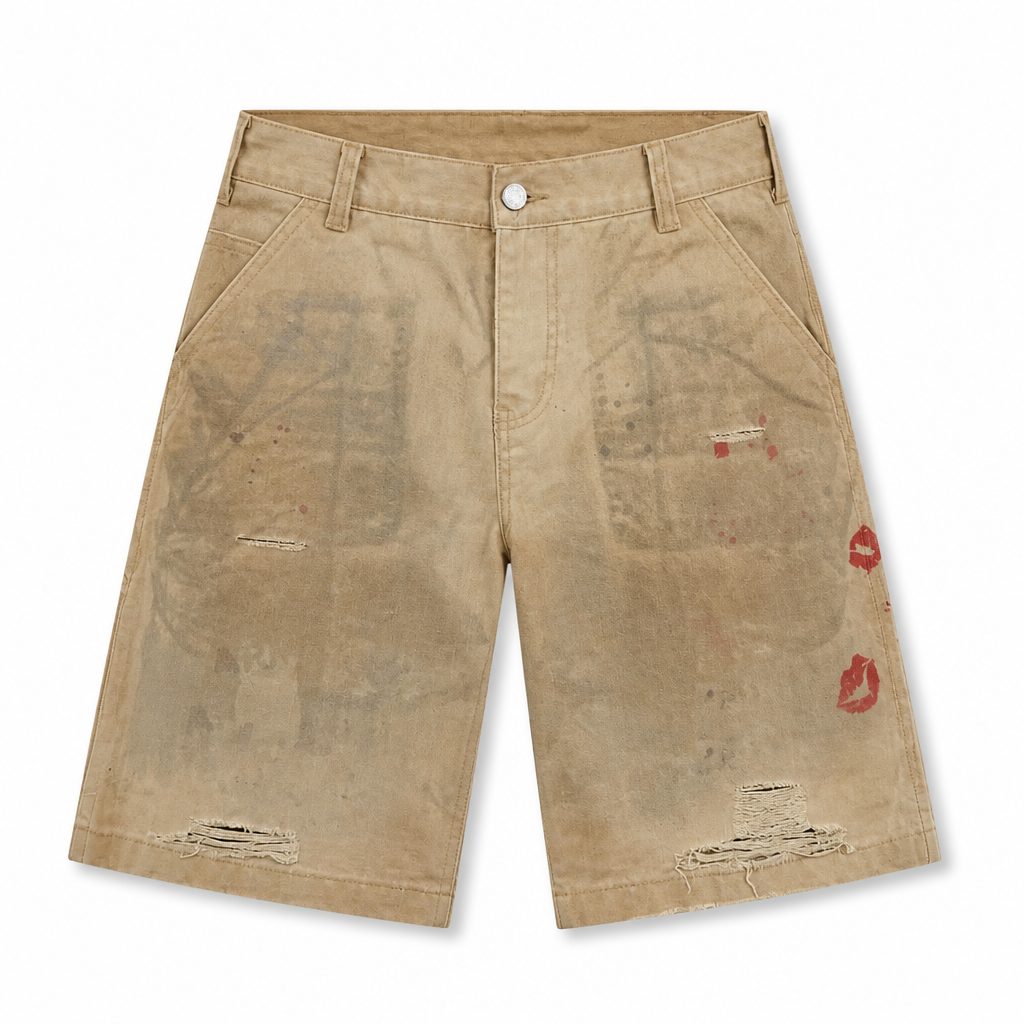
Two weeks is not buffer time, it is the stage where the product is decided. A washed finish is developed here, a print is checked for how it sits on the fabric, and a fit is corrected on a real garment rather than on paper. Brands that treat the sample as a formality usually discover their real specification during bulk, which is the most expensive place to discover it.
Sampling is charged on its own and quoted upfront, so it should appear in your budget from the first conversation rather than at the end. In some cases the fee may be credited against the bulk order, but only where the bulk quantity is large enough, as set out in the quotation. Confirm that condition in writing if you intend to rely on it.
Before the sample is approved, it also helps to know what you are checking, which is why a written specification matters more than a fast reply. Our guide to vetting a streetwear manufacturer covers the questions that prevent rework later.
Bulk Production: Three to Four Weeks After Approval
Bulk production typically takes three to four weeks after the sample is approved. The clock starts on approval, not on the day you first made contact, and not on the day the deposit cleared if the specification was still moving.
Inside that window the factory buys fabric for the whole order, cuts it, sews it, applies the decoration and runs the wash. Styles with several processes take longer than styles with one, and this is where a simple construction saves you weeks rather than days. Colour is also settled here in production terms: each colour runs as its own group against the minimum of 100 pieces per style, per color, so a multi-colour order occupies the line more than once.
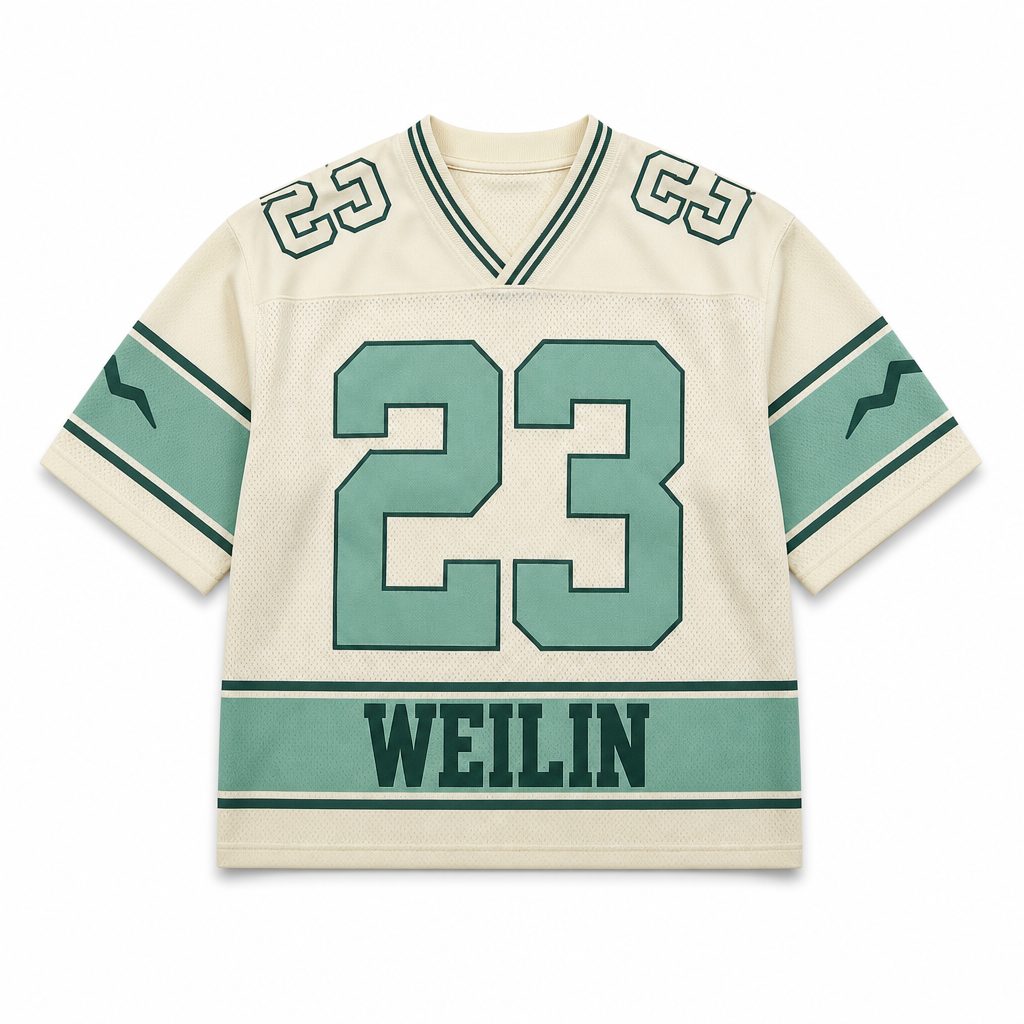
Reorders are placed at the same minimum as the first order, which keeps restocking predictable, but only if the original fabric and specification were recorded properly. Custom hoodies and sweatshirts are a useful example of a category where wash and fabric choices move the timeline more than the pattern does.
Where Timelines Slip and How to Protect Your Launch Date
Most delays are decided before production starts. Four causes account for the majority.
An incomplete specification is the first. If the size set, the fabric weight or the print placement is still open when cutting begins, every later stage inherits the uncertainty.
Late artwork is the second. A graphic that arrives after the sample is approved either delays the order or forces a second sample, and the second sample resets the clock.
Fabric substitution is the third. If the original fabric is unavailable and the replacement is heavier, lighter or shades differently, the wash result changes and the approval has to be repeated.
Waiting for a perfect decision is the fourth. A week spent choosing between two similar fabrics costs less than a week lost after cutting.
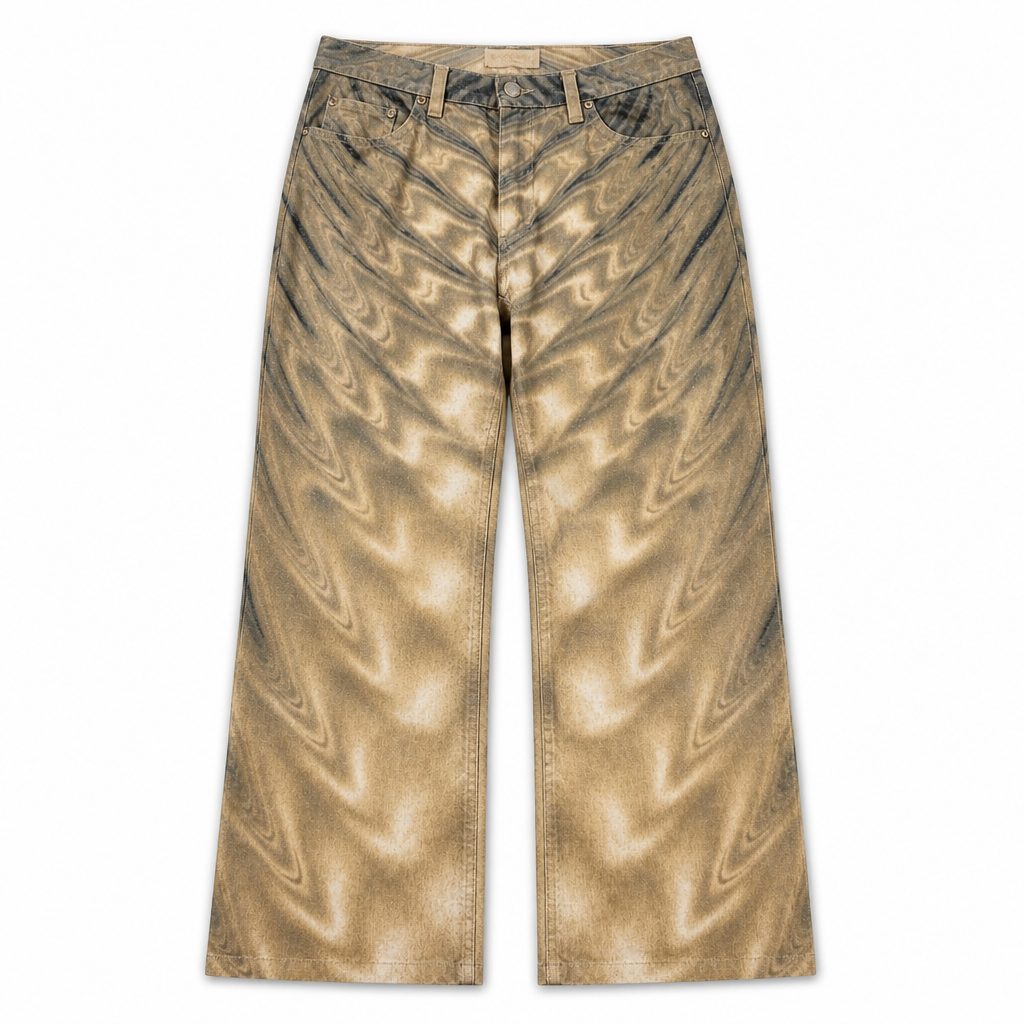
The protection is unglamorous but effective. Lock the specification before sampling, approve the sample in writing, confirm the fabric at the quotation stage, and build the shipping method into the plan rather than treating it as the last line of the order. If your drop date is fixed, work backwards from it and treat sampling, bulk and freight as three separate bookings, each with its own buffer. Our post on how a 100-piece minimum works in practice explains how colour count affects the volume you are committing to.
Frequently Asked Questions
How long does sampling take for custom apparel?
Sampling typically takes around two weeks. That includes sourcing the fabric, cutting and sewing the sample, applying decoration, and completing any wash or finish. Complex styles with several processes can take longer, and the schedule is confirmed in the quotation.
How long does bulk production take after the sample is approved?
Bulk production typically takes three to four weeks after approval. The time depends on the fabric, the number of colours, the wash and the decoration techniques involved, and it is confirmed in the quotation rather than assumed.
Does the timeline start when I pay the deposit?
It starts when the specification is confirmed and the sample is approved. A deposit paid while the specification is still changing does not start production in practice, because the factory cannot buy fabric or cut against a moving specification.
Is the sample fee included in the bulk price?
Sampling is charged separately and quoted upfront. In some cases the fee may be credited against the bulk order, but only where the bulk quantity is large enough, as set out in the quotation. Confirm the condition in writing before relying on it.
What can delay a custom apparel order the most?
Incomplete specifications, artwork delivered after sample approval, fabric substitution after approval, and delayed decisions are the most common causes. All four happen before bulk production, which is why the pre-production stage deserves more planning attention than it usually gets.
How is shipping time calculated?
Shipping is separate from production time and depends on the method. Sea, air and land freight each carry different transit times and costs, and the choice is normally made by weighing your launch date against your budget. Freight is quoted as its own line.
Want your dates checked against a realistic schedule? Contact our team with your styles, quantities and target drop date, and we will reply within one working day with a stage-by-stage view of what fits and what needs adjusting.