Heavyweight Cotton Explained: GSM Ranges for Streetwear
Weight is the first thing buyers ask about and the last thing they define properly. Two hoodies can both be called heavyweight and behave completely differently on a body, in a photograph and after five washes. The number that gets quoted most often, GSM, explains only part of why.
This guide covers what GSM measures, where common streetwear garments sit, and how to write fabric weight into a specification so the approved sample matches the goods that arrive.
Key Takeaways
- GSM measures the mass of the fabric per square metre, not its feel, structure or finish.
- Garment categories sit in different weight bands, and moving up a band changes drape and shrinkage behaviour.
- Two fabrics with the same GSM can differ because of yarn, knit structure and finishing.
- Specify weight together with knit type, yarn count and finish, not on its own.
- Fabric weight affects the sample, the wash result and the unit cost, so it belongs in the specification before sampling.
- Ask for a physical swatch before approving, because weight alone does not describe a fabric.
What GSM Actually Measures
GSM stands for grams per square metre. It is a measure of how much a given area of fabric weighs, which makes it a useful shorthand for density and a poor substitute for a description.
A heavier fabric generally feels more substantial, holds a boxier shape and photographs with more structure, which is why heavyweight styles dominate streetwear ranges. But mass alone does not tell you how a fabric behaves: a dense, tightly knitted fabric and a loose, lofty one can register similar numbers while hanging and washing quite differently.
Two other numbers matter alongside it. Yarn count describes how fine the threads are, and knit structure describes how they are looped together. Together with GSM and finishing, those three determine the fabric you actually receive.
Where Streetwear Weights Sit
The bands below describe commonly used ranges rather than fixed rules, and mills vary within them.
Lightweight jersey, the fabric of a standard promotional tee, typically sits in the lower ranges. It drapes softly, feels thin in the hand and loses shape more quickly under repeated washing.
Mid-weight jersey, usually described as a classic tee weight, holds a cleaner silhouette and takes print well. It is the middle ground most brands start with when they are unsure.
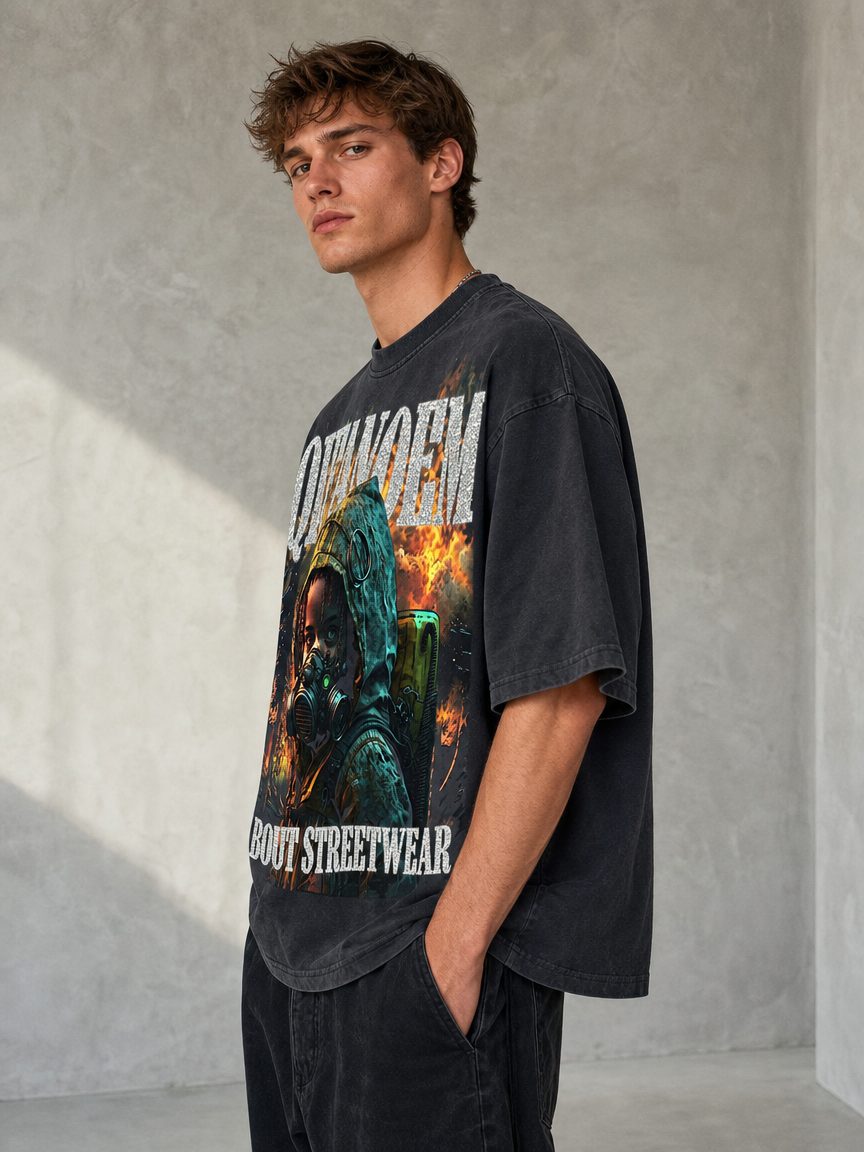
Heavyweight jersey, the boxy tee you associate with premium streetwear drops, is denser and holds a structured shoulder and hem. It shows a garment's shape rather than following the body, and it is less forgiving of a fit that has not been developed properly.
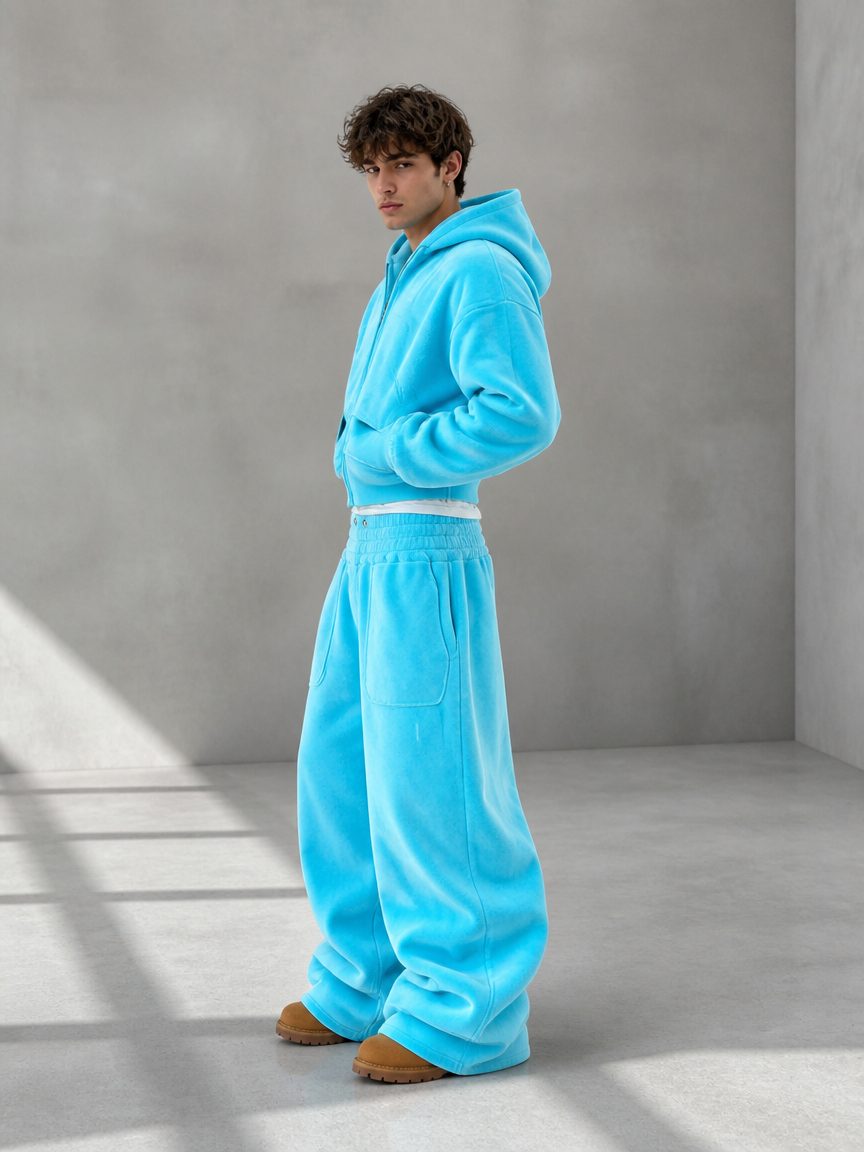
Moving to fleece and terry, which are the fabrics behind hoodies and sweatpants, weights rise again. Fleece is the thicker, brushed construction; French terry is looped on the inside and generally lighter and smoother. Both appear across a wide range, and a heavier version of either will feel warmer and hold a boxier shape. Our page on fabrics and processes shows how these choices connect to finishing.
The practical point for a buyer is that the band matters more than the decimal. Choosing the right band gets you the silhouette; the exact number is a refinement you make against a swatch.
Why Two Fabrics at the Same Weight Behave Differently
This is where most specification mistakes happen.
Yarn quality changes the hand feel before the weight changes at all. A fabric spun from longer staple cotton feels smoother and more durable than one made from shorter fibres at the same density.
Knit structure changes the body of the fabric. A tighter knit with the same weight reads as denser and more structured; a looser knit reads as softer and more relaxed. Both are correct choices for different styles.
Finishing changes everything that happens after dyeing. A washed finish relaxes the fabric and reduces shrinkage, and it can change how heavy the garment feels once worn. This is why vintage and garment-dyed styles are specified as a process rather than a weight alone: the same base fabric produces a different product depending on how it is washed.
The practical instruction that follows is simple. Never approve a fabric from a number in an email. Approve it from a swatch, and approve the finish from a sample.
How to Specify Weight in a Technical Pack
Write the specification in a way a mill, a cutter and a finisher can all follow.
State the weight as a range rather than a single figure, because mills work within tolerances and a single number invites disputes later. Name the knit type, the yarn count where known, and the required finish. Note the intended use, because a fabric intended for a boxy tee and one intended for a hooded sweatshirt are evaluated differently even at similar weights.
Add the measurements you will check: body length, chest, shoulder and sleeve, with tolerances. And record the reference swatch and the approved sample, because those are the physical objects that settle any question about what was agreed.
If the order is a first run, keep the colour count realistic rather than spreading the same volume across several fabrics. Our explanation of how the standard minimum of 100 pieces per style, per color applies is a useful check before you commit to a range. Once the specification is fixed, the production clock starts, and the stages are set out in our sample to bulk timeline.
Frequently Asked Questions
What does GSM mean in fabric?
GSM means grams per square metre: the mass of one square metre of fabric. It is a measure of density and a useful shorthand for how substantial a fabric feels, but it does not describe yarn quality, knit structure or finishing, so it should be specified alongside those.
What GSM is considered heavyweight for a t-shirt?
Heavyweight jersey generally refers to the denser end of the jersey range, comfortably above classic mid-weight tee fabric. Rather than targeting one number, choose the band that produces the silhouette you want, then approve a swatch, because the same nominal weight can drape differently depending on the knit.
Does a higher GSM mean better quality?
No. Higher weight suits boxy, structured streetwear silhouettes and holds shape well. Lighter weights suit softer, more fluid styles and are often better for layering. The right answer depends on the garment you are selling, not on the number being the largest available.
Why does my heavyweight hoodie shrink after washing?
Shrinkage depends on the fabric's finishing and how it was washed, not only on weight. A washed or pre-shrunk finish reduces the change between sample and delivery. If shrinkage matters for your product, raise it at the specification stage so the finish and the wash process account for it.
Should I specify weight or fabric name?
Specify both, plus the knit type and finish. Fabric names vary between mills, so a name alone is ambiguous. Weight, construction and finish together give the mill and the factory enough information to produce what you approved.
How do I compare fabric swatches from different suppliers?
Ask each supplier for the weight range, yarn details, knit type and finish, then compare the swatches physically under the same light. Judge hand feel, drape and shade together, since a swatch that photographs well can still feel wrong in the hand.
Send us your specification, or the swatch you are working from, and we will confirm what is achievable in the fabric you need and how it affects the sample. Contact our team with your styles and quantities and we will reply within one working day.