Screen Printing vs DTG vs Hybrid: Print Methods for Streetwear
Print is usually the reason a customer buys the garment and the most common reason an order is rejected. Ink choice changes how a graphic reads on dark fabric, how it feels to the hand, how it survives washing, and how much a bulk run costs per unit. Choosing the wrong method is rarely a printing failure; it is a specification failure that happens months earlier.
This guide compares the three methods streetwear brands use most, explains where each one wins, and sets out what to settle before a print goes to bulk.
Key Takeaways
- Screen printing suits high-volume runs, strong colour coverage and specific pantones.
- Direct-to-garment suits detailed artwork and short runs, with a softer feel and a different price curve.
- Hybrid methods combine a printed base with a screen-printed overlay to solve specific artwork problems.
- Ink choice, mesh count and curing determine how a print feels and how long it lasts.
- Artwork must be supplied as a vector file where possible, with a defined colour reference.
- Approve a physical print on your actual fabric, not a screen image on a white background.
Screen Printing: Built for Volume and Coverage
Screen printing pushes ink through a mesh stencil, one screen per colour. It is the traditional streetwear method and still the strongest option for large runs, bold graphics and solid blocks of colour.
Its advantages are coverage and control. Ink sits on the surface of the fabric, which makes colours opaque and consistent across a run, and it allows the heavy ink deposit that produces the raised feel buyers associate with premium graphic tees. Pantone matching is practical, and the same screens can be reused for a reorder, which lowers the cost of a repeat run.
Its limits are practical too. Each colour needs its own screen, so setup cost is front-loaded and a ten-colour graphic carries ten times the setup of a one-colour print. Fine gradients and photographic detail are difficult to reproduce well, and the print has a physical hand feel that is either a selling point or a drawback depending on the product.
Direct-to-Garment: Built for Detail and Short Runs
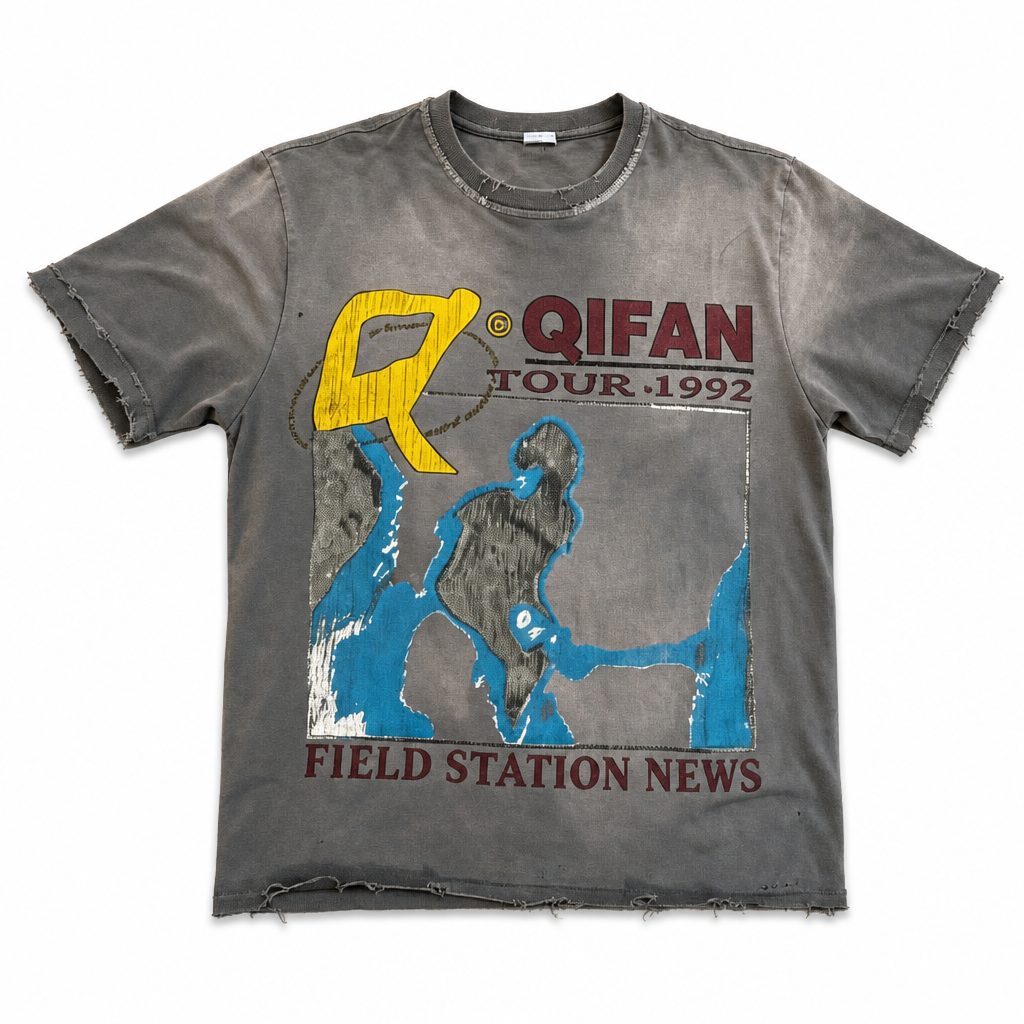
Direct-to-garment printing applies ink directly to the garment, similar to a digital printer. It needs no screens, which removes setup cost and makes small runs and one-off pieces commercially sensible.
Its advantage is detail. Gradients, photographic elements and multi-colour artwork reproduce without the screen-per-colour cost, and the ink sits partly within the fabric, giving a softer hand feel than a heavy screen print. For brands testing a new graphic, it allows an order without committing to a full screen setup.
Its limits show up on dark and heavy fabrics. Achieving bright opacity on a dark garment normally requires a white underbase, and the result is thicker than printing on a light garment. On very heavy or textured fabrics the print can sit differently. Colour consistency across large runs is also less absolute than with screen printing, so brands with strict brand colours often keep DTG for sampling and limited runs.
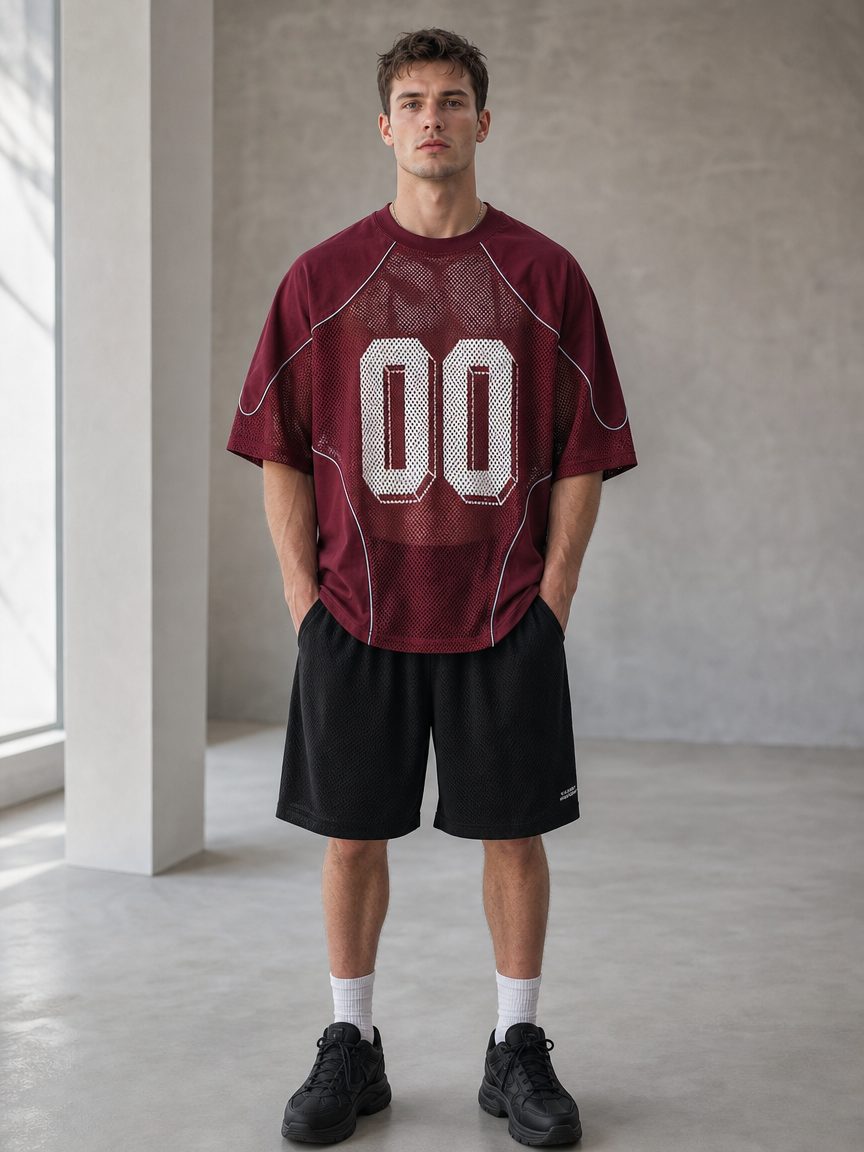
If weight and finish are still being decided, our explanation of how fabric weight affects a garment explains why print results change with the fabric underneath.
Hybrid Methods: Solving Specific Artwork Problems
Hybrid printing uses a printed base with a screen-printed element on top, and it exists because some artwork falls between the two methods.
A common case is a full-colour photographic background with a bold logo in a flat colour. The background is printed digitally, and the logo is screen printed on top for opacity and definition. Another is a discharge or base print applied first to flatten the fabric surface, followed by a screen print that then sits more evenly.
Hybrid approaches are more complex to plan, and they are worth it when the artwork demands it rather than as a default. The useful question is not which method is best but which combination reproduces your specific graphic on your specific fabric at a cost your margin supports.
What Has to Be Settled Before Print Goes to Bulk
Five decisions determine the outcome.
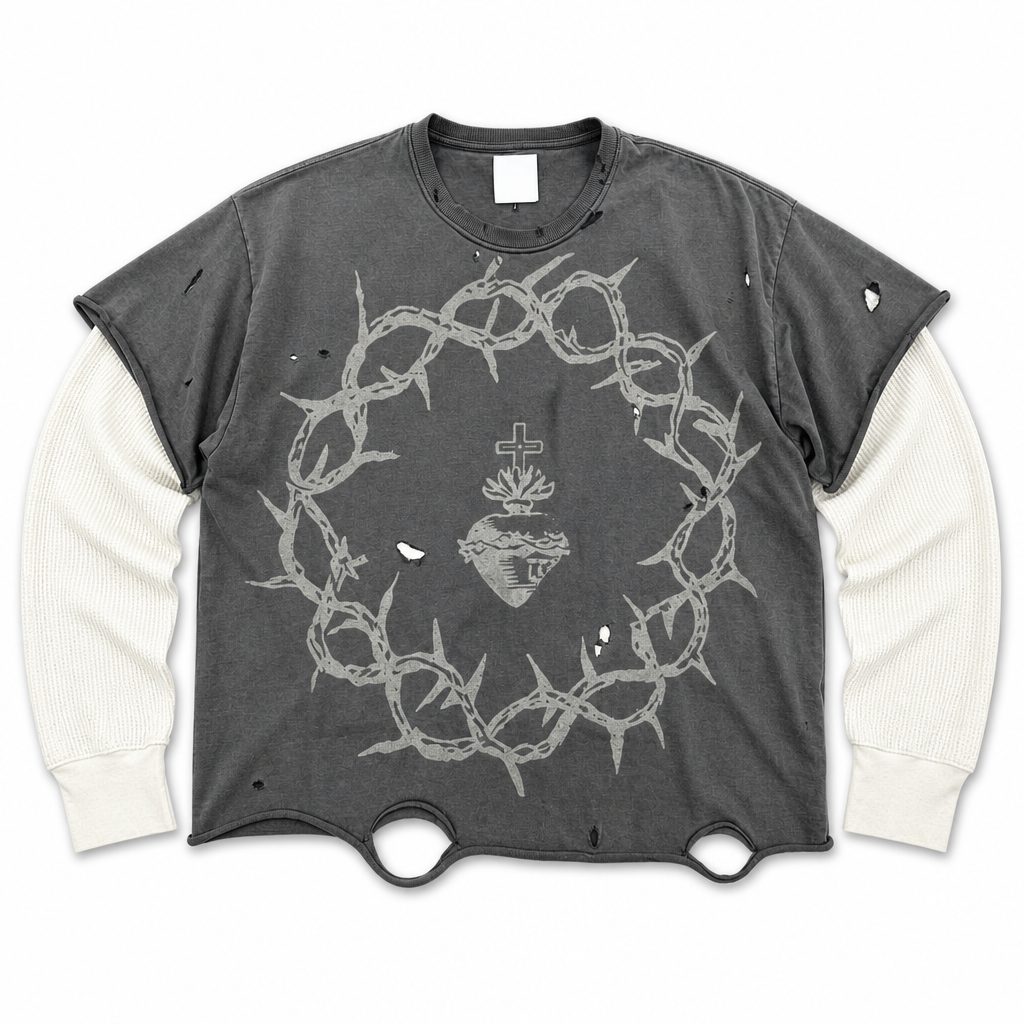
Choose the ink type and say who chose it. Plastisol inks sit on the surface and give strong opacity; water-based inks penetrate and feel softer; discharge inks remove dye rather than covering it and produce a vintage result that varies with the fabric. Each one ages differently.
Fix the mesh count with the artwork, because finer mesh carries more detail and less ink, and coarser mesh does the opposite. The choice follows from the graphic rather than from preference.
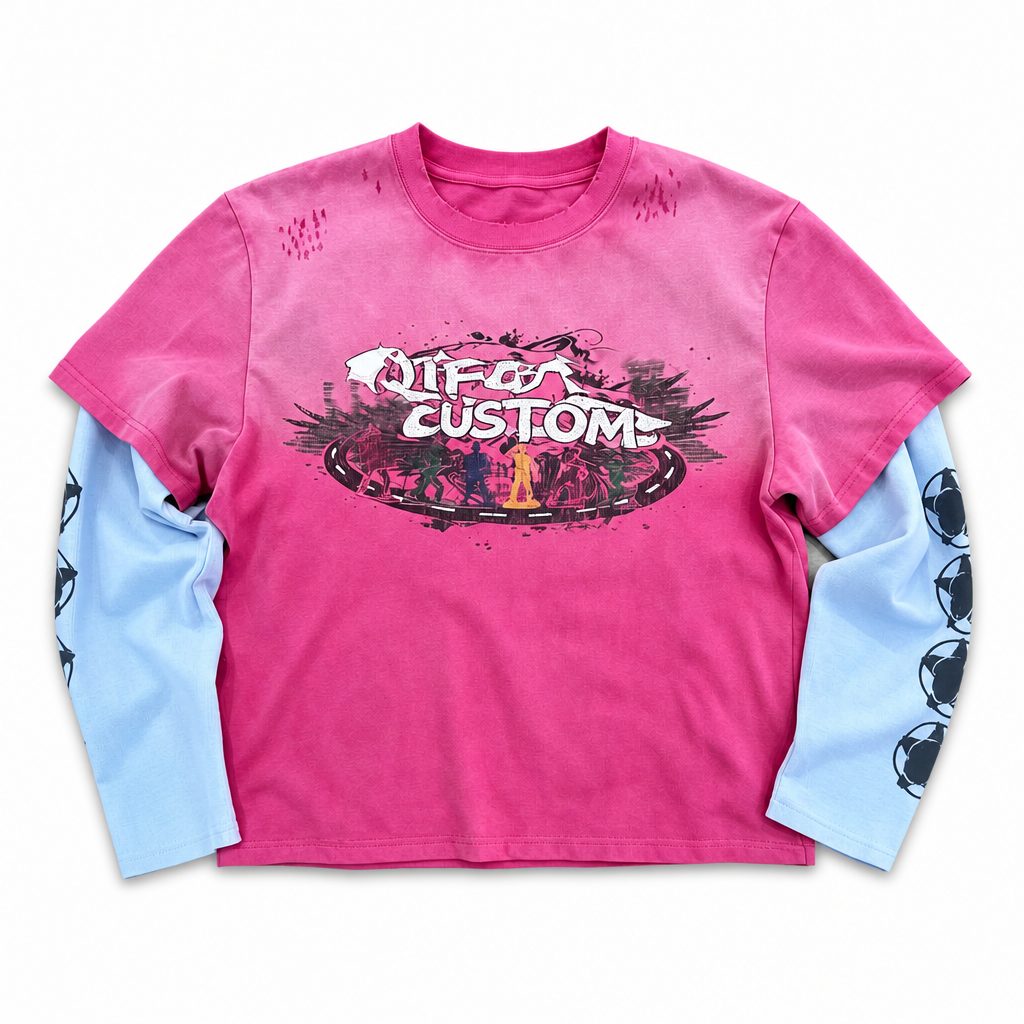
Confirm the curing process. Ink that is not cured correctly looks right on delivery and fails after a few washes, which is the most expensive kind of defect because it appears after your customer has the garment.
Agree the placement and the size in millimetres, on a stated garment size, since placement that is measured on a small sample does not scale to an oversized fit. Our guide to the sample to bulk timeline shows where print approval sits in the schedule.
Supply artwork in the right format, ideally vector, with a defined colour reference. A raster file designed for a screen rarely converts cleanly to a print size, and artwork problems are the most common cause of a delayed first order.
Frequently Asked Questions
Is screen printing or DTG better for streetwear?
Screen printing is usually better for large runs, bold graphics and brand colours that must match precisely. DTG suits detailed artwork, gradients and shorter runs where screen setup cost is hard to justify. Many brands use both across a range.
Does DTG wash out faster than screen printing?
Not by definition. Durability depends far more on ink choice, fabric and curing than on the method. A correctly cured DTG print lasts well; a badly cured screen print fails quickly. Confirm the curing process rather than assuming from the technique.
Why does my print look different on a dark shirt?
Dark garments usually need a white underbase to make colours visible, which adds thickness and changes the hand feel. Dark ink on light fabric involves fewer layers, so prints on light garments generally look flatter and feel lighter.
How many colours can screen printing handle?
Technically many, but each colour adds a screen and setup cost. Complex multi-colour work is often better served by a hybrid approach or by DTG, depending on the run length and how precise the colours need to be.
What file format should artwork be supplied in?
Vector artwork is preferred because it scales without losing edges. Where only raster art exists, supply it at a resolution and size suitable for the final print dimension, along with a colour reference, so the print can be matched as closely as the method allows.
Can a print method change the minimum order quantity?
The counted minimum does not change: the standard remains 100 pieces per style, per color. The print method does change setup cost, which affects the price curve of a small run more than the minimum itself.
Send us your artwork and the fabric you plan to use, and we will confirm which method reproduces it best and what it changes about cost and timing. Contact our team with your styles and quantities and we will reply within one working day. Our fabrics and processes page shows how print selection connects to finishing.