
Printing, Embroidery and Washing Craft
Decoration and finishing are what customers see first, and they are also the steps most likely to behave differently from the reference. The fix is to test the technique on the actual fabric during sampling rather than after bulk cutting.
Printing
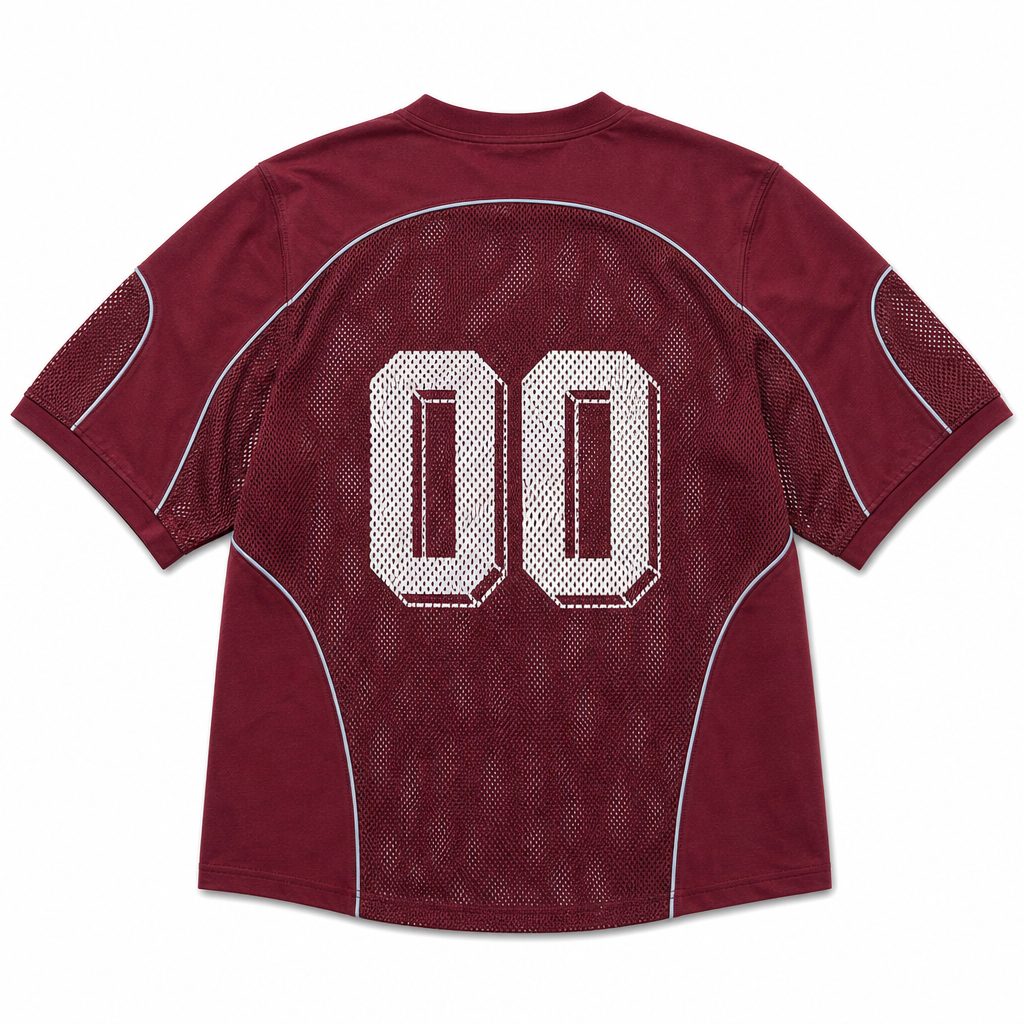
Screen printing remains the default for bold graphics on jersey because it holds colour well and is economical at volume. Direct-to-garment suits photographic or short-run artwork where setup cost outweighs unit cost, and it is commonly used for sampling or small ranges.
Specialty effects such as puff, cracked and high-density prints change the surface of the garment. They are tested on the chosen fabric during development, because the same effect can look deliberate on a heavy fleece and thin on a lightweight jersey.
Embroidery
Embroidery holds shape on curved panels and on structured fabrics, which is why it is the standard choice for caps, chest marks on outerwear and heavier fleece. Backing and digitising are what keep stitch quality consistent rather than the design alone.
On heavyweight hoodies the risk is puckering, which comes from tension and backing rather than from the artwork. Testing the digitised file on the actual fleece during sampling is the cheapest way to avoid it.
Washing and Finishing
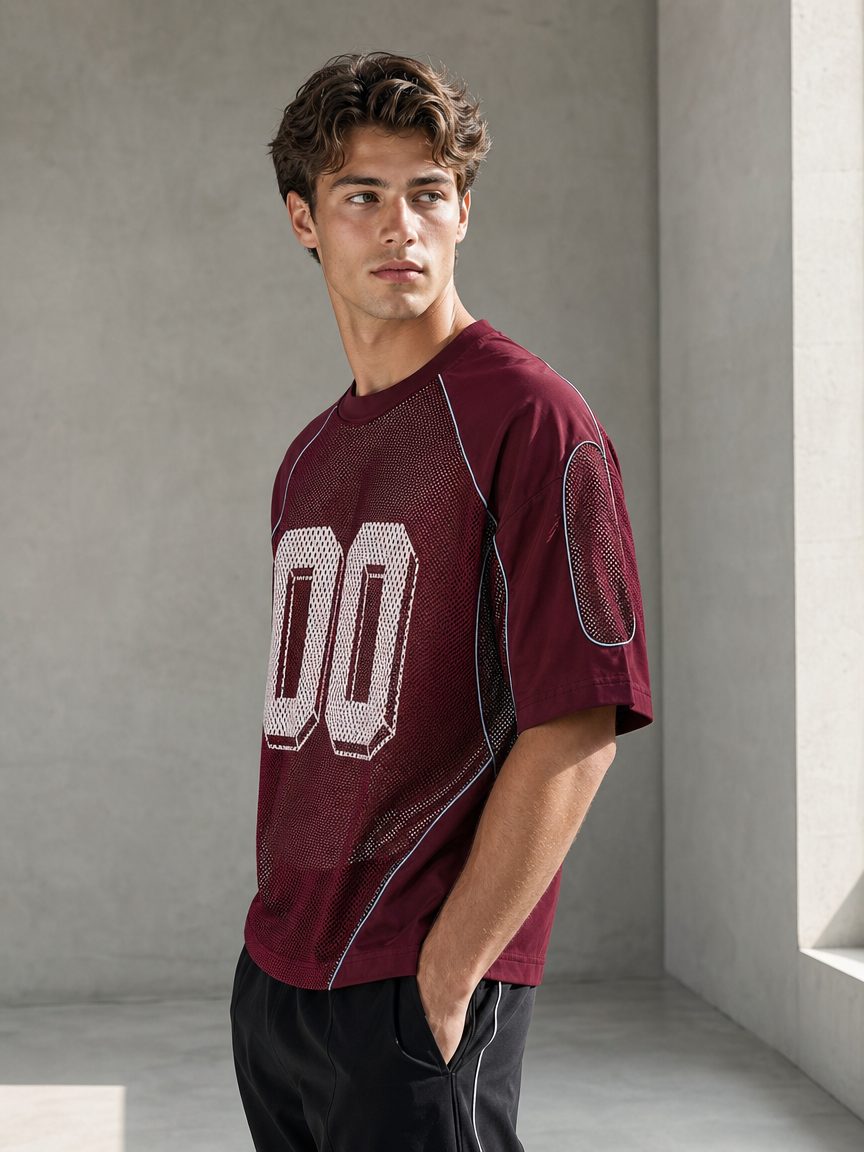
Acid wash, enzyme wash, snow wash, garment dye and hand distressing each change the hand feel and the shade of a garment. Every wash step adds a development round, because the same recipe behaves differently across fabric weights and dye lots.
Wash development happens at sampling. That is where the effect is approved on real fabric, and where the recipe is recorded so a reorder can match it later.
Planning Decorated Styles
Each print colour, embroidery placement and wash step is set up separately, so the number of techniques is the main driver of lead time on a decorated style. Consolidating placements often shortens a schedule more than changing supplier would.
Send the artwork and the fabric direction and we will confirm which technique suits the price point and the surface you are working with.
Minimums and Timelines
Our standard minimum is 100 pieces per style, per color, with sizes mixable inside one colourway and each colour treated as its own order. Sampling typically takes around two weeks and is quoted separately and upfront; it may be credited against the bulk order only where the bulk quantity is large enough.
Bulk production typically takes three to four weeks after the sample is approved, and reorders carry the same minimum. Shipping by sea, air or land is quoted as its own line, so the transit cost is visible before the goods are finished.
About INFULLSAIL
INFULLSAIL is an OEM and ODM apparel manufacturer based in Dongguan, China, with more than 20 years of garment production experience. We reply to inquiries within one working day.
Talk to Us About Your Range
Before you specify a finish or a size curve, our guides on the how the 100-piece minimum works and the manufacturer vetting checklist cover the questions worth settling first. You can see completed work in our streetwear range, or contact our team with your brief, quantities and target dates.