
We focus on developing retro workwear, streetwear, and natural fabric products. We excel at the overall realization of fabrics, washing, and pattern making, providing global brands with stable and stylish manufacturing solutions.
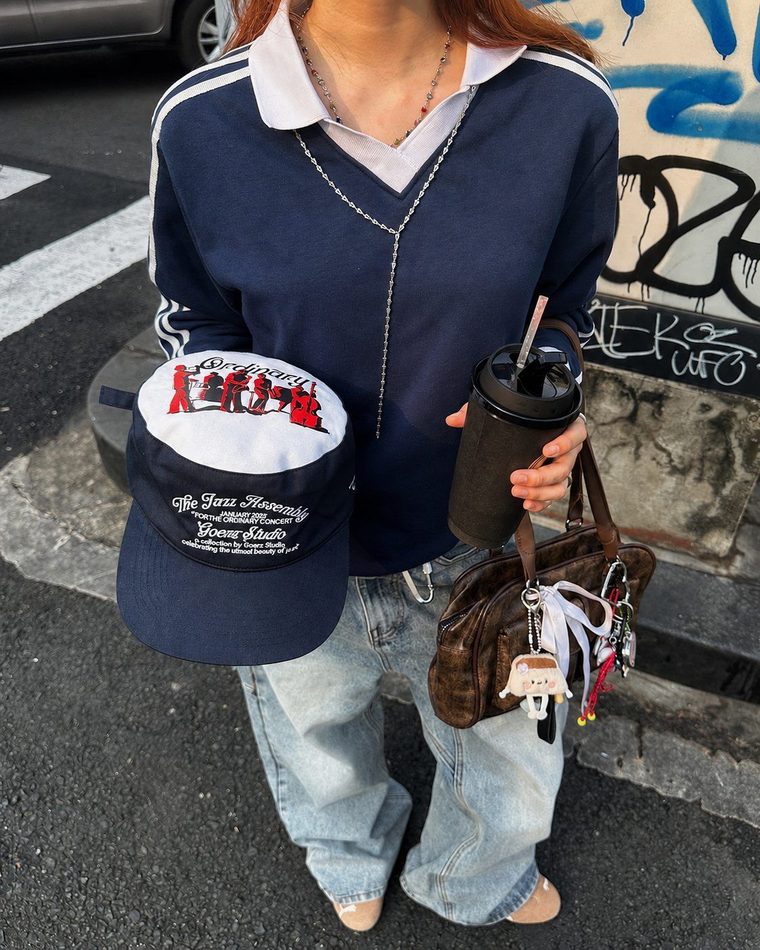 TopsTees · Hoodies · Jackets
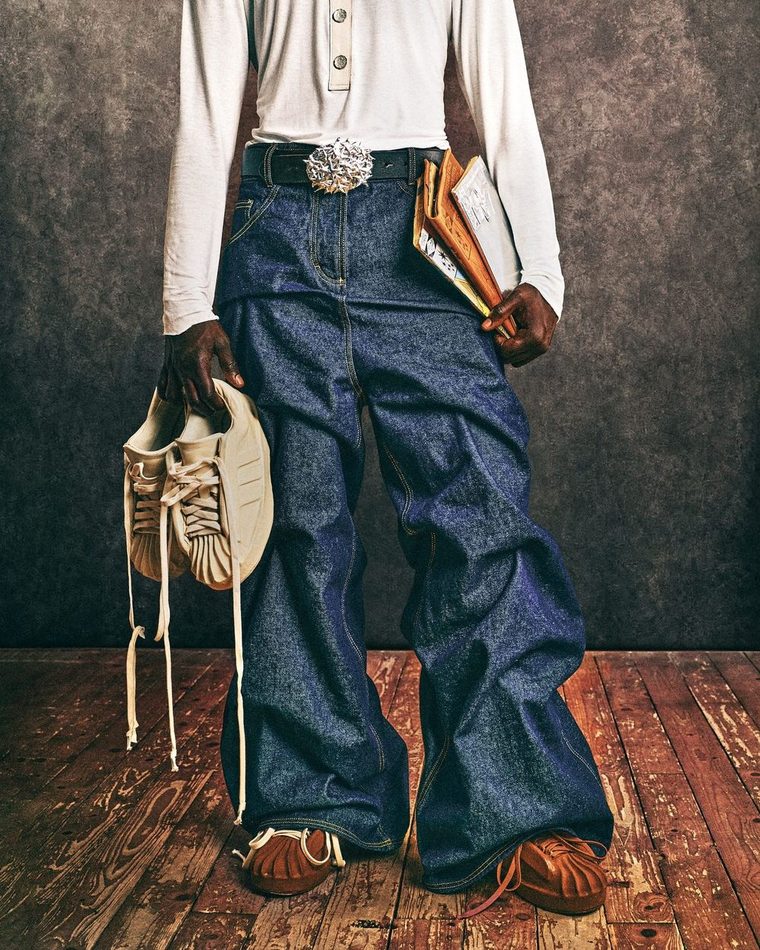 BottomsJeans · Cargo · Joggers
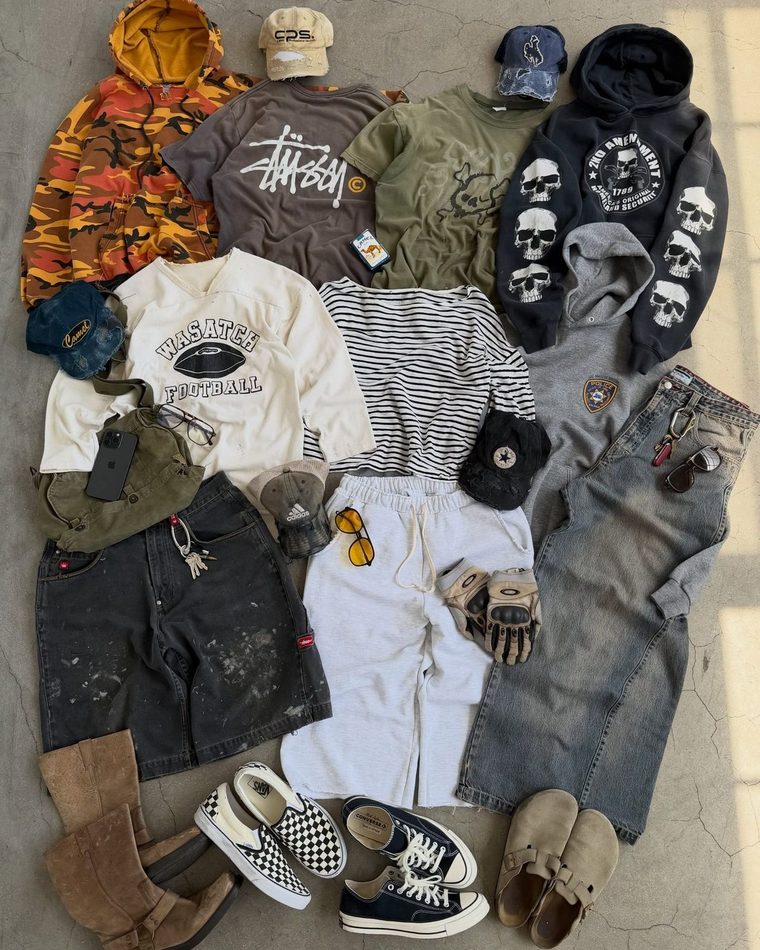 AccessoriesCaps · Bags · Socks
Start here
One factory, from fabric to finished garment.
Retro workwear, streetwear and natural fabrics, produced in Dongguan with in-house washing and pattern making.
Send your tech pack All styles
What is the MOQ for streetwear apparel?
100 pieces per style, per colour. What decides whether a first order works is not the 100 — it is how many pieces land in each size, and that number is 25 if you run four sizes.
Three order shapes, and what each one actually costs you
| Order shape | What you get | What it costs you |
|---|---|---|
| 1 style × 1 colour × 4 sizes = 100 | A clean size curve, 25 per size | No colour test — if the colour misses, all 100 are dead stock |
| 1 style × 2 colours × 4 sizes = 200 | Two colourways, two dye lots | Double the capital, and the two lots never match perfectly |
| 2 styles × 1 colour × 4 sizes = 200 | A silhouette test | Two patterns and two sampling rounds — development paid twice |
| 1 style × 2 colours × 2 sizes = 100 | Looks like a range | 50 per colour, 50 per size — neither a colour test nor a size curve |
25 per size is usually the wrong curve
Equal allocation is a production convenience, not a selling plan. Stores buy a curve: L and XL heavier in the US, M and L heavier in the EU.
Keep at least 15 pieces per size. Below that, one size sells out in week one and cannot be restocked inside the season, because the reorder minimum is still 100.
The two things that kill a first order
| Failure | Why it happens | How to prevent it |
|---|---|---|
| Colour looks different from the sample | The sample is dyed in a small pot; bulk is a 100+ piece lot — same recipe, different depth | Approve the sample and keep it as the written reference standard, so bulk is matched to it rather than to a photo |
| One size left over at the end | Equal allocation bet against your market's real curve | Bias the curve before cutting — the cut decides it, not the reorder |
Rule of thumbYou cannot split a 100-piece minimum to fake a range. One colour, a biased curve, and let the second colour be the reorder decision.
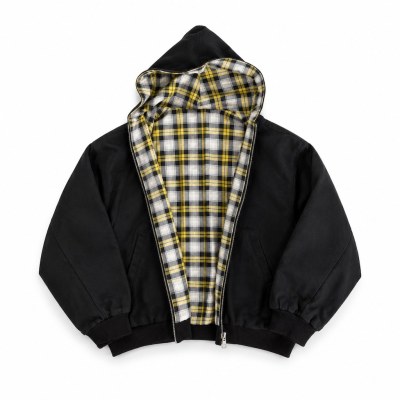
Are you looking for a reliable manufacturer?
We can quickly provide customers with market analysis, technical support and customized services.We focus on developing retro workwear, streetwear, and natural fabric products. We excel at the overall realization of fabrics, washing, and pattern making, providing global brands with stable and stylish manufacturing solutions.