
We focus on developing retro workwear, streetwear, and natural fabric products. We excel at the overall realization of fabrics, washing, and pattern making, providing global brands with stable and stylish manufacturing solutions.
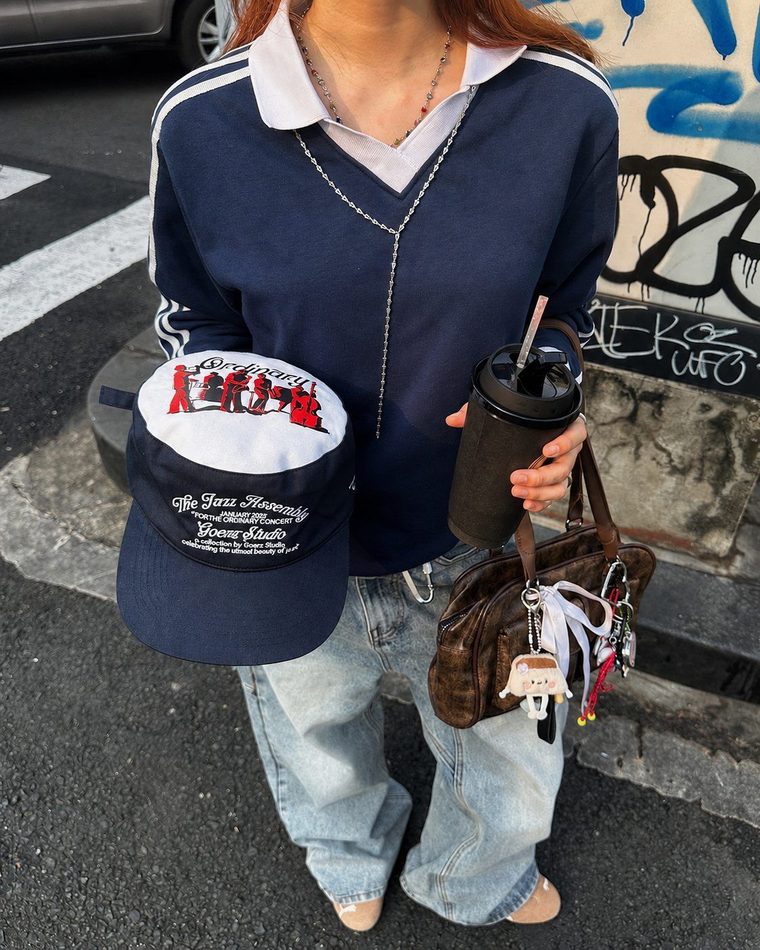 TopsTees · Hoodies · Jackets
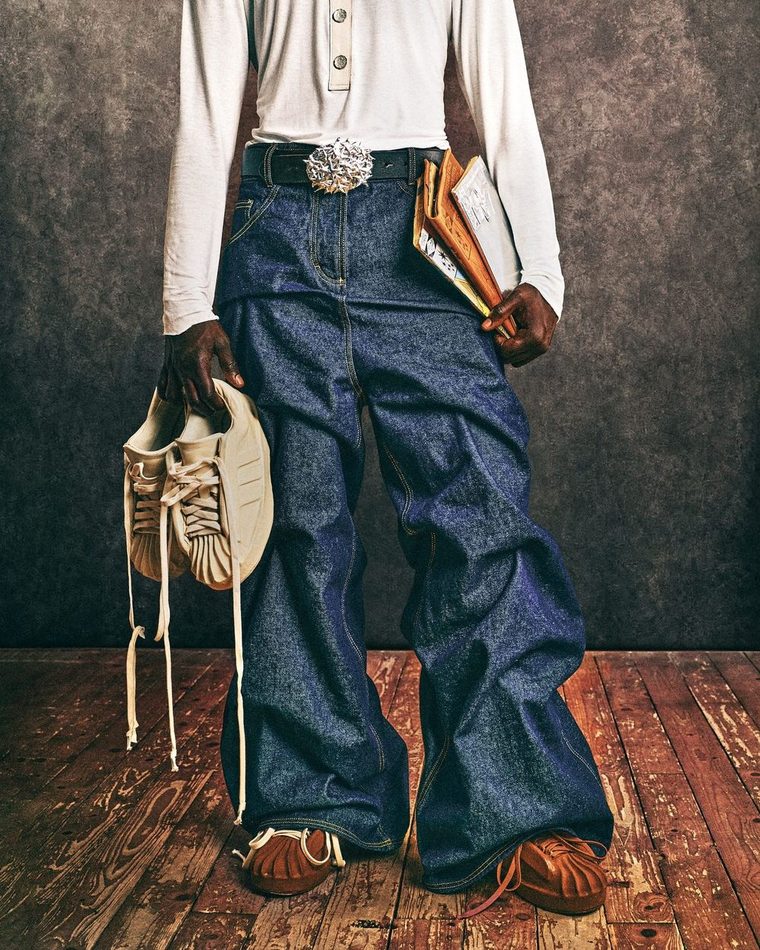 BottomsJeans · Cargo · Joggers
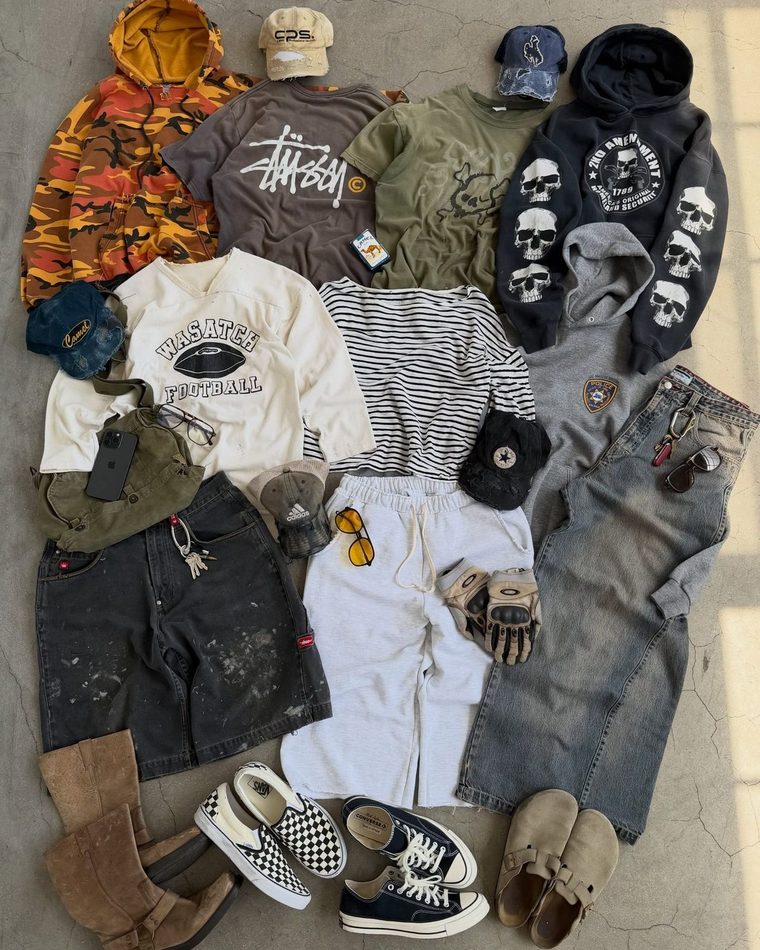 AccessoriesCaps · Bags · Socks
Start here
One factory, from fabric to finished garment.
Retro workwear, streetwear and natural fabrics, produced in Dongguan with in-house washing and pattern making.
Send your tech pack All styles
Home / All / Streetwear Manufacturing FAQ / How is the unit price of streetwear apparel calculated at different order volumes?
How is the unit price of streetwear apparel calculated at different order volumes?
How volume changes the unit price
Fixed costs fall fast, then stop falling. Variable costs never fall with volume — they only fall when the specification changes.
| Step | What you gain | What you don't |
|---|---|---|
| 1 → 100 pcs | Fixed cost spread across the run | Still the highest per-piece fixed load you will ever pay |
| 100 → 200 pcs | Fixed cost per piece roughly halves — the single best move available | Fabric and labour are unchanged |
| 200 → 400 pcs | Another halving of what is left, plus better fabric purchasing | The absolute saving is now small |
| 400 pcs + | Purchasing scale only | No further amortisation worth planning around |
| Fixed (moves with quantity) | Variable (moves with specification) |
|---|---|
| Pattern and grading, screen or embroidery set-up, sampling, packing preparation | Fabric, trims, cutting, sewing, washing, finishing |
- Ask for the fixed cost line separately — it is where the real difference between two quotes sits, and it is negotiable
- Never compare a 100-piece quote with a 300-piece quote as if it were factory efficiency
- Below roughly two washes or six print positions, cutting a specification item saves more per piece than any realistic volume increase
Rule of thumbWhen the budget is tight, change the specification. Increasing quantity only buys the fixed half.
Are you looking for a reliable manufacturer?
We can quickly provide customers with market analysis, technical support and customized services.We focus on developing retro workwear, streetwear, and natural fabric products. We excel at the overall realization of fabrics, washing, and pattern making, providing global brands with stable and stylish manufacturing solutions.